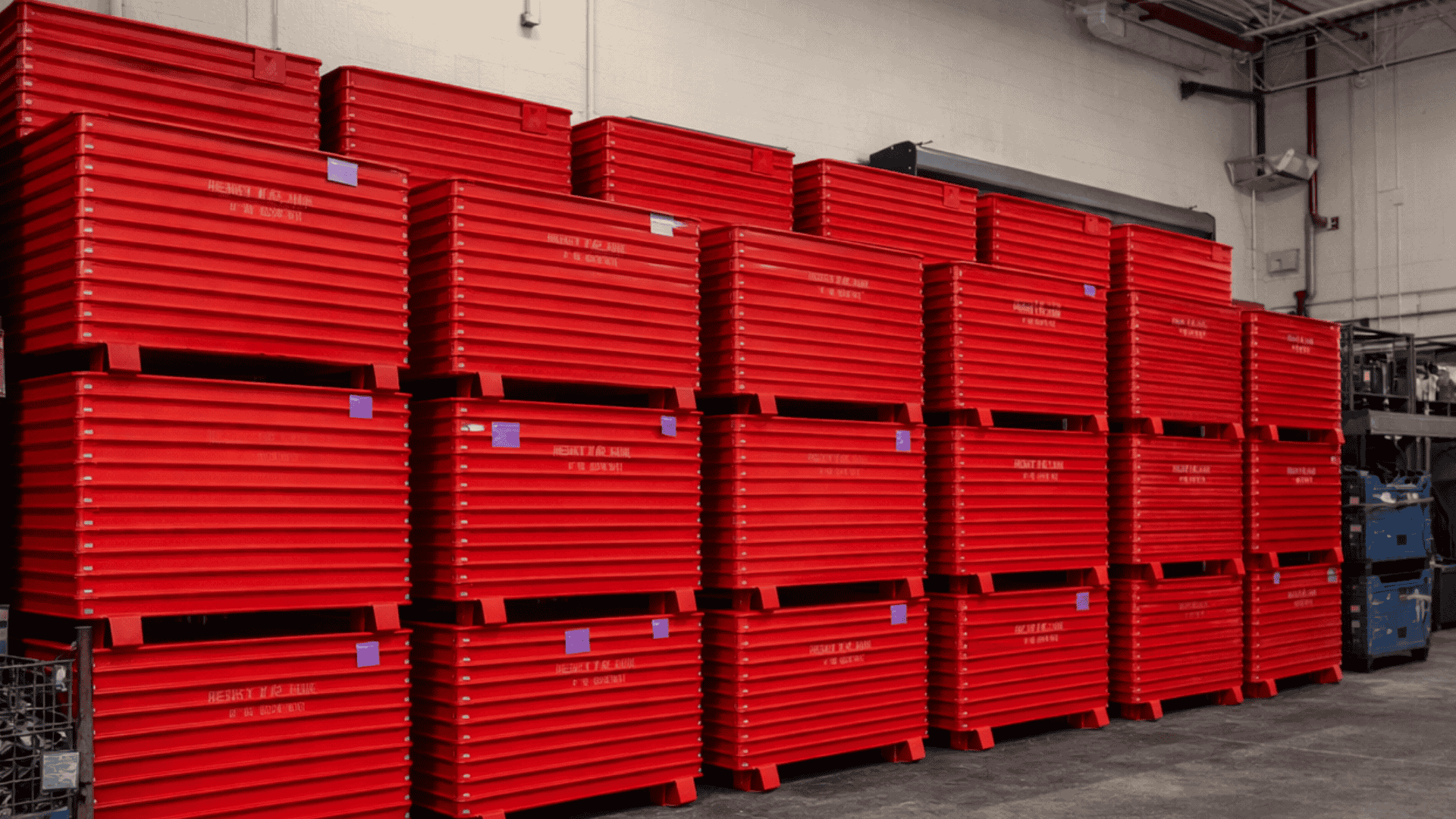
Industrial storage can be a constant struggle when handling heavy materials that need both durability and safety. How can you ensure your storage solutions withstand extreme conditions while cutting down on operational costs and minimizing waste?
For plant managers, procurement teams, and operations leaders, finding a reliable and sustainable storage solution is crucial. Steel containers offer the strength to handle heavy loads while protecting valuable materials, reducing the need for frequent replacements and costly maintenance.
Steel containers address these challenges by combining structural strength, controlled part containment, and long service life in one system, making them a practical path toward more sustainable industrial storage.
Quick look
Steel containers provide long-lasting durability and can be finished or coated for resistance to harsh industrial environments.
They are infinitely recyclable, contributing to a more sustainable, circular economy by reducing waste and plastic reliance.
Steel's corrosion resistance ensures the containers remain in service for years, offering significant cost savings compared to other materials.
Customizable sizes and designs make steel containers versatile, catering to industries like automotive, metalworking, and logistics.
Space optimization is achieved with stackable and modular designs, improving warehouse organization and accessibility.
What Makes Steel Containers a Sustainable Storage Solution?
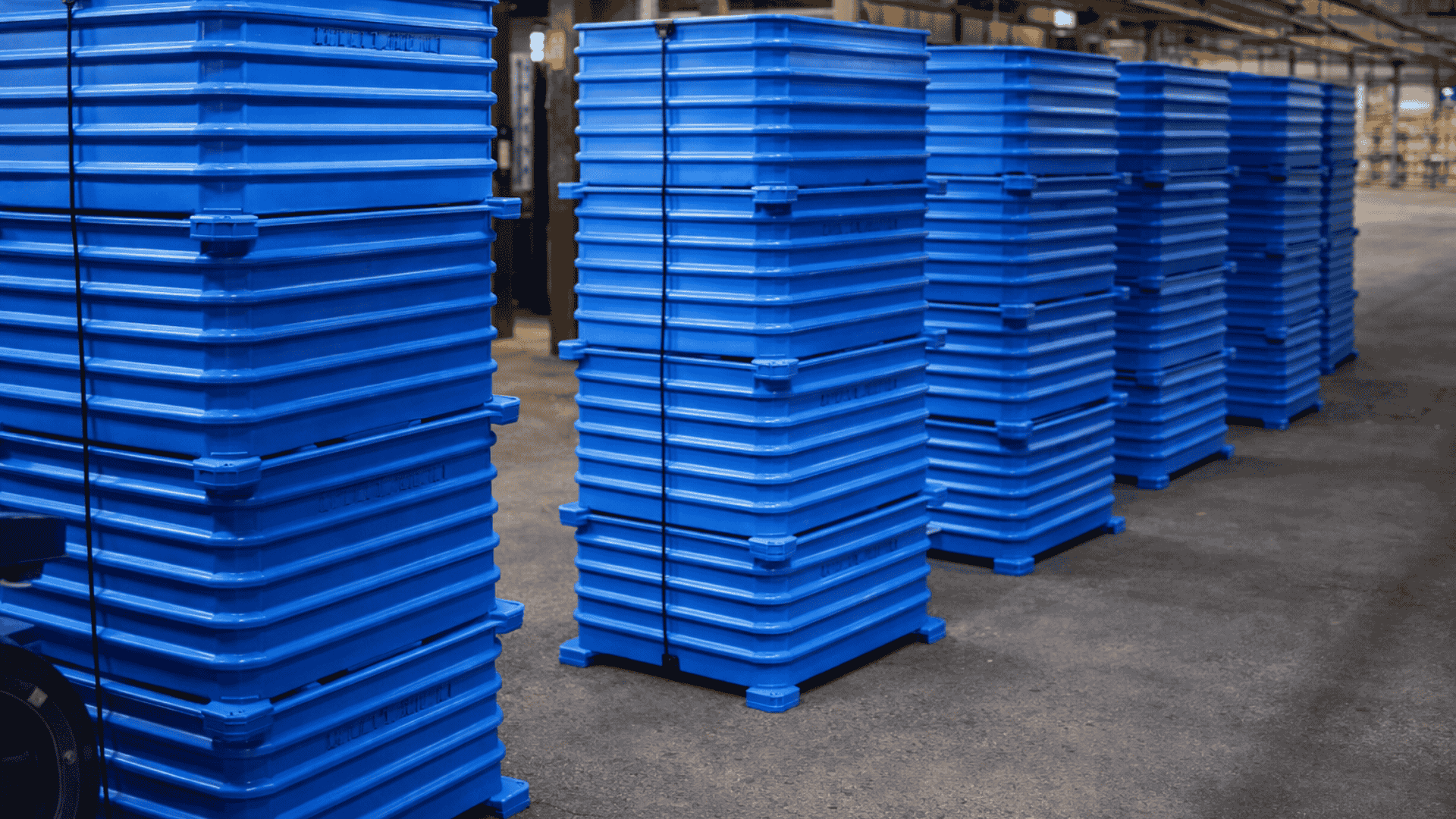
Steel containers stand out as a sustainable choice due to their durability, recyclability, and low environmental impact. These containers offer long-lasting solutions that reduce the need for replacements, helping businesses meet both storage and sustainability goals.
Here's why steel containers are the preferred choice for industries focused on sustainability:
Durability: Steel containers endure heavy-duty use, reducing the frequency of replacements and minimizing waste.
Recyclability: Steel is 100% recyclable, contributing to a circular economy and reducing landfill waste.
Energy Efficiency: While steel production is energy intensive, steel containers offset this impact through long service life, repeated reuse, and full recyclability.
Long Service Life: Steel's resistance to weathering and corrosion ensures containers last for years, reducing the need for single-use plastic or frequent replacements.
Reduced Plastic Usage: By opting for steel containers, companies reduce reliance on plastic storage options, which take longer to break down and are less eco-friendly.
These features make steel containers an eco-conscious choice for industries seeking effective and sustainable storage solutions.
Now, let's explore how these benefits translate into tangible improvements for your operations.
Key Benefits of Steel Containers for Industrial Storage
Steel containers offer more than just a storage solution; they provide businesses with enhanced durability, security, and efficiency. Their ability to withstand extreme conditions makes them ideal for industries handling heavy-duty materials.
Here are the key benefits steel containers bring to your industrial storage operations:
Optimized for Heavy and Hazardous Materials: Steel containers are Ideal for storing heavy metal parts, castings, forgings, and dense industrial components.
Improved Workflow Efficiency: With modular, stackable designs, steel containers allow for better organization in warehouses, reducing time spent locating and accessing items.
Maintenance-Free: Steel containers require minimal maintenance compared to plastic or wood and can be repaired rather than replaced.
Pest-Proof and Contamination-Free: Steel containers provide solid containment that limits debris ingress and supports clean part handling.
Customizable to Fit Needs: Steel containers can be custom-engineered to meet specific storage requirements, whether it's for size, design, or integration with automation systems.
These benefits offer more than just efficient storage; they improve the overall operation, safety, and cost-effectiveness of your business.
Next, let's take a look at how steel containers are applied across various industries.
Applications of Steel Storage Containers in Different Industries
Steel storage containers are used across multiple industries for their robustness and ability to withstand harsh environments. From manufacturing to logistics, their versatility makes them a reliable choice for various industrial applications.
Here's a look at how steel containers are applied in different industries:
Industry | Application |
Metalworking & Foundries | Storing and handling hot castings, heavy metal parts, and fragile components with durability. |
Automotive Manufacturing | Safely storing automotive parts and components, ensuring efficient movement across production lines. |
Logistics & Warehousing | Used for bulk storage, shipment, and transport of goods, ensuring security and space optimization. |
Construction & Engineering | Storing tools, construction materials, and machinery with protection from weather and contamination. |
Metalworking & Heavy Manufacturing | Handling hot castings, forgings, stampings, fasteners, and scrap in demanding industrial environments. |
These industries rely on steel containers to improve safety, efficiency, and the quality of their operations.
Now, let's look into how steel containers not only improve storage but also improve operational efficiency.
How Steel Containers Improve Efficiency in Industrial Storage
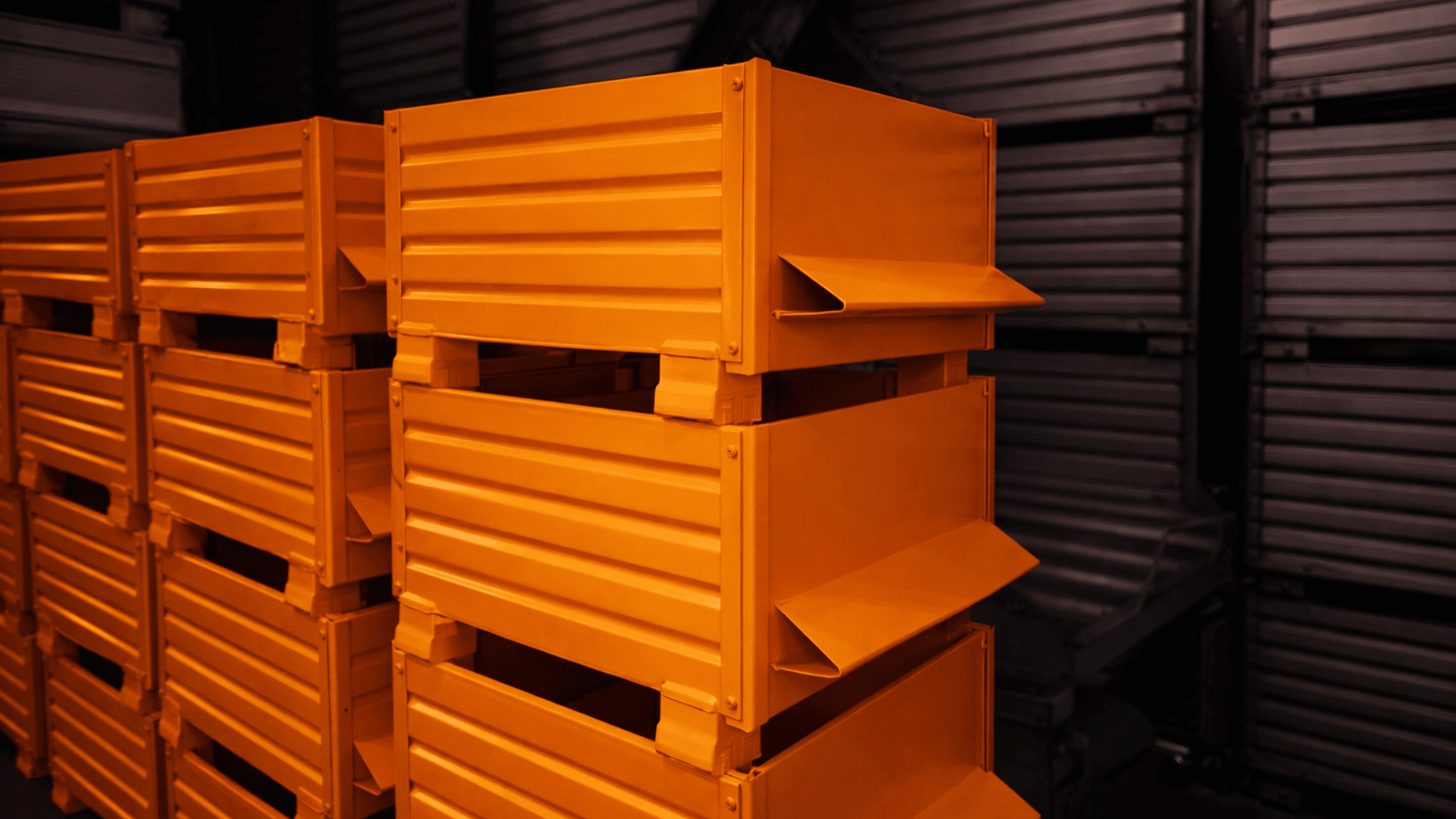
Efficiency in industrial environments isn’t just about moving faster; it’s about maximizing space, minimizing errors, and reducing long-term costs. Steel containers are not merely storage vessels, they are operational assets that directly impact your facility's throughput and bottom line.
By integrating steel storage solutions, facilities often see measurable improvements in key operational metrics.
Maximizing Vertical Storage Density
Steel’s superior load-bearing capacity allows facilities to reclaim up to 20% of warehouse volume by safely stacking heavy loads vertically. This effectively utilizes "air rights" that weaker plastic or corrugated alternatives cannot support without collapsing.
Impact: Reduces "honeycombing" (wasted shelf space) and optimizes storage density without expanding the facility footprint.
Eliminating Compression Damage
Rigid steel construction eradicates the compression damage common in stacking, significantly lowering scrap rates for heavy or precision components. Unlike wood or plastic, steel does not deflect under weight, ensuring the bottom load remains as intact as the top.
Impact: Ensures sensitive parts (like castings or automotive assemblies) arrive production-ready, minimizing costly rework or returns.
Lowering Total Cost of Ownership (TCO)
With a proven service life spanning 15 to 20 years, steel containers break the expensive cycle of recurring procurement. This longevity offers a significantly better ROI compared to plastic bins that often degrade or crack after short-term heavy use.
Impact: Frees up capital previously tied to frequent container replenishment and lowers administrative procurement burdens.
Streamlining Automation and Handling
Steel maintains strict dimensional stability under load, preventing the warping that causes jams in Automated Storage and Retrieval Systems (AS/RS). This consistency ensures reliable engagement for robotics and forklifts, reducing handling times.
Impact: Accelerates throughput velocity and prevents downtime caused by equipment faults or manual handling adjustments.
Reducing Fire Risk and Liability
Unlike plastic or wood, steel is non-combustible, significantly reducing the facility's overall fire load. This makes steel the preferred choice for insurance compliance when storing hazardous materials or operating in high-heat environments like foundries.
Impact: Mitigates catastrophic risk and supports safety standards by maintaining a non-flammable, containment-ready storage zone.
Let’s now explore why choosing steel is not just an operational advantage but also a sustainable choice for the future.
Environmental Impact: Why Steel is a Sustainable Choice
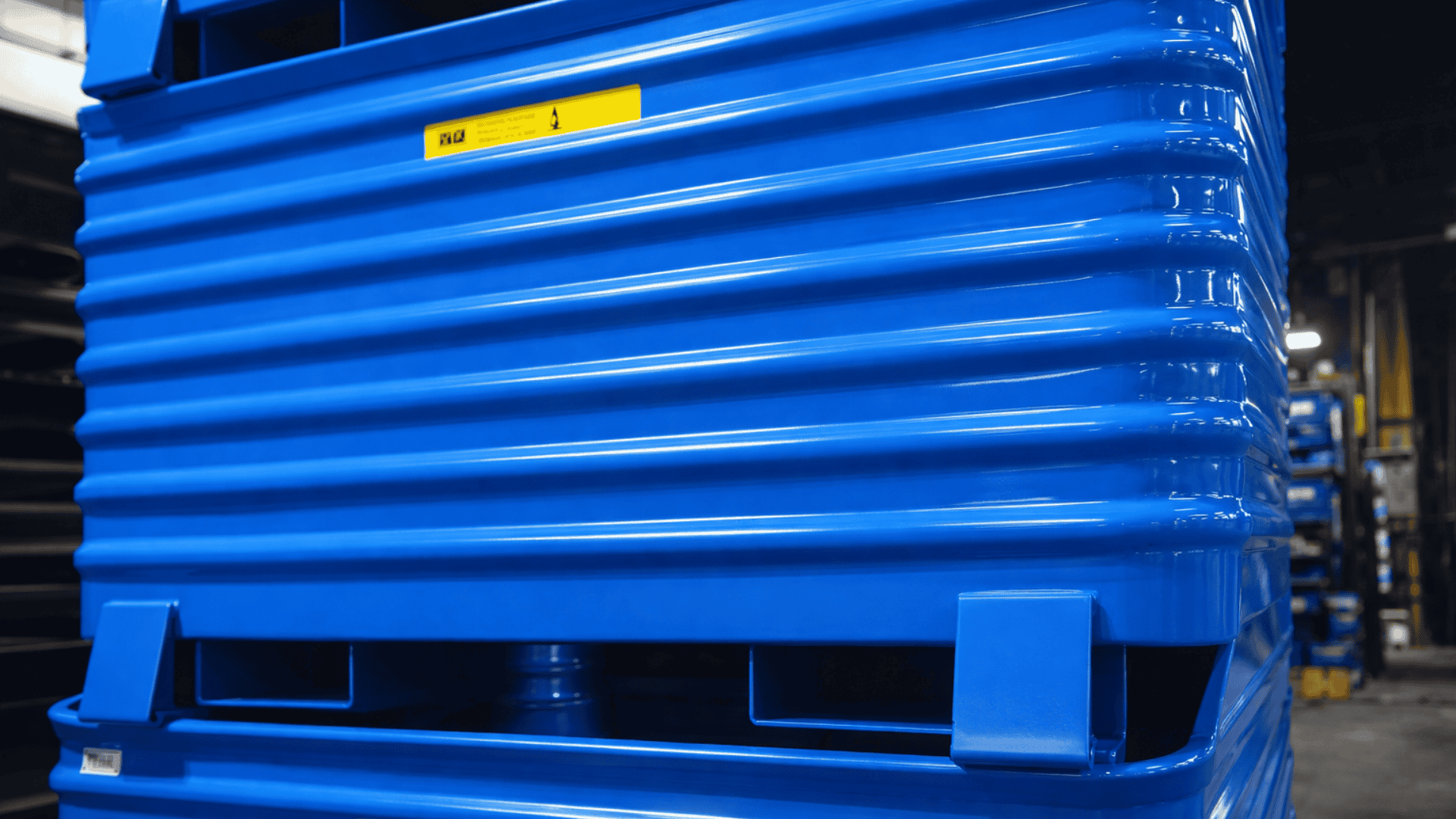
Steel containers aren’t just durable and efficient, they also make a significant positive impact on the environment. As industries strive for greener solutions, steel stands out as one of the most sustainable materials for industrial storage. Here's why:
100% Recyclability: Steel is infinitely recyclable without losing quality. This reduces the demand for raw materials and energy, supporting a circular economy and reducing waste in landfills.
Lower Carbon Footprint: Steel containers reduce lifecycle emissions by minimizing replacement frequency and supporting full recyclability at the end of service life. Steel's long lifespan means fewer resources are used for replacements, further cutting down emissions over time.
Energy-Efficient Manufacturing: Steel manufacturing is more energy-efficient compared to plastic or composite materials. Recycling scrap steel requires up to 74% less energy compared to producing steel from raw materials, making it a more sustainable choice for industries.
Reduction in Plastic Usage: Choosing steel containers reduces reliance on single-use plastics. This helps prevent plastic waste, which takes hundreds of years to decompose, from polluting landfills and oceans.
Long-Term Sustainability: Steel’s long service life means it doesn’t need to be replaced as often as other materials, reducing the environmental burden associated with manufacturing, shipping, and disposal of short-lived products.
Steel containers provide a sustainable storage solution that not only benefits your business but also the planet.
Now, let’s take a look at how Powell Systems can help integrate these sustainable storage solutions into your operations.
How Can Powell Systems Improve Your Industrial Storage Needs?
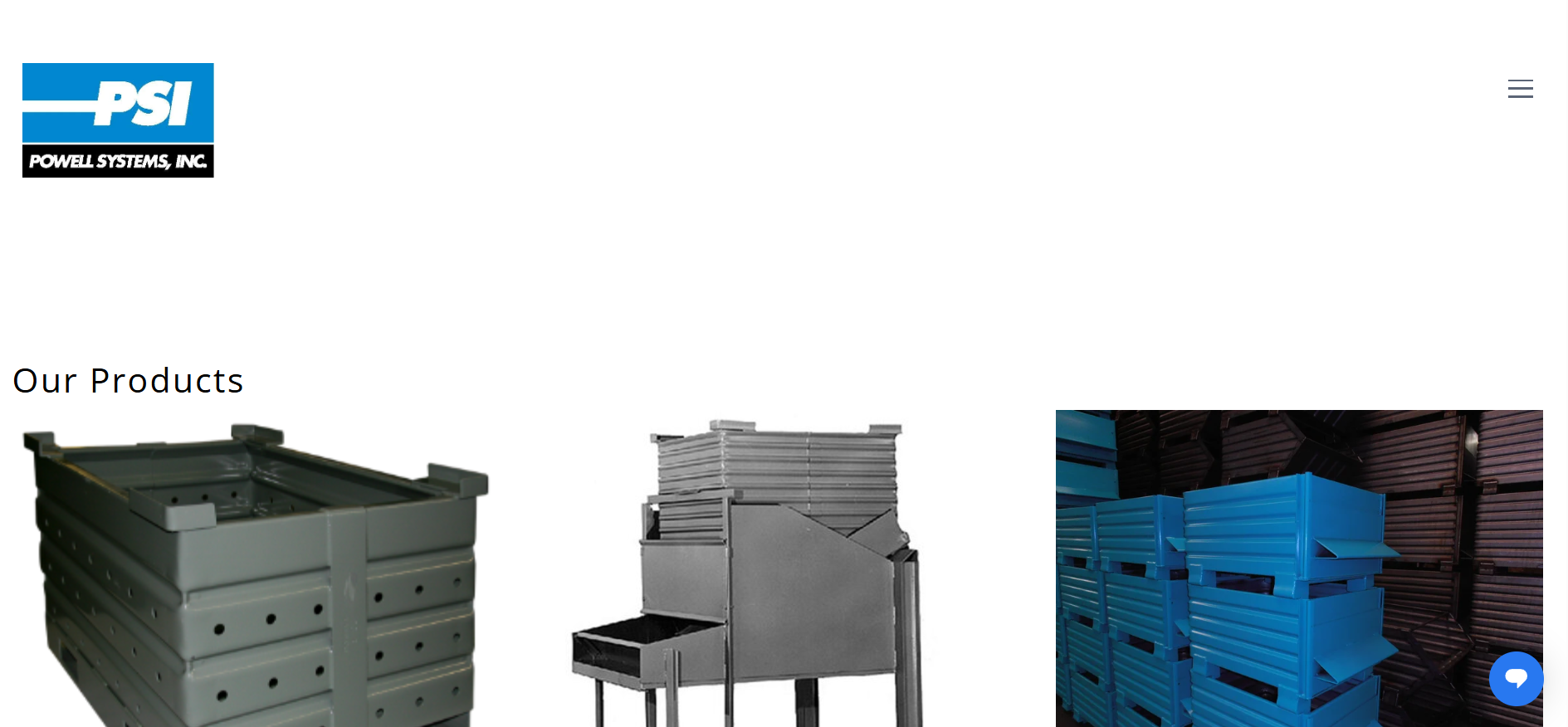
At Powell Systems, we have over 100 years of expertise providing customized steel container solutions. Serving industries across the Midwest United States, including Indiana, Michigan, Ohio, and Wisconsin, we specialize in durable and efficient storage solutions designed to meet your unique industrial needs.
What We Offer:
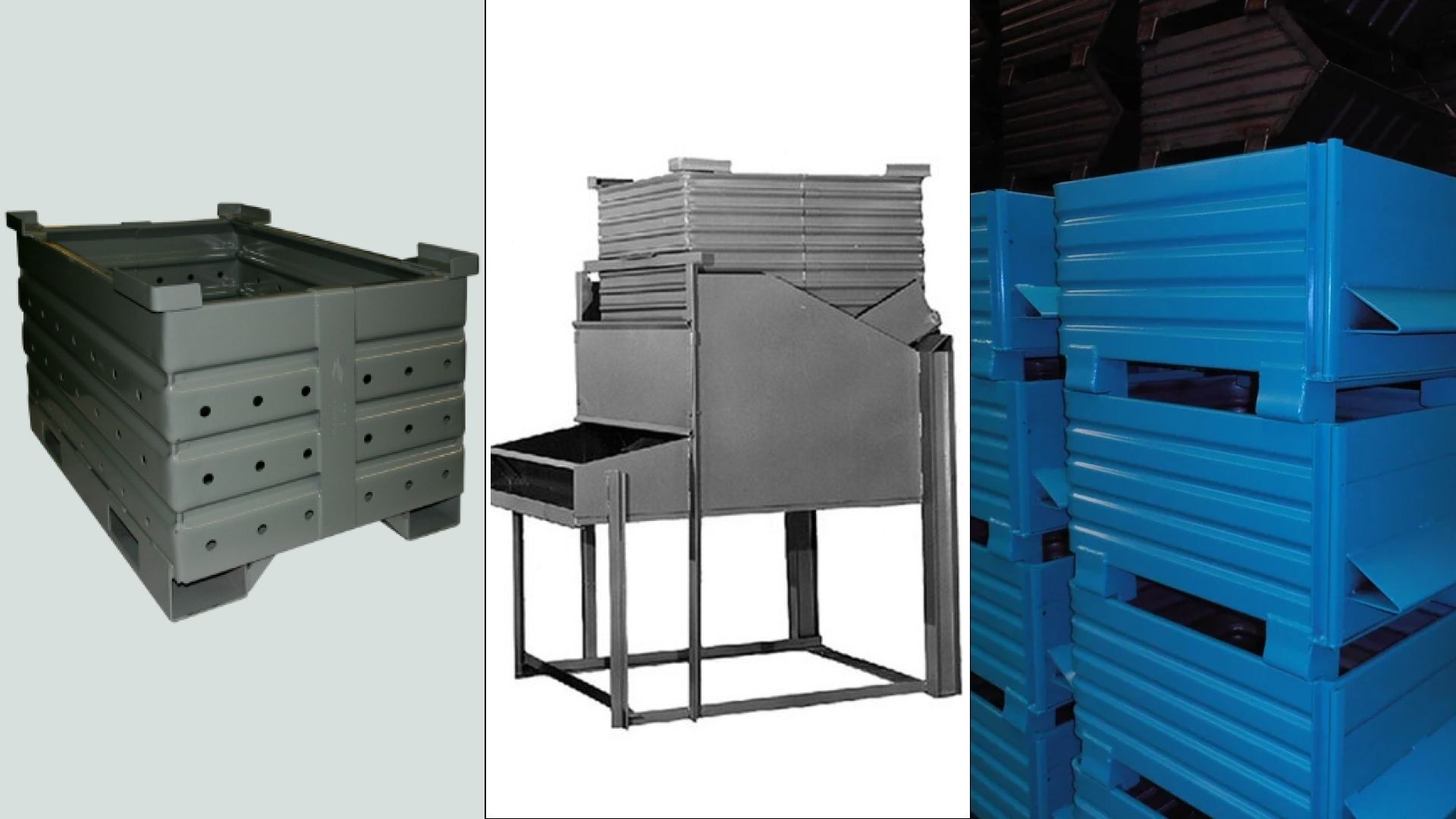
Hot & Heavy "The Brute": Heavy-duty containers designed to handle extremely hot and heavy industrial parts.
Flowmatic® Containers: Patented gravity-fed design for smooth material movement and reduced manual handling.
B3 "Smooth Sided" Containers: Contamination-free containers to ensure safe storage of small, precision parts.
Custom Container Solutions: Customized designs to meet specific storage and handling requirements for any industry.
Drop Bottom and Roll Over Boxes: Efficient, easy-to-use containers for fast unloading and controlled tipping.
By choosing Powell Systems, you'll benefit from our expertise in providing sustainable, long-lasting storage solutions that improve efficiency and safety.
Wrapping Up
Steel containers offer a sustainable and efficient solution for industrial storage. Their durability, space optimization, and eco-friendly design make them an essential choice for businesses looking to improve material handling and reduce waste.
At Powell Systems, we provide custom steel container solutions designed to meet your unique industrial needs. Our products are built for durability, safety, and operational efficiency.
Get a quote today and discover how Powell Systems can help optimize your industrial storage solutions for better performance and sustainability.
FAQs
Can steel containers be used for outdoor storage?
Yes, steel containers are perfect for outdoor storage due to their resistance to weather elements like rain, snow, and UV damage. They provide reliable protection for stored materials.
How long do steel containers typically last?
Steel containers can remain in service for many years, often decades, depending on load severity, heat exposure, handling frequency, and maintenance practices.
Are steel containers more cost-effective than plastic containers?
While the initial investment for steel containers is higher, their durability and longer lifespan make them a more cost-effective solution over time, reducing the need for frequent replacements.
Can steel containers be customized to fit specific storage needs?
Absolutely! Steel containers are highly customizable, allowing you to modify size, design, and functionality to suit the unique requirements of your industry.
Do steel containers require special maintenance?
Steel containers are low-maintenance. Regular cleaning and occasional rust prevention treatment are enough to keep them in top condition, ensuring long-term usability.