
Handling raw materials in steel plants is a complex and demanding task. Inefficiencies in material flow, contamination, and safety risks can quickly escalate into significant production delays and rising operational costs. Are your current material handling systems optimized for maximum efficiency?
In New York State, warehouse injuries increased by 30% from 2022 to 2023, with over 11 injuries for every 100 full-time workers. This means that in just one year, more than one in nine workers were injured, highlighting the urgent need for safer, more efficient material handling systems.
Optimizing raw material handling through efficient solutions, like steel containers, is the key to overcoming these challenges. This article explores how upgrading your material handling processes with durable containers can improve safety, increase efficiency, and reduce long-term costs.
Quick look
Steel plants face challenges in material handling, including inefficiencies, contamination risks, and safety hazards.
Steel containers are designed to withstand harsh conditions, improve workflow, and reduce downtime.
By using steel containers, plants can optimize storage, increase safety, and enhance productivity.
Key benefits include improved material flow, reduced workplace injuries, and long-term cost savings.
Implementing best practices for container selection and maintenance ensures maximum efficiency and longevity.
Key Challenges in Raw Material Handling at Steel Plants
Steel plants face numerous obstacles when it comes to raw material handling, often leading to inefficiencies and increased costs. From managing a wide range of materials to ensuring safety and cleanliness, the challenges are multifaceted.
Here are the key challenges steel plants commonly face in raw material handling:
Material Contamination: Inadequate container design or poor handling practices can result in contamination, especially when dealing with precision parts or scrap metal.
Safety Risks: Improper handling of heavy, hot, and hazardous materials can increase the likelihood of worker injuries, from manual lifting to unsafe material dumping.
Inefficient Workflow: Outdated material handling systems slow down production, cause bottlenecks, and lead to high labor costs by requiring manual intervention.
Limited Storage Space: Poor container design or ineffective stacking strategies result in suboptimal use of floor space, limiting capacity for incoming materials.
Inconsistent Quality Control: Without proper material handling, raw materials are more likely to become damaged, mixed between lots, or contaminated, increasing scrap rates and rework downstream.
High Operational Costs: Inefficiencies in handling systems lead to longer processing times and increased energy consumption, raising overall plant expenses.
These challenges not only affect productivity but also lead to higher costs and safety concerns. To effectively address these issues, it’s crucial to understand how steel containers can play a transformative role in improving raw material handling in steel plants.
Let’s explore how steel containers are designed to overcome these obstacles and optimize operations.
Understanding Steel Containers and Their Role in Material Handling
Steel containers are durable, heavy-duty containers designed for the safe and efficient transportation and storage of raw materials in industrial environments. These containers are specifically built to withstand harsh conditions, including extreme temperatures, heavy weights, and rough handling.
Made primarily of high-grade steel, these containers feature reinforced walls, smooth interiors, and high load-bearing capacities. The steel construction ensures strength, durability, and resistance to wear and tear, making them ideal for steel plants and other heavy-duty manufacturing settings.
Role of Steel Containers in Material Handling:
Improved Durability: Capable of handling heavy, hot, and abrasive materials without damage.
Contamination Prevention: Smooth surfaces and robust design keep raw materials clean and free from external contaminants.
Safe Handling: Their design ensures safe stacking, easy unloading, and prevention of accidents during transport.
Increased Efficiency: Steel containers reduce unnecessary rehandling and manual intervention by keeping materials contained, accessible, and compatible with forklifts and gravity-fed systems.
Long-Term Cost Savings: Due to their longevity and resistance to wear, steel containers offer a lower total cost of ownership compared to alternatives.
By understanding the essential role of steel containers in material handling, it becomes clear how they can directly improve operational efficiency in steel plants.
Now, let’s look into how these containers can specifically maximize efficiency in steel plants.
Maximizing Efficiency with Steel Containers in Steel Plants

Steel containers play a crucial role in improving the overall efficiency of raw material handling in steel plants. By optimizing workflows, reducing downtime, and improving safety, these containers contribute to a more streamlined and productive operation.
Streamlined Material Flow
How It Works: Certain steel container designs, such as gravity-fed containers, support smoother material flow by reducing the need for powered movement and repeated repositioning.
Impact: This leads to faster processing times, fewer bottlenecks, and better throughput throughout the production process.
Reduced Downtime
How It Works: The high-strength steel construction of containers ensures they last longer and withstand harsh conditions, minimizing the need for frequent replacements.
Impact: Less time spent on repairs and replacements translates into continuous operations, reducing downtime and increasing overall efficiency.
Improved Storage Efficiency
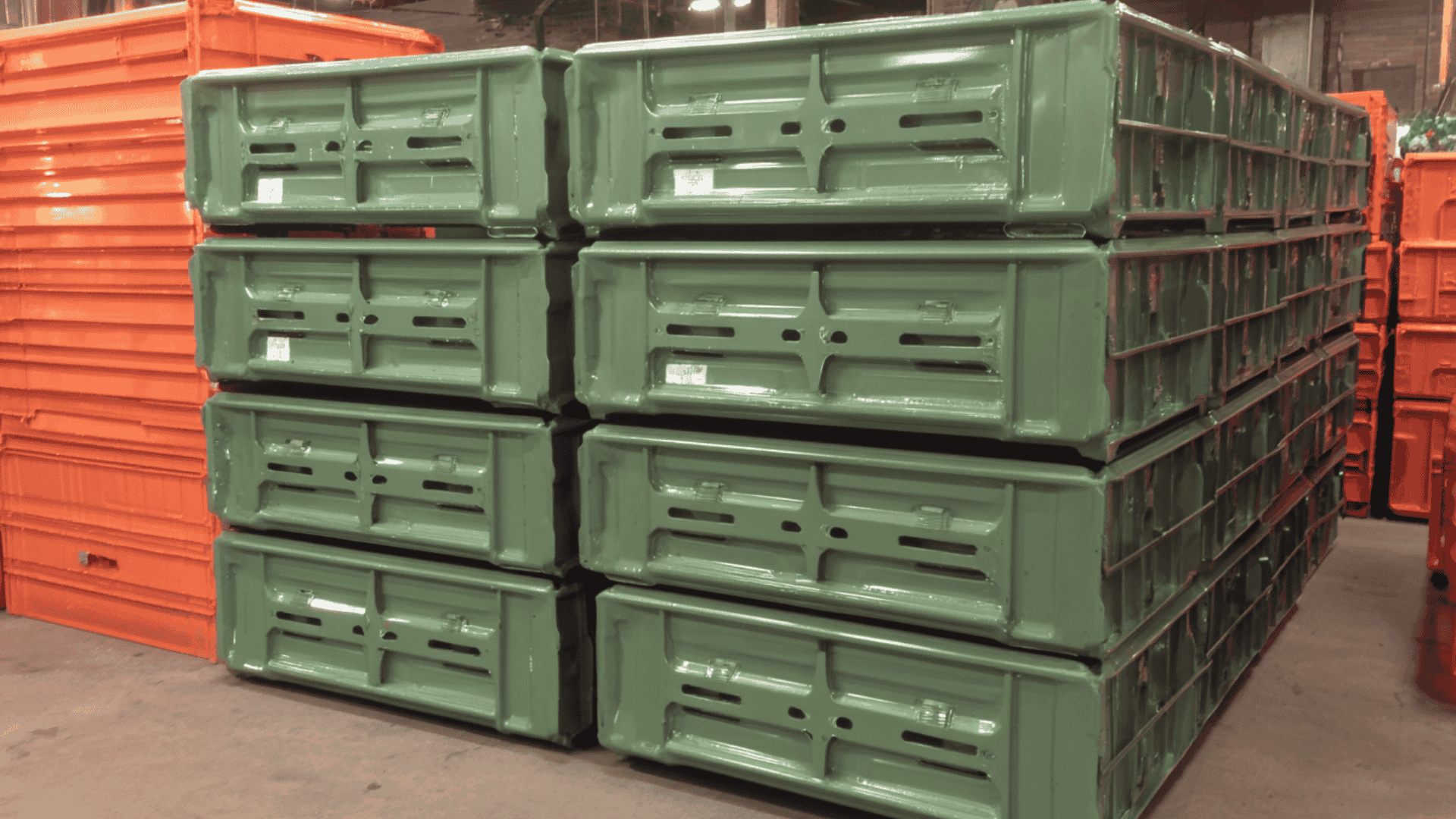
How It Works: Steel containers are stackable and compact, making the most efficient use of available storage space within the plant.
Impact: Maximizing floor space allows for better organization, accommodating more materials and improving overall inventory management.
Improved Safety Standards
How It Works: Steel containers are designed with features like controlled unloading and ergonomic designs that reduce the risk of accidents.
Impact: By preventing material spills and providing safer handling processes, steel containers lead to fewer injuries, creating a safer workplace.
Labor Savings
How It Works: When integrated into existing handling processes, steel containers help reduce unnecessary manual handling and allow labor to be focused on higher-value tasks.
Impact: Workers can focus on more value-added tasks, which results in cost savings and higher productivity, while also reducing labor-related risks.
Increased Material Integrity
How It Works: Steel containers feature smooth, contamination-resistant interiors, ensuring that materials are transported without risk of contamination or damage.
Impact: The integrity of the raw materials is maintained, leading to lower scrap rates, fewer quality control issues, and a more efficient production process.
To achieve optimal raw material handling, it’s crucial to invest in containers built for heavy-duty, high-temperature environments. Providers like Powell Systems specialize in custom steel container solutions that are designed to meet the demanding conditions of steel plants, improving both safety and productivity.
Now, let’s discuss the best practices for effectively implementing steel containers in your steel plant.
Best Practices for Implementing Steel Containers in Steel Plants

To fully maximize the benefits of steel containers in your steel plant, it's important to follow best practices for their implementation. This ensures improved efficiency, safety, and long-term cost savings.
Assess Material Needs and Select the Right Container
Evaluate the type of materials being handled (e.g., scrap metal, hot castings) and choose containers with the appropriate features.
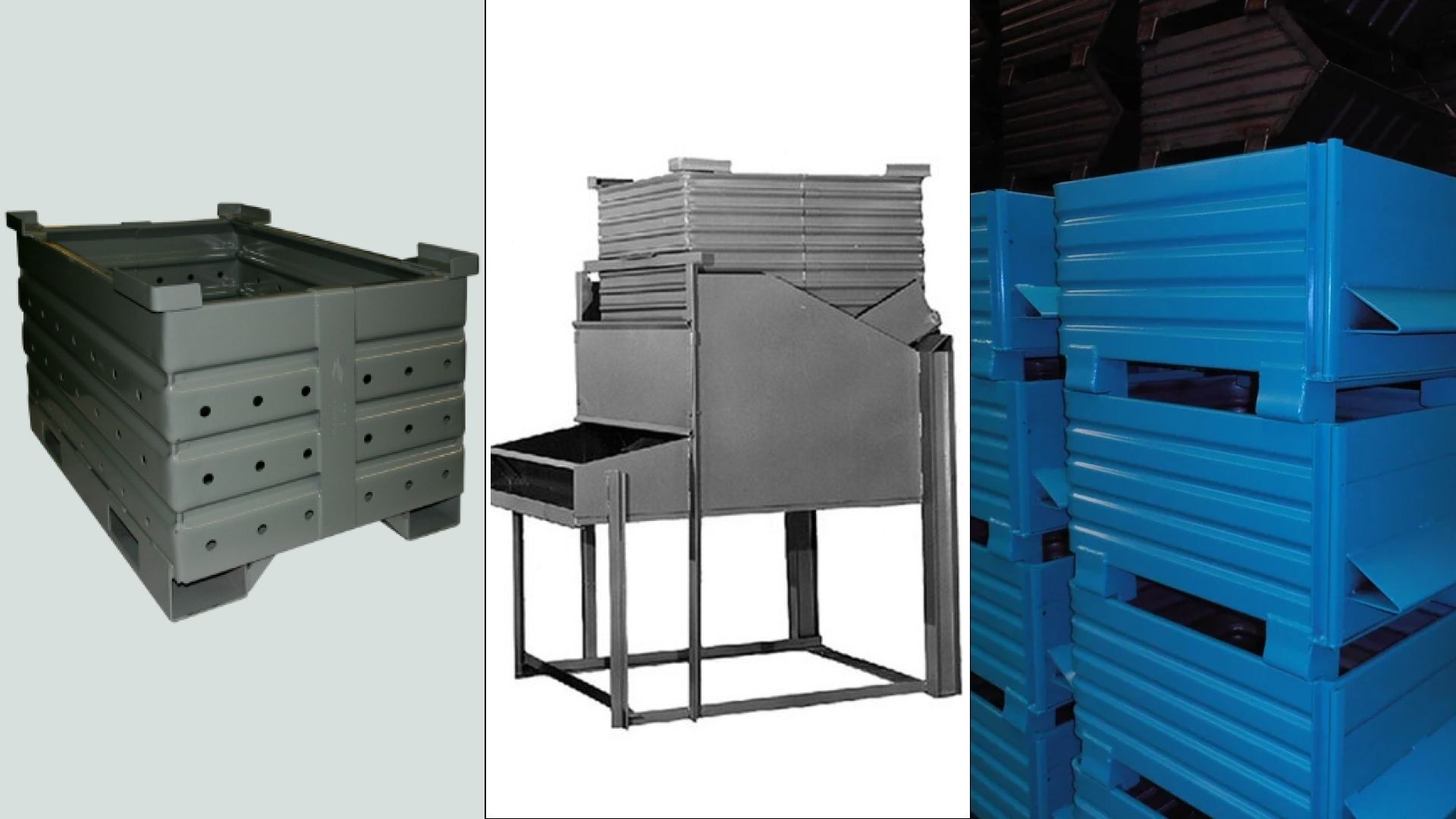
Why It Matters: Choosing the right container, such as Powell System’s The Brute for hot or heavy parts or B3 Smooth-Sided for small, precision components, ensures that each type of raw material is handled safely and efficiently.
Integrate Steel Containers with Existing Systems
Ensure that steel containers are compatible with your plant’s existing automated systems, conveyors, and lifting equipment.
Why It Matters: Integrating containers into automated material handling systems reduces manual labor and speeds up material flow. For example, Powell Systems’ Flowmatic® containers can be integrated into gravity-fed systems to improve processing efficiency.
Optimize Container Layout and Storage
Organize containers based on material type and frequency of use. Implement stacking systems for efficient space utilization.
Why It Matters: Properly organized and stacked containers reduce clutter, improve storage capacity, and minimize retrieval time. This also allows for smoother, faster loading and unloading of materials.
Ensure Regular Maintenance and Inspections
Schedule regular inspections based on usage, load severity, and operating conditions to identify wear, deformation, or damage early.
Why It Matters: Regular maintenance ensures that containers remain in optimal condition, preventing costly breakdowns or safety hazards, and extending their lifespan.
Train Employees on Proper Container Use and Safety
Provide regular training for workers on how to safely handle steel containers and operate automated systems integrated with them.
Why It Matters: Well-trained employees are less likely to cause accidents or mishandle materials, ensuring safety and improving overall plant productivity.
Implement Monitoring and Tracking Systems
Use RFID tags or barcode scanning to track container usage, inventory, and maintenance schedules.
Why It Matters: Real-time tracking helps monitor container performance, avoid loss, and ensure that the right materials are handled at the right time, improving inventory management and workflow visibility.
By following these best practices, you can fully utilize the capabilities of steel containers, streamlining raw material handling and increasing overall productivity.
Let’s now take a closer look at how Powell Systems’ steel containers stand out as a solution for your steel plant’s needs.
Powell Systems’ Steel Containers: A Game-Changer for Steel Plants
At Powell Systems, we specialize in providing customized steel containers for industrial material handling. Based in the Midwestern U.S., we proudly serve steel plants and manufacturing industries across Indiana, Michigan, Ohio, Wisconsin, and other industrial regions, offering durable solutions that optimize raw material handling processes.
Why Choose Powell Systems:
100+ Years of Experience: A century-long legacy in steel container manufacturing and industrial material handling.
Heavy-Duty Specialization: Our “Brute” containers are engineered for applications that many competitors avoid, including hot castings and extreme loads.
Contamination-Free Designs: Our B3 and Flowmatic containers eliminate crevices where stray parts can lodge, improving cleanliness and speeding up quality control processes.
Patented Gravity-Feed Innovation: Flowmatic® containers reduce manual handling and improve production flow efficiency.
Our steel containers are built to withstand the toughest conditions, helping steel plants increase productivity, reduce costs, and improve safety. Explore our range of steel containers.
Wrapping Up
Optimizing raw material handling with steel containers improves efficiency, safety, and long-term cost savings in steel plants. By addressing key challenges like contamination, safety, and workflow inefficiencies, steel containers play a crucial role in streamlining operations.
Powell Systems provides customized steel containers designed to withstand the toughest industrial conditions. With heavy-duty, contamination-free designs and patented innovations, our solutions are customized to meet your plant’s specific needs.
Get a quote today and see how Powell Systems’ steel containers can improve your material handling processes.
FAQs
How do steel containers improve material handling efficiency?
Steel containers streamline material flow by reducing manual handling, optimizing storage space, and minimizing downtime, resulting in faster processing and smoother operations.
Are steel containers suitable for hot materials?
Yes, steel containers are specifically designed to withstand extreme temperatures, making them ideal for handling hot metals and other high-temperature materials safely.
Can steel containers help reduce workplace injuries?
Yes, steel containers improve safety by eliminating manual lifting and ensuring controlled unloading, which minimizes the risk of accidents in the workplace.
How do steel containers contribute to cleanliness in steel plants?
Steel containers are designed with smooth, crevice-free interiors, preventing contamination and ensuring raw materials remain clean, which improves quality control and reduces scrap rates.
What is the lifespan of steel containers in heavy-duty environments?
Steel containers are highly durable, and their lifespan can be extended with proper maintenance, allowing them to withstand years of heavy-duty use without significant wear.