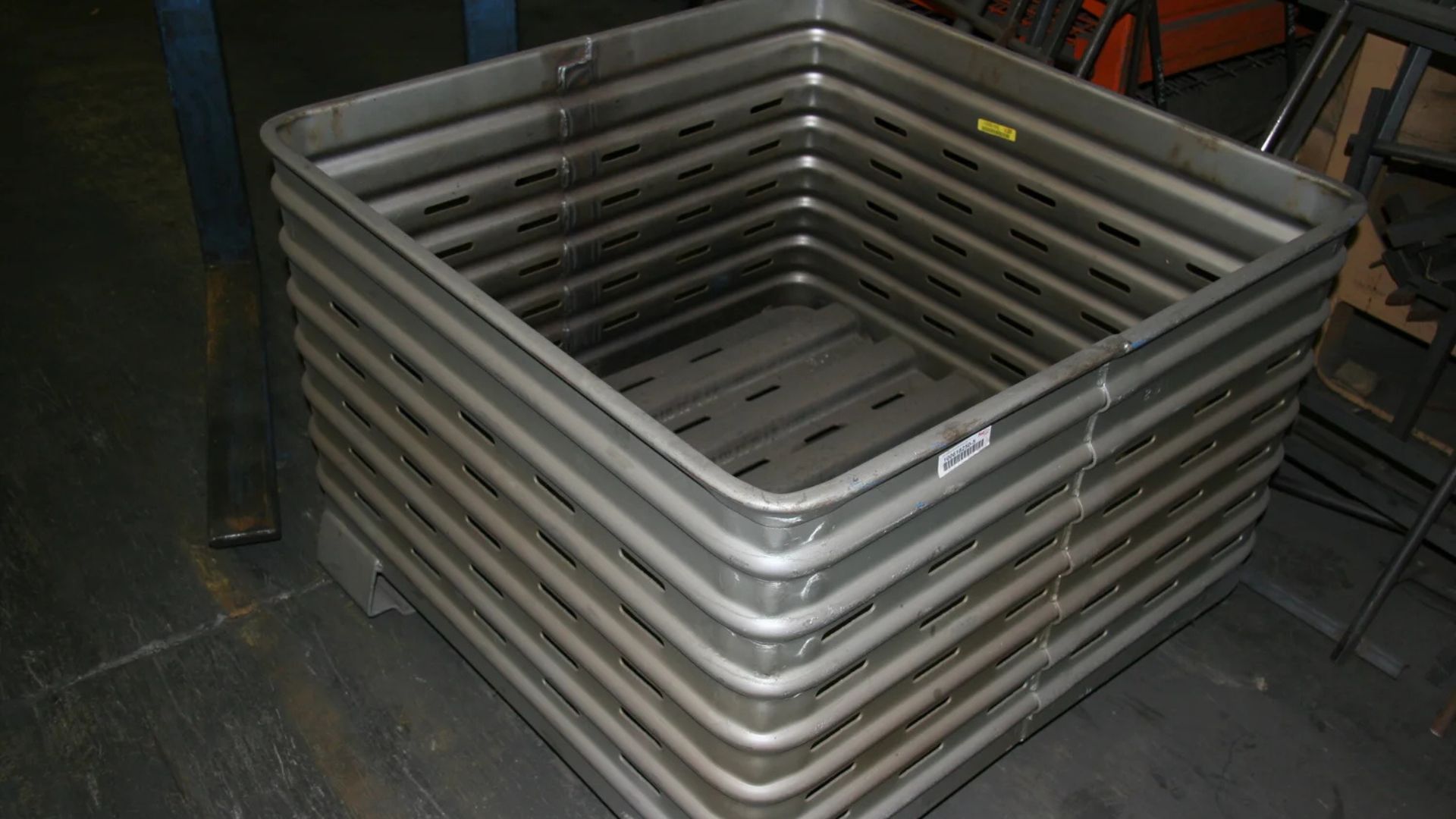
Hot castings, heavy stampings, and small metal parts put constant stress on your material handling equipment. When containers bend, trap parts, or fail under load, production slows, and safety risks increase. You need containers built for heat, weight, and daily factory-floor impact.
Corrugated steel container design addresses those demands. Corrugation strengthens steel without excessive thickness, helping containers resist bending and deformation. In high-volume manufacturing, that added rigidity supports safer stacking, stable loads, and longer service life.
Knowing how corrugated steel boxes are structured, where they work best, and why they outperform flat designs helps you make better handling decisions.
Quick look
Corrugated steel boxes are designed for heavy-duty industrial use, providing strength and stability for high-impact environments.
They offer higher load capacity, improved impact resistance, and greater stacking stability compared to plastic or flat-wall steel containers.
Key benefits include durability in harsh conditions, heat resistance, and reduced part damage during handling.
Commonly used in industries like automotive, foundries, and metalworking, where performance under extreme conditions is essential.
Choosing the right corrugated steel box depends on part size, weight, temperature, and handling needs.
What Is a Corrugated Steel Box?
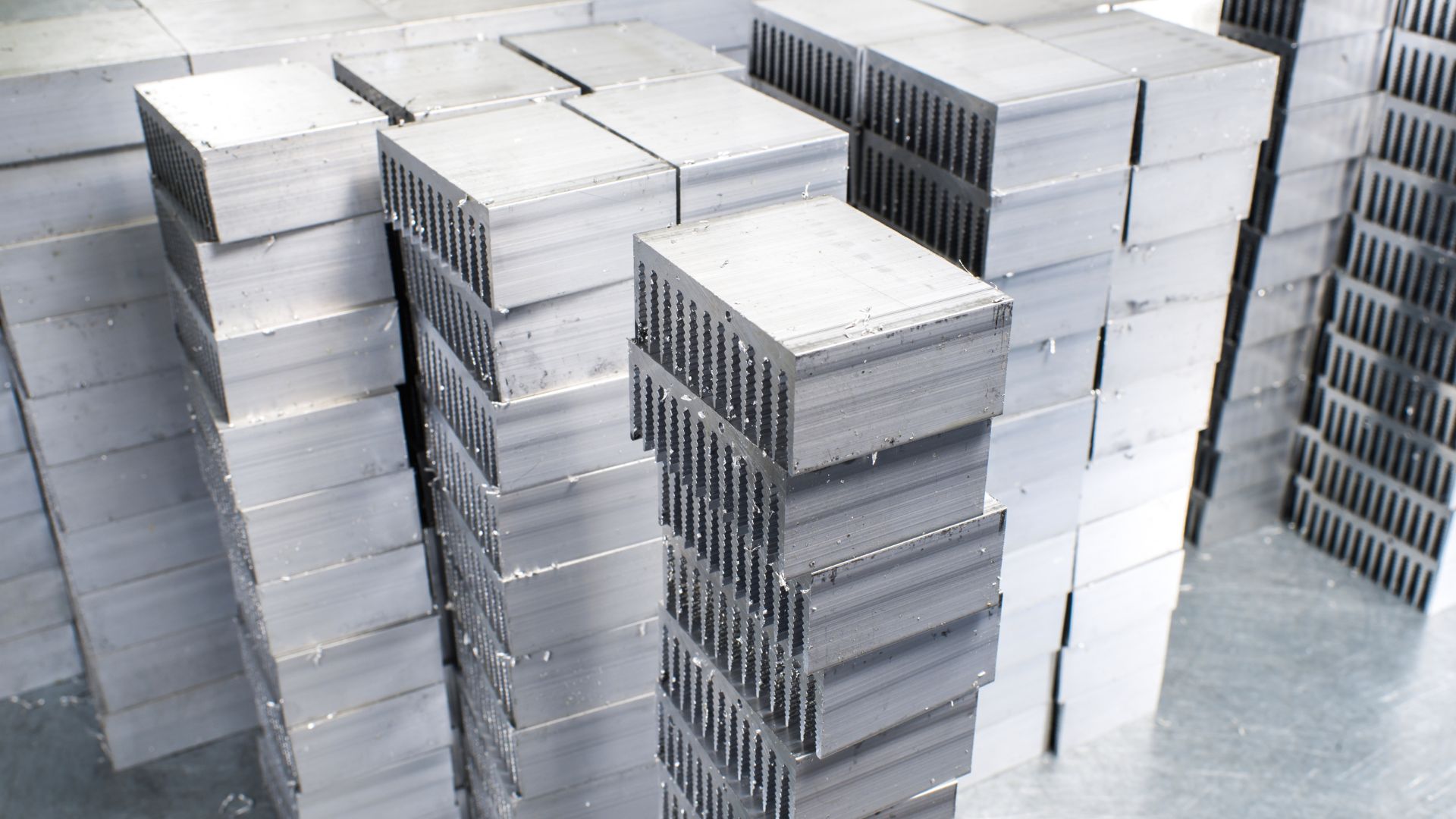
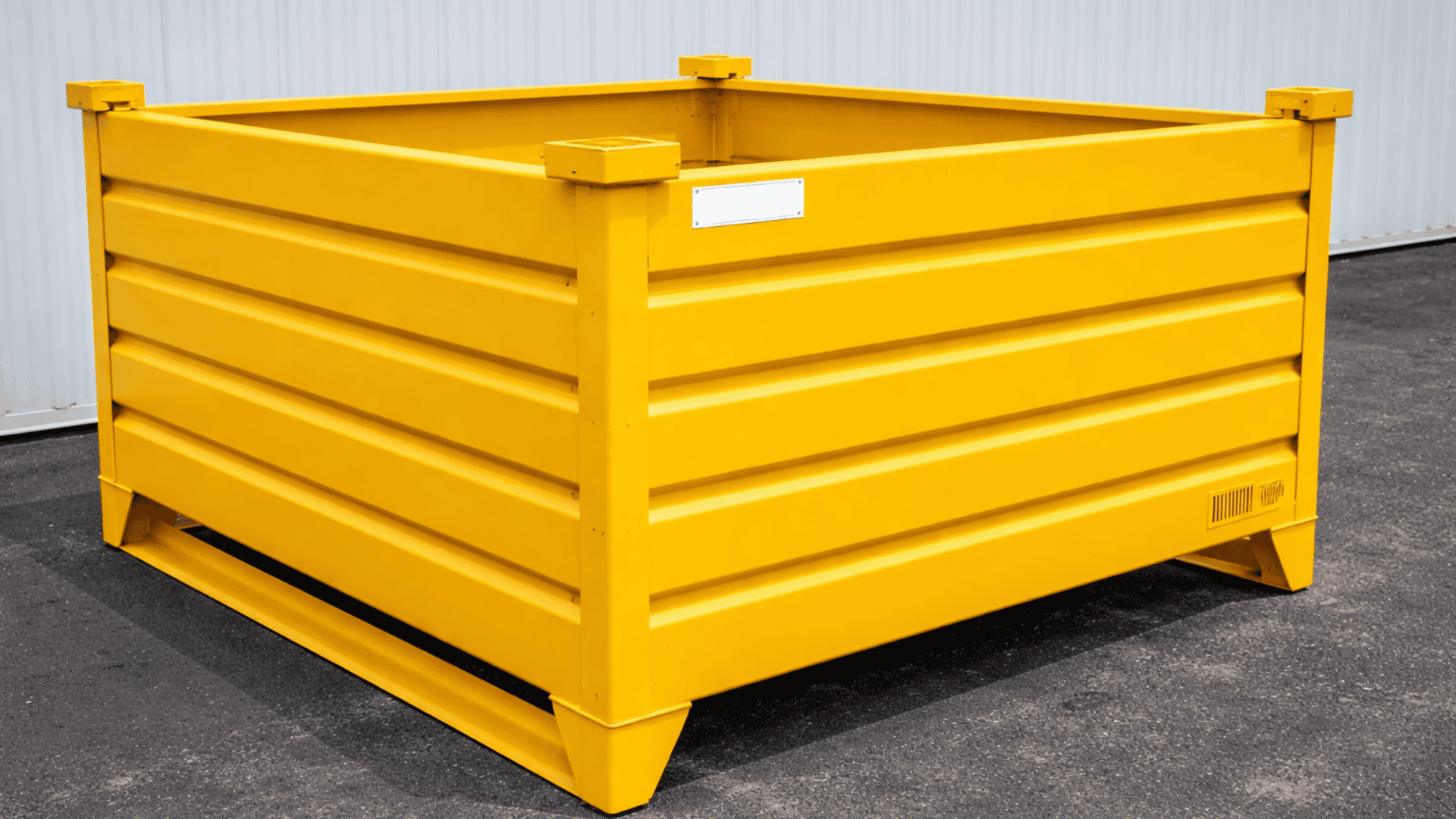
A corrugated steel container is a heavy-duty industrial unit made from formed steel panels with raised ribs or wave patterns. These corrugations act as structural reinforcements, increasing rigidity and load capacity without requiring thicker steel.
The design allows the container to handle high-impact, high-temperature, and high-weight conditions common in metalworking and manufacturing plants.
How a Corrugated Steel Box Is Constructed
Corrugated Sidewalls: Formed ribs distribute stress and reduce panel flex under load
Welded Steel Framework: Reinforced seams and corners handle stacking pressure
Industrial-Grade Steel: Typically carbon steel chosen for strength and durability
Structural Base Design: Supports forklift handling and heavy bottom loads
Stacking Features: Offset legs or reinforced corners improve vertical stability
Cleanable interior design: Structured surfaces that support complete cleanout without trapping fines or scrap
These structural advantages show why corrugated steel boxes are common in demanding production environments. Next, it helps to look at the different types used across industrial material handling.
Types of Corrugated Steel Containers Used in Industry
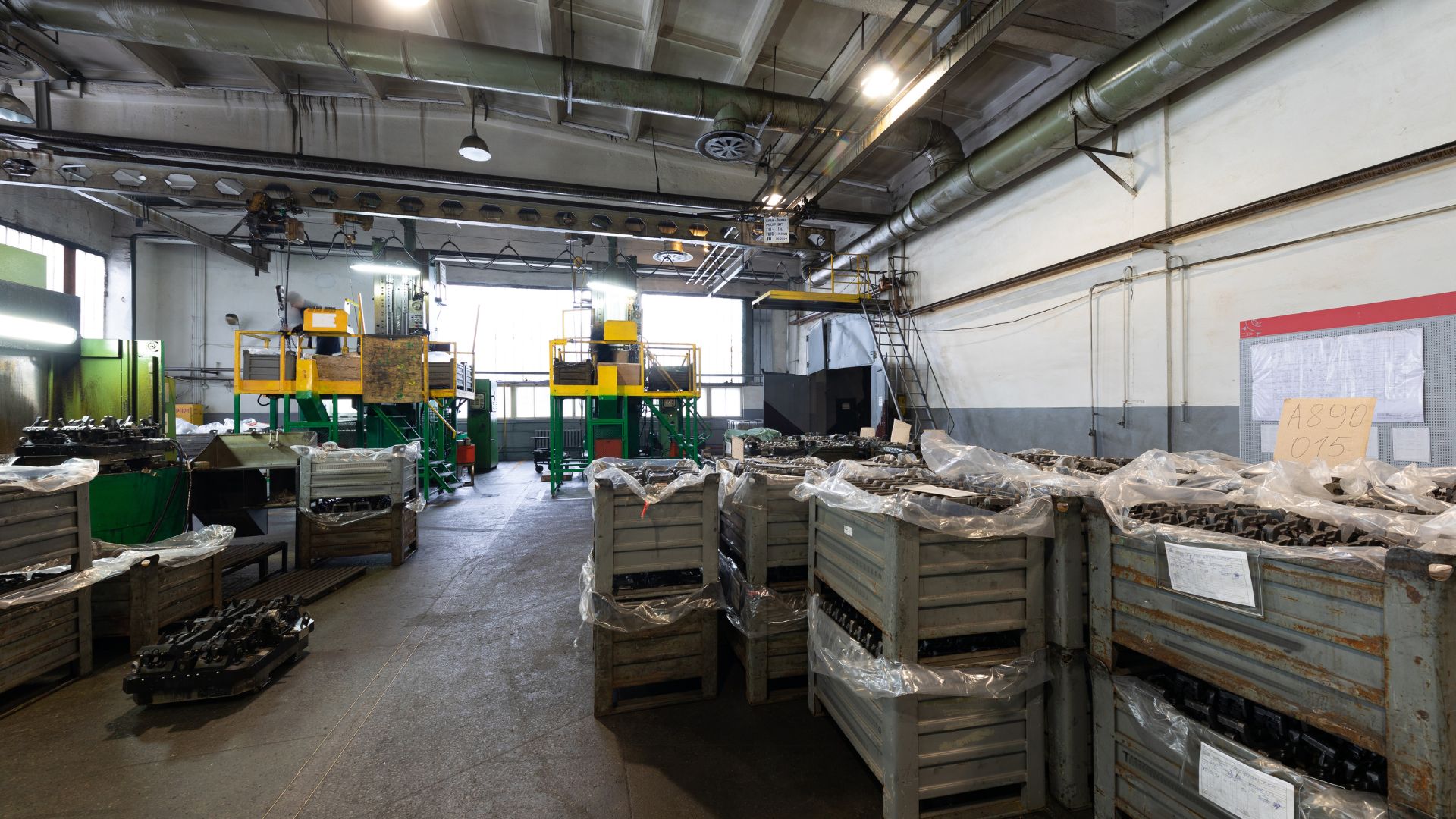
Corrugated steel boxes vary by handling method, load demand, and production workflow. Selecting the right type improves part flow, stacking safety, and container life in demanding manufacturing environments.
Below are the primary configurations used across metalworking and production facilities.
Standard Corrugated Steel Containers
Heavy-duty steel boxes with corrugated sidewalls for added rigidity and structural strength. Designed for general material movement within industrial plants.
Where they are used:
Transporting metal parts between operations
Work-in-process storage
Stacking in production and staging areas
Forklift-based material handling
Gravity-Feed Corrugated Containers
Corrugated containers built to support controlled part movement through angled or flow-assisted designs. Reduce manual repositioning during production.
Where they are used:
Assembly and production lines
Fastener and small-part manufacturing
Lean material flow systems
Operations aiming to reduce handling time
Smooth-Sided Corrugated Containers for Small Parts
Corrugated steel containers with interior surfaces designed to limit part trapping and debris buildup. Help maintain cleaner handling conditions.
Where they are used:
Precision component production
Quality control areas
Fastener and small metal part operations
Environments where contamination can affect product quality
Drop-Bottom Corrugated Boxes
Corrugated containers with bottom-release mechanisms that allow quick and controlled part discharge without manual dumping.
Where they are used:
Workstations requiring fast unloading
Processes with repetitive part emptying
Facilities using lift attachments for dumping
Heavy part transfer operations
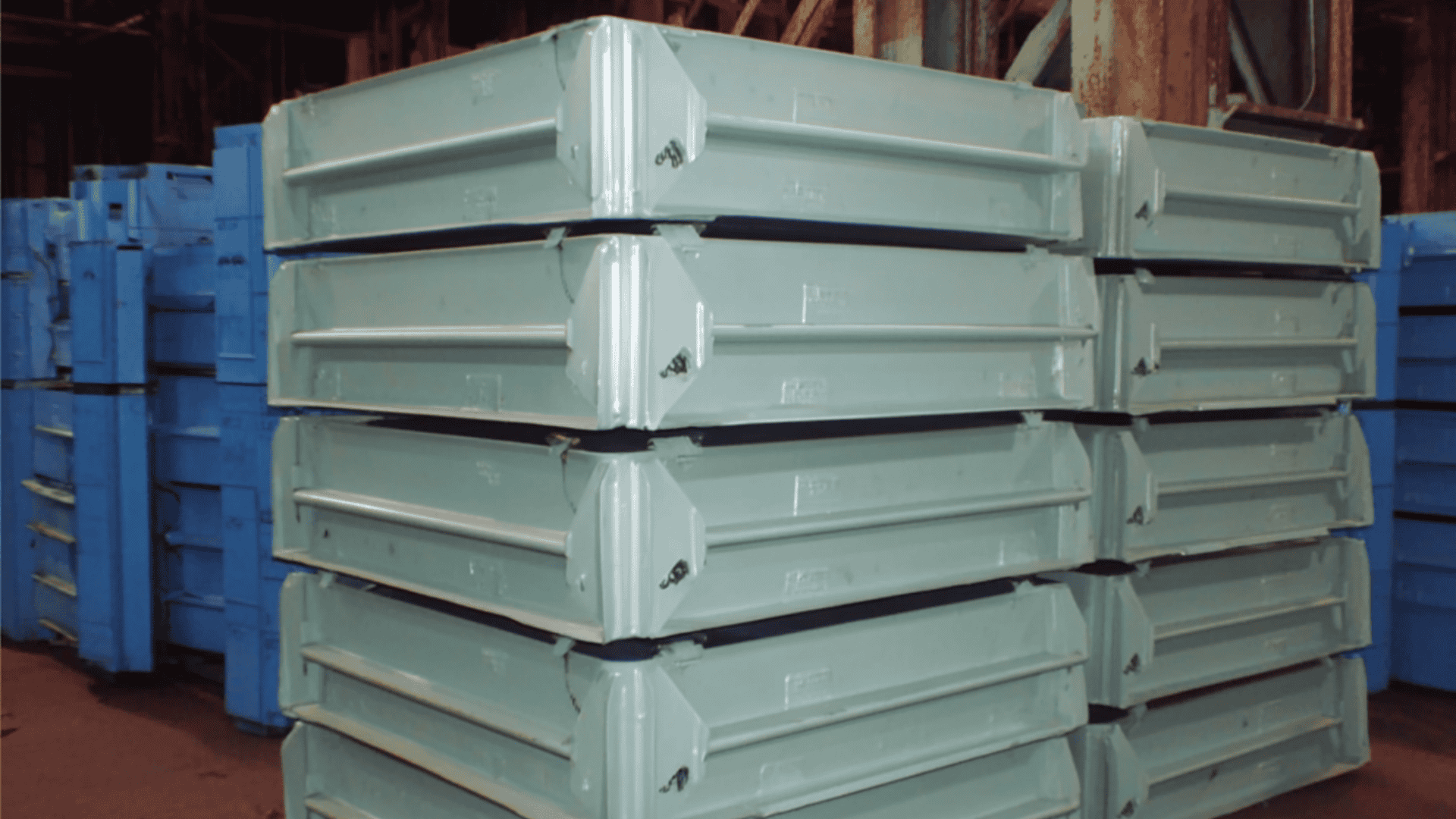
Heavy-Duty Corrugated Boxes for Hot & Heavy Loads
Reinforced corrugated steel containers, such as PSI’s hot-and-heavy designs, engineered for extreme weight and temperature exposure. Built to handle impact and high stacking loads.
Where they are used
Foundries handling castings
Forging operations
Metal stamping plants
Automotive and heavy component manufacturing
Choosing the correct box type ensures the container supports both your load conditions and production flow.
Next, let’s look at the performance benefits corrugated steel boxes provide in industrial environments.
7 Key Benefits of Corrugated Steel Boxes in Manufacturing
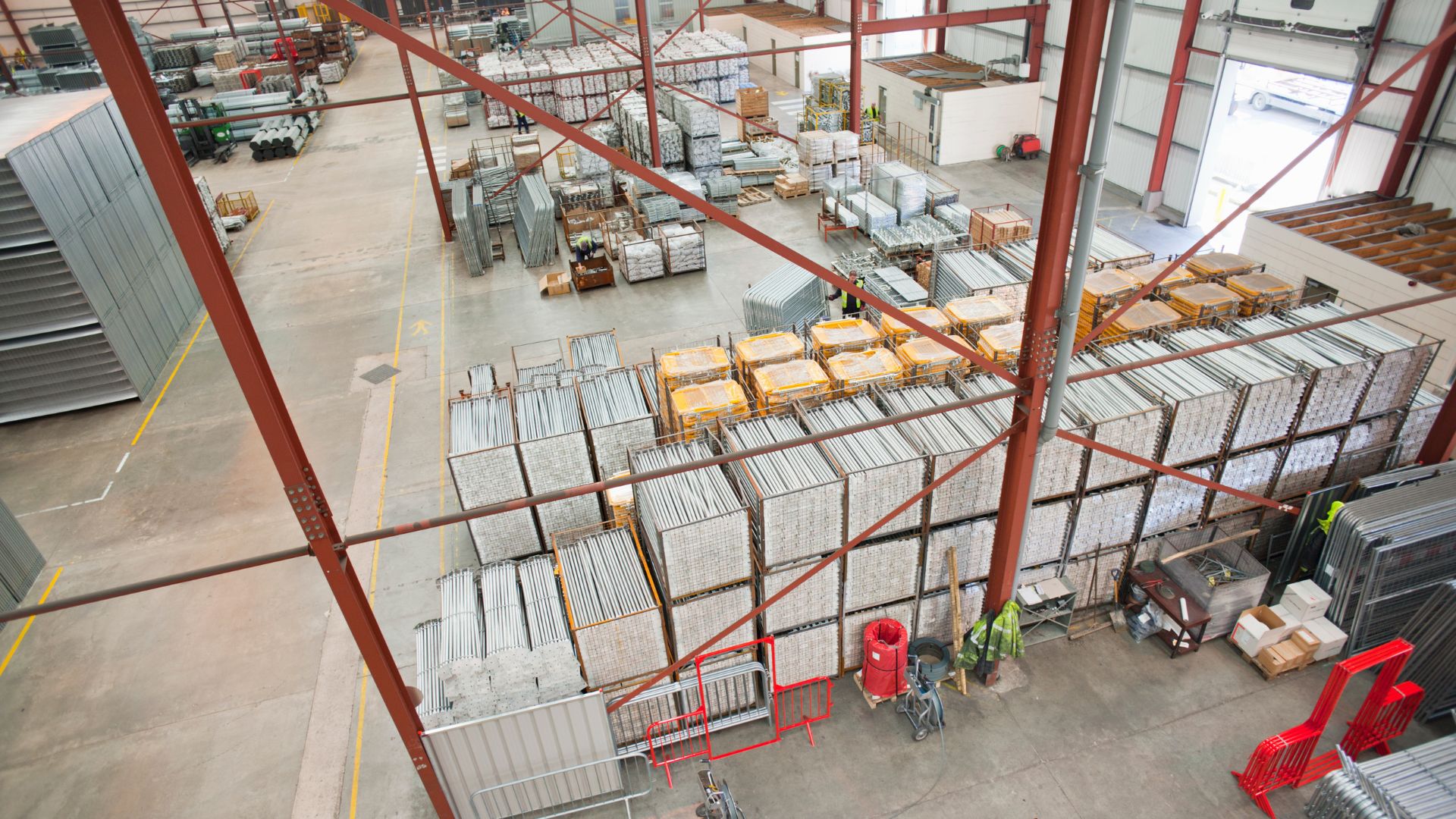
Corrugated steel box design delivers measurable structural and operational advantages in demanding production environments. The reinforced profile supports heavy loads, frequent handling, and harsh factory-floor conditions.
The following advantages show how corrugated construction supports performance on the plant floor.
Higher Load Capacity Without Excess Material: Corrugation increases panel stiffness, allowing heavier parts to be handled without overly thick steel.
Improved Impact Resistance: Ribbed panels distribute force from dropped or shifting metal parts, reducing dents and structural damage.
Better Stacking Stability: Corrugated walls resist bowing under vertical pressure, supporting safer and more stable container stacking.
Longer Service Life in Harsh Conditions: Reinforced construction withstands repetitive loading cycles, abrasive parts, and rough handling.
Resistance to Heat Exposure: The steel structure maintains strength when handling hot castings, forgings, and freshly stamped metal components.
Reduced Part Damage During Handling: Rigid walls limit sudden load shifting, helping protect parts from unnecessary impact.
Lower Maintenance and Replacement Frequency: Durable design reduces repair needs and extends container service life.
These performance advantages explain their role in heavy manufacturing. Next, let's look at how to see where corrugated steel boxes are most commonly used across industry.
Where Corrugated Steel Boxes Are Commonly Used
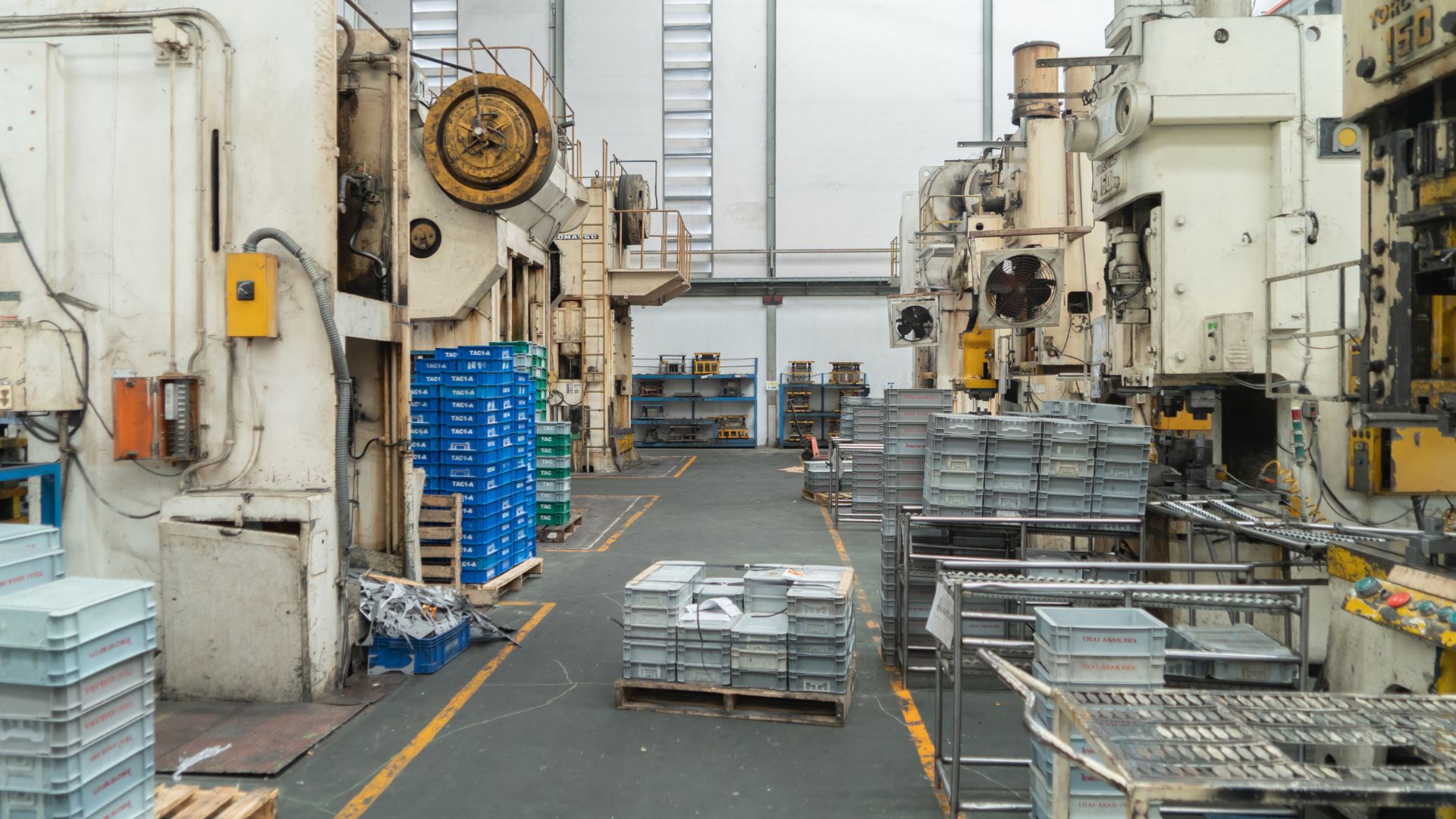
Corrugated steel boxes are essential in a variety of manufacturing environments, where their strength and durability are critical for efficient material handling.
Below are the key industries where these containers excel:
Foundries: Used for handling hot castings and forged parts, corrugated steel boxes withstand high temperatures and heavy impact.
Metal Stamping & Forging: Ideal for storing and transporting metal stampings and forgings, where container integrity and load stability are crucial.
Automotive Manufacturing: Frequently used in tier 1 and tier 2 automotive supply chains to handle large, heavy parts like engine blocks and chassis components.
Fastener Production: Used for small metal components such as nuts, bolts, washers, and screws, where cleanliness and efficiency in part handling are a must.
Electronics & Precision Manufacturing: Precision metal component manufacturing, where contamination-free handling and consistent part control are critical.
Aerospace & Defense: Provides safe storage and transport for high-value components that need both heat resistance and load stability during production and shipping.
Understanding where they fit is key, but selecting the right box for your specific application ensures optimal performance. Let’s now explore how to choose the right corrugated steel box for your needs.
How to Choose the Right Corrugated Steel Box
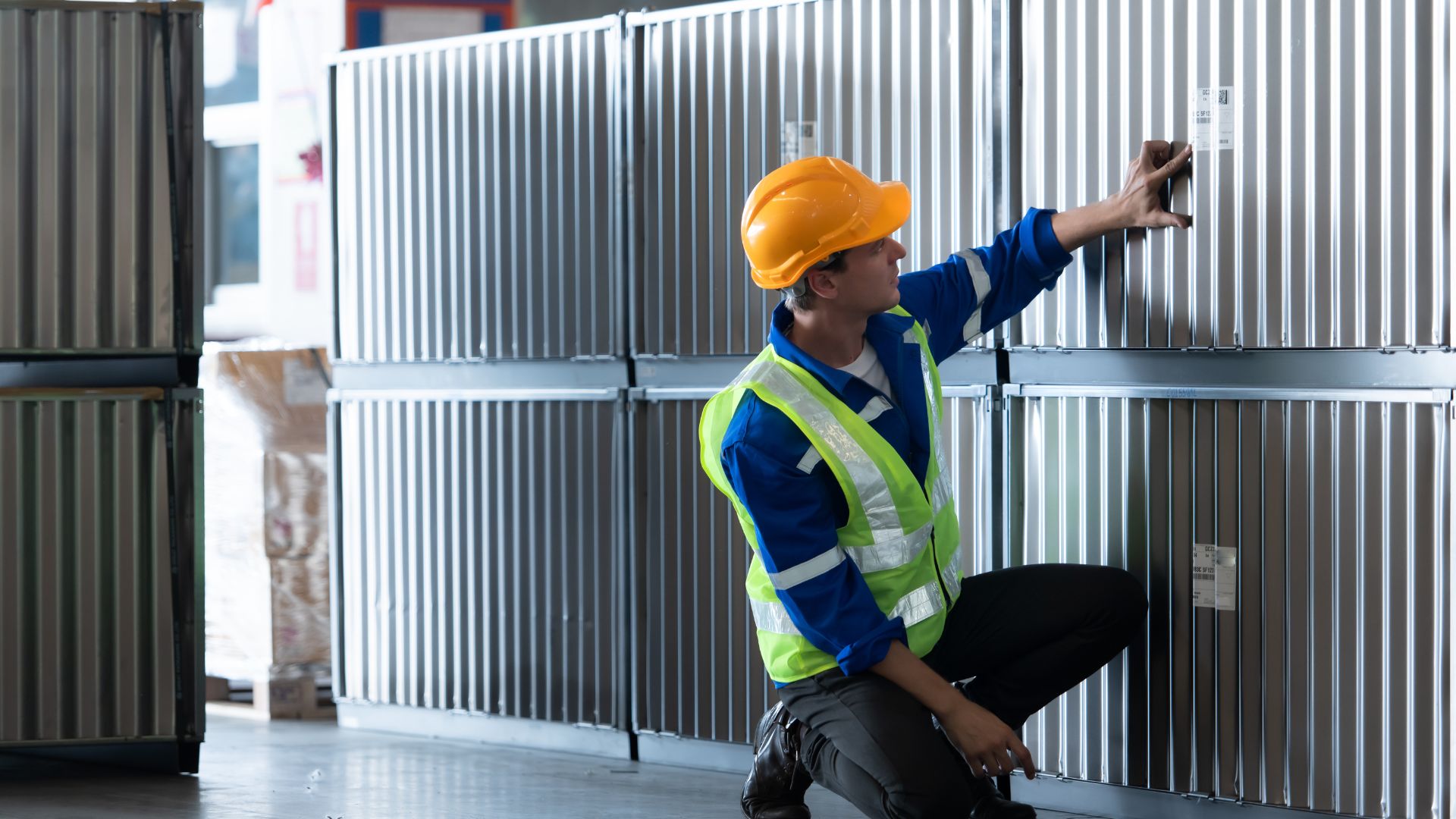
Choosing the right corrugated steel box is crucial for optimizing material handling, improving workflow efficiency, and ensuring part safety.
Here’s a checklist to help guide your decision-making process:
Consider the Part Weight and Size
Heavy Parts: Opt for heavy-duty corrugated boxes or specialized models like “The Brute” for extreme load-bearing.
Small Parts: Use smooth-sided containers to prevent contamination and ensure cleaner handling.
Part Dimensions: Ensure the box dimensions match the part size to prevent shifting or overcrowding.
Assess the Temperature Conditions
Hot Components: Choose heat-resistant corrugated boxes for handling hot metal parts like castings and forgings.
Cold Parts: Ensure the box maintains integrity in colder environments if you're handling materials like ice-packed components.
Evaluate Stacking and Storage Requirements
Heavy Loads: Look for containers with reinforced corners or drop-bottom designs for easy unloading and stacking.
Space Efficiency: Consider tapered nose boxes for optimized stacking in tight spaces.
Think About the Handling Method
Forklift Compatible: Choose standard 4-way entry containers for forklift access.
Manual Handling: If operators interact directly with the container, ensure access points and discharge methods reduce bending and reaching during loading and unloading.
Focus on Part Protection and Cleanliness
Contamination-Free Handling: For precision parts, go with smooth-sided corrugated boxes to reduce scrap and speed up quality checks.
Damage Control: Select rigid boxes to prevent part damage during transport and unloading.
Ensure Integration with Existing Workflows
Workstation Integration: Choose containers like drop-bottom or roll-over boxes for seamless integration with existing workflows and machinery.
Durability and Long-Term Use
Frequent Use: Go for corrugated steel boxes designed for high durability, as these containers are built to last in high-volume operations.
Low Maintenance: Look for long-lasting options that require minimal maintenance over time.
Looking for corrugated steel boxes personalized to your specific needs? Powell Systems offers custom-engineered solutions that ensure your operations stay efficient and durable.
Let’s now take a look at how these boxes compare to other container solutions in the market.
Corrugated Steel Box vs Other Industrial Containers
When it comes to material handling, corrugated steel boxes stand out for their durability, strength, and versatility compared to other container types.
Here’s a comparison to highlight the key differences:
Feature | Corrugated Steel Box | Plastic Container | Flat Steel Container |
Load Capacity | High, can carry heavy parts | Medium, prone to warping | Medium, may dent or warp under pressure |
Impact Resistance | Excellent, absorbs shocks | Low, cracks under impact | Moderate, may dent or deform |
Heat Resistance | High, suitable for hot parts | Poor, not designed for high temps | Moderate, can handle warm parts |
Durability | Long-lasting, minimal wear | Shorter lifespan, prone to cracking | Durable when properly coated, but more prone to deformation without corrugation. |
Stacking Stability | Excellent, resists bowing | Low, can collapse under weight | Moderate, can bow under heavy stacking |
Part Protection | Reduces part damage | Prone to scratches and damage | Moderate protection against damage |
Maintenance | Low, minimal wear | High, prone to cracking and replacement | Moderate, needs periodic maintenance |
Cost | Medium to high | Low to medium | Medium to high |
Given the differences, it's clear why corrugated steel boxes excel in demanding industrial environments.
How Powell Systems Engineers Corrugated Steel Boxes for Industrial Use?
Powell Systems specializes in custom-engineered corrugated steel containers designed for demanding industrial environments. Serving industries across the Midwest U.S., including automotive, foundries, and metalworking, we focus on optimizing material handling and production efficiency.
With over 100 years of expertise, we design containers that deliver durability, safety, and operational reliability.
We offer a range of corrugated steel boxes, including:
Heavy-Duty Boxes for extreme load-bearing and heat resistance
Flowmatic Gravity-Feed Containers for optimized part movement
Smooth-Sided Containers for clean handling of precision parts
Drop-Bottom Boxes for quick and controlled unloading
Custom-Designed Solutions personalized to specific client needs
By combining decades of industry experience with advanced engineering, we help you choose the right corrugated steel box that improves both safety and productivity in your operation.
Wrapping Up
Corrugated steel boxes offer the strength, impact resistance, and stability required in demanding manufacturing environments. They are essential for industries handling hot, heavy, or delicate parts, ensuring efficient workflows and lasting durability.
At Powell Systems, we specialize in custom-engineered corrugated steel boxes designed to meet your specific needs. Our solutions enhance safety, productivity, and reliability.
Contact Powell Systems to request a quote for corrugated steel containers engineered to handle heat, weight, and repeat handling in industrial production.
FAQs
Can corrugated steel boxes be used for outdoor storage?
Corrugated steel boxes are durable and can handle outdoor conditions, but prolonged exposure to moisture may cause rust. It's best to keep them in dry environments or apply coatings for added protection.
Are corrugated steel boxes recyclable?
Yes, corrugated steel boxes are fully recyclable, offering an environmentally friendly option for industrial use. However, it's important to check for any material contamination before recycling.
How long do corrugated steel boxes last in industrial environments?
Corrugated steel boxes can last for several years in industrial environments if properly maintained. The longevity depends on usage, handling conditions, and whether they are exposed to harsh elements.
Are corrugated steel boxes suitable for hazardous materials?
Corrugated steel boxes can be suitable for hazardous materials, but they must meet specific regulatory standards for safety and containment. Always ensure compliance with safety guidelines for the materials you're storing.
Do corrugated steel boxes offer resistance to chemicals?
While corrugated steel boxes provide resistance to some chemicals, they may not withstand corrosive or highly reactive substances. It's important to verify the compatibility of the steel with the chemicals you're handling.