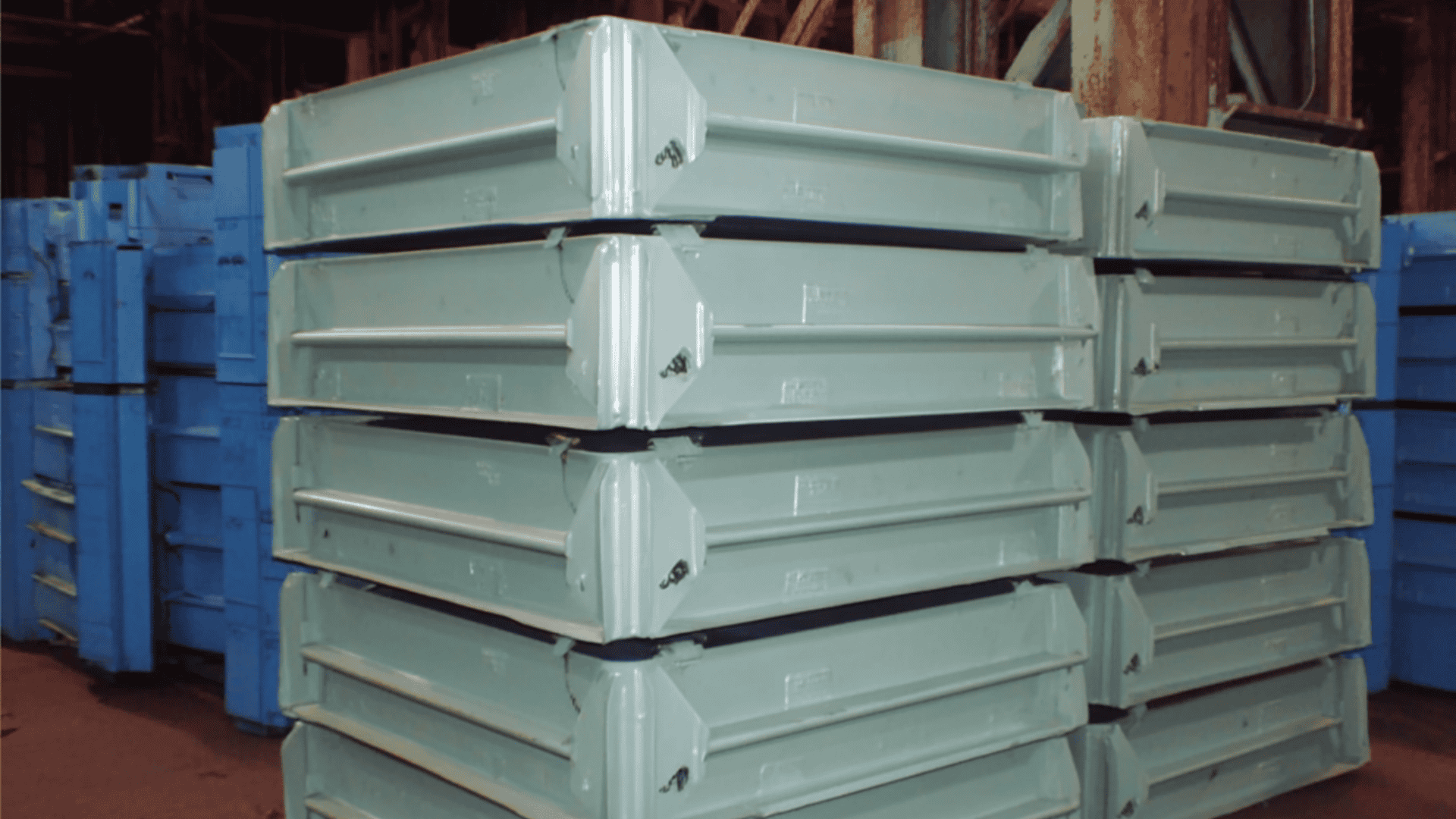
Is your warehouse facing challenges with space optimization, inventory management, or inefficient material handling? These common issues can slow down operations and drive up costs. Without the right storage solution, it becomes harder to maintain an organized and efficient warehouse.
Ineffective storage systems create bottlenecks, delay order fulfillment, and make it difficult to manage inventory efficiently. As a result, both productivity and profitability suffer, leaving businesses in need of a better approach.
Corrugated steel containers offer a durable storage and handling option for industrial environments where weight, heat, and repeated use are daily realities. They help optimize space, improve material handling, and protect inventory.
This article explores how these containers can significantly improve your warehouse efficiency and streamline operations.
Quick look
Corrugated steel containers optimize warehouse space through efficient stacking and uniform design.
They support more consistent storage and material control through standardized footprints and predictable stacking behavior.
Their structural design supports safer forklift handling and reduces instability during storage and movement.
Containers provide strong protection from impact, deformation, and part damage during handling and storage.
The customizability of these containers meets specific industry needs, increasing warehouse efficiency and reducing costs.
What are Corrugated Steel Containers?
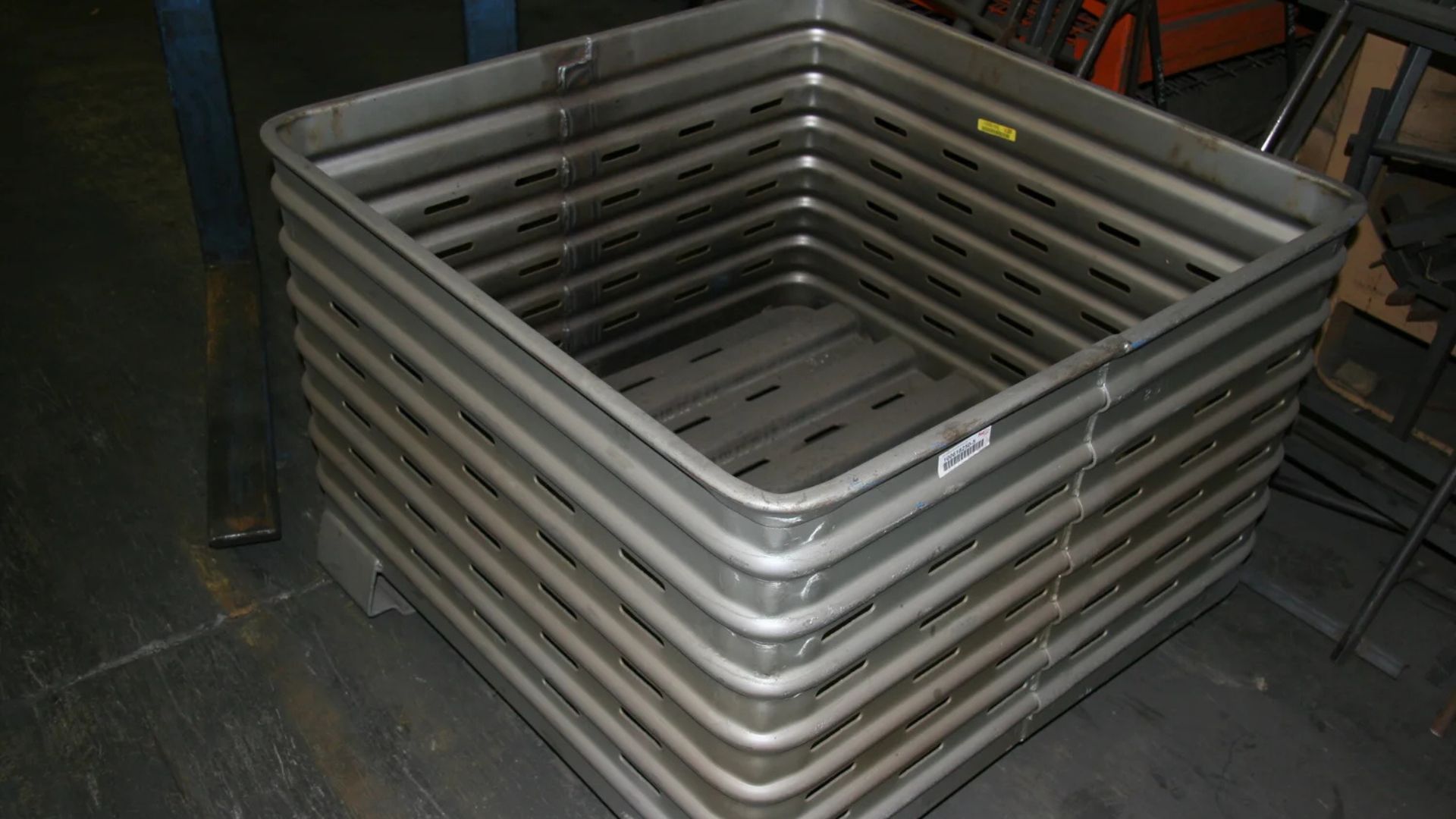
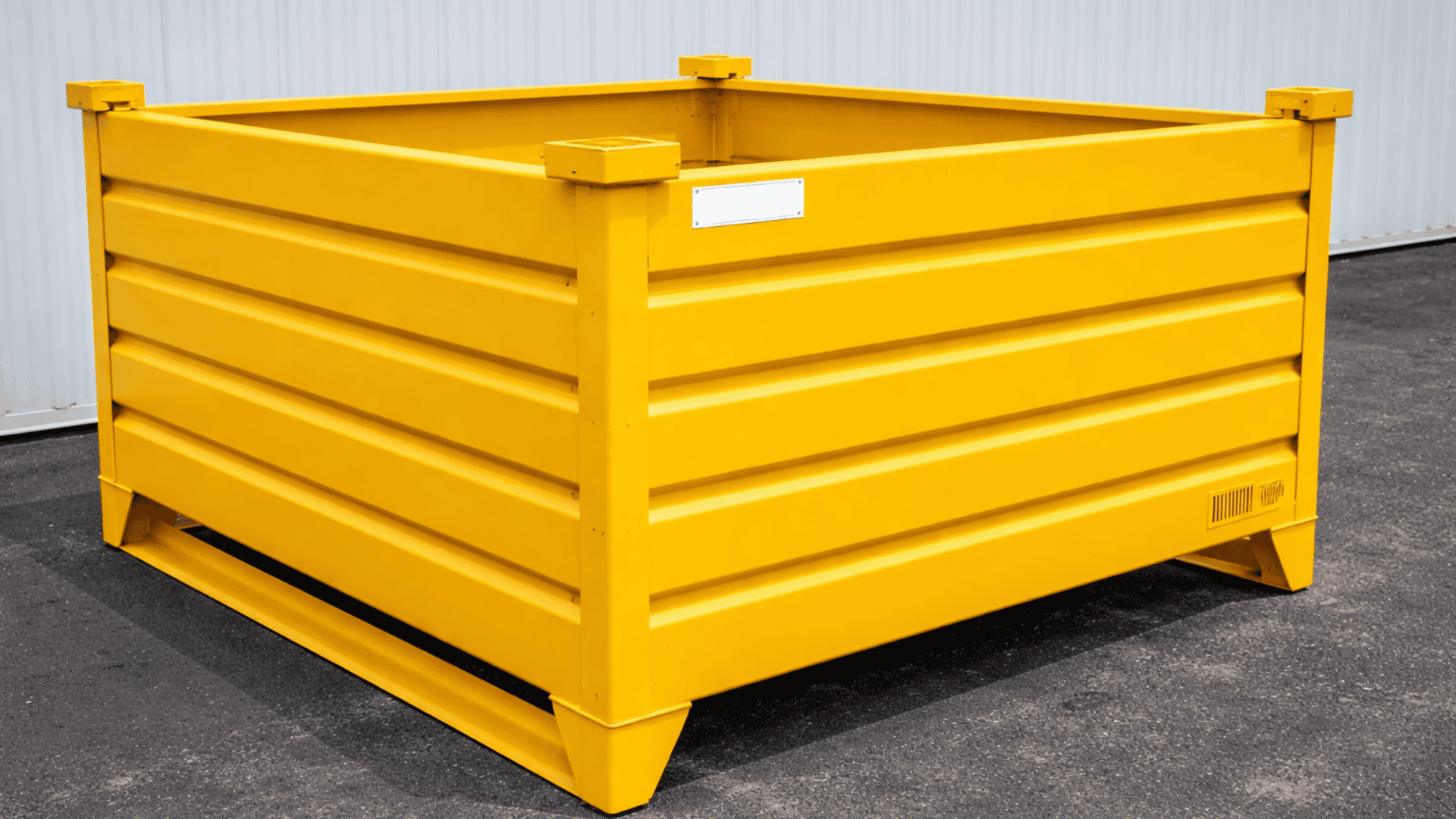
Corrugated steel containers are heavy-duty storage solutions designed to handle the demanding environments of industrial warehouses. These containers are constructed from corrugated steel, known for its strength, durability, and resistance to harsh conditions.
Used for storing, staging, and transporting industrial parts, they offer a reliable solution for businesses that require safe and efficient storage options.
Materials Used in Corrugated Steel Containers:
High-Strength Steel: Provides durability and resistance to wear and tear.
Corrugated Design: Improves strength and allows for efficient stacking.
Optional coatings or finishes: Selected when corrosion resistance is required for specific environments.
Reinforced Edges and Corners: Add structural integrity and protect against damage during handling.
These strong containers are built to withstand heavy loads, making them ideal for warehousing and material handling. Now, let's explore how corrugated steel containers improve warehouse efficiency.
How Corrugated Steel Containers Improve Warehouse Efficiency?
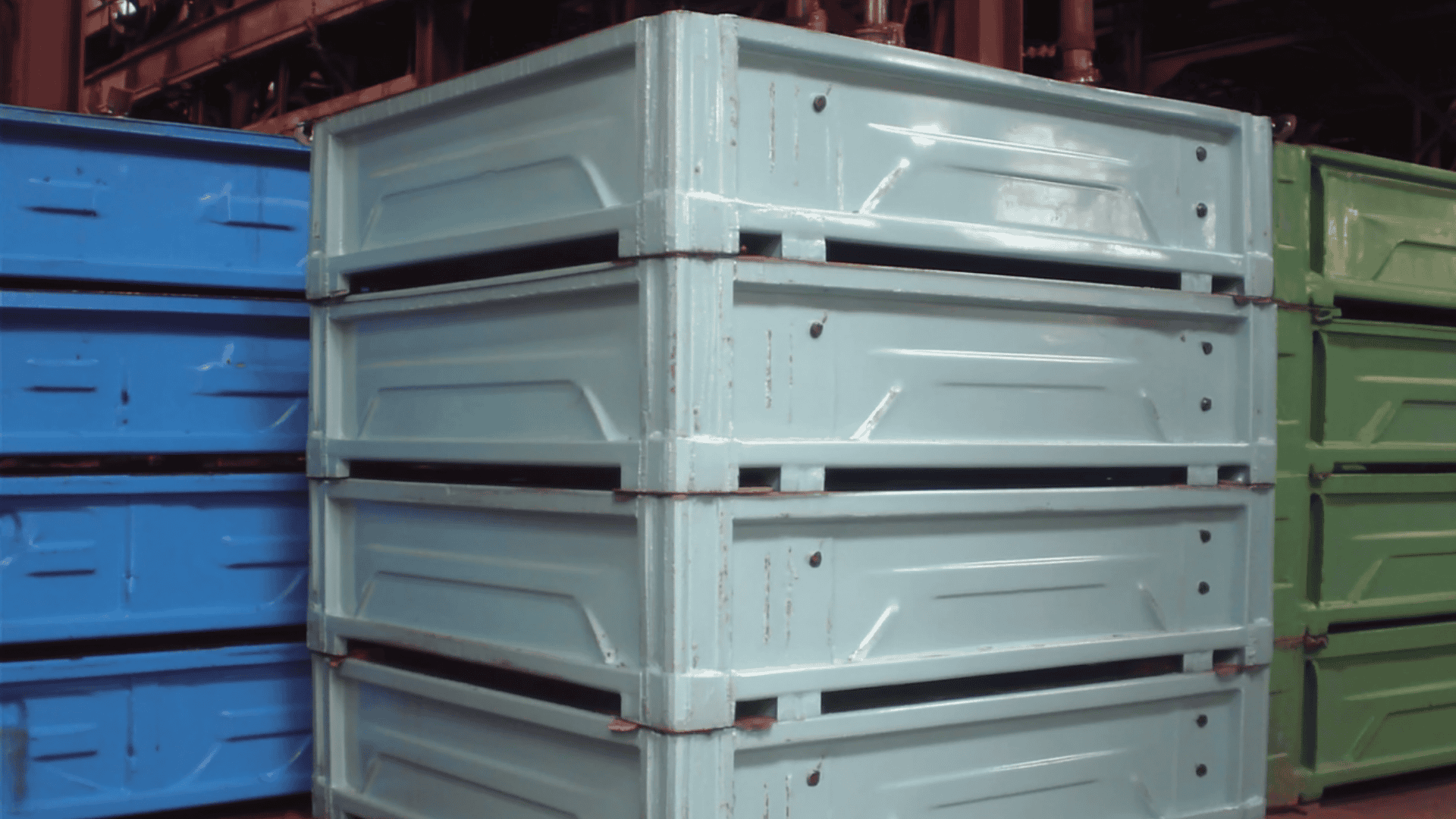
Corrugated steel containers play a crucial role in improving warehouse efficiency by offering optimal space utilization, improved protection, and easy handling.
Let's look at the specific ways these containers contribute to better warehouse performance.
Optimizing Space Utilization
Corrugated steel containers are designed to maximize warehouse space by utilizing vertical storage and reducing floor clutter.
Here’s how they contribute to better space utilization:
Maximizes Vertical Storage: Containers are designed for safe vertical stacking based on rated load and stacking capacity.
Uniform Layout: Standardized dimensions allow for efficient organization, creating a uniform storage layout that optimizes floor space.
Efficient Use of Floor Space: By stacking containers, businesses can reduce the footprint required for storage, allowing for more products in the same space.
Flexible Configuration: Containers can be arranged in various layouts, optimizing available space based on specific needs.
Compatible with Racking Systems: Steel containers are compatible with racking systems, allowing for easier integration into automated or semi-automated warehouses.
Industries That Benefit:
Automotive: Maximizes storage for automotive parts like engines, gears, and smaller components.
Metalworking & Manufacturing: Ideal for storing metal parts, tools, and components in foundries and production plants.
Improving Inventory Management
Corrugated steel containers support more consistent material storage and part segregation on the shop floor.
Standardized Sizing: Uniform dimensions make it easier to classify and organize products, improving inventory accuracy.
Custom Configurations: Containers can be customized to fit specific products, ensuring optimized storage and reducing misplacement.
Easy Labeling: Welded tag holders, stenciling, or placards can be added for part identification where required.
Reduced Stock Errors: Well-organized, labeled containers ensure goods are easily located, reducing stock discrepancies and minimizing the chance of overstocking or stockouts.
Industry That Benefits:
Automotive: Ensures parts are tracked accurately across multiple stages of production.
Simplifying Material Handling
Corrugated steel containers streamline material handling by offering easy mobility, ergonomic design, and compatibility with automation systems.
By minimizing physical strain and improving handling efficiency, these containers offer tangible benefits:
Ergonomic Design: Features like formed edges and reinforced structures support safer interaction during loading and unloading.
Lift Truck Compatibility: Designed to seamlessly fit with forklifts, pallet jacks, and automated systems, ensuring efficient transport.
Optimized for Automated Systems: Designed for consistent forklift handling and repeatable placement in industrial environments.
Quick Loading and Unloading: Containers designed for easy access and stacking help accelerate the loading/unloading process, improving cycle times.
Industry That Benefits:
Manufacturing: Simplifies handling of heavy or bulky materials, improving production line efficiency.
Enhancing Product Protection
Corrugated steel containers provide superior protection against physical damage, environmental factors, and contamination.
Here’s how they improve product protection:
Impact Resistance: The high-strength steel construction absorbs shocks, protecting goods from dents and scratches during handling or movement.
Corrosion-Resistant Coating: Many containers come with galvanized finishes that resist rust and corrosion, ensuring goods stay protected in harsh environments.
Sealed Edges: Formed panels and welded construction limit deformation and part escape during handling.
Stacking Strength: The rigid structure of corrugated steel containers prevents goods from being crushed or deformed when stacked.
Industry That Benefits:
Automotive: Protects metal parts and components from damage, rust, and contamination during transit and storage.
Streamlining Workflow
Corrugated steel containers streamline warehouse workflow by ensuring easy access, organized storage, and efficient material movement.
Here’s how they improve workflow efficiency:
Quick Access to Materials: Containers are designed for fast retrieval, allowing workers to quickly access goods, minimizing search time and improving order picking speed.
Reduced Handling Time: With ergonomic features and compatible dimensions, containers reduce the time it takes to move products between stations, speeding up cycle times.
Optimized Flow Between Stations: Containers can be integrated into production lines, allowing materials to flow seamlessly from one station to the next without unnecessary interruptions.
Minimized Bottlenecks: The structured design and ease of transport help eliminate bottlenecks that often occur during manual handling or disorganized storage.
Industry That Benefits:
Automotive: Speeds up parts handling and reduces time spent retrieving components from storage, improving the assembly line's flow.
Boosting Warehouse Safety
Corrugated steel containers improve warehouse safety by preventing accidents caused by poorly stored goods, sharp edges, and unstable stacking.
Here’s how they contribute to warehouse safety:
Non-Slip Bases: Many containers feature non-slip bottoms, preventing movement during handling, reducing the chance of spills or accidents when goods are being transported.
Improved Weight Distribution: The design of the containers ensures even weight distribution, reducing the likelihood of container tipping or collapse during stacking.
Compliance with Safety Standards: Properly designed containers support safer storage and handling when used according to rated capacity and facility safety practices.
Industry That Benefits:
Automotive: Reduces the risk of accidents involving heavy parts that could fall or become dislodged during handling.
For businesses seeking durable, high-quality steel containers, Powell Systems offers custom corrugated steel solutions built for industrial applications. Explore our range of products designed to optimize warehouse efficiency and ensure long-lasting performance.
Now, let's take a closer look at the cost efficiency and ROI of using corrugated steel containers.
Cost Efficiency and ROI of Using Corrugated Steel Containers
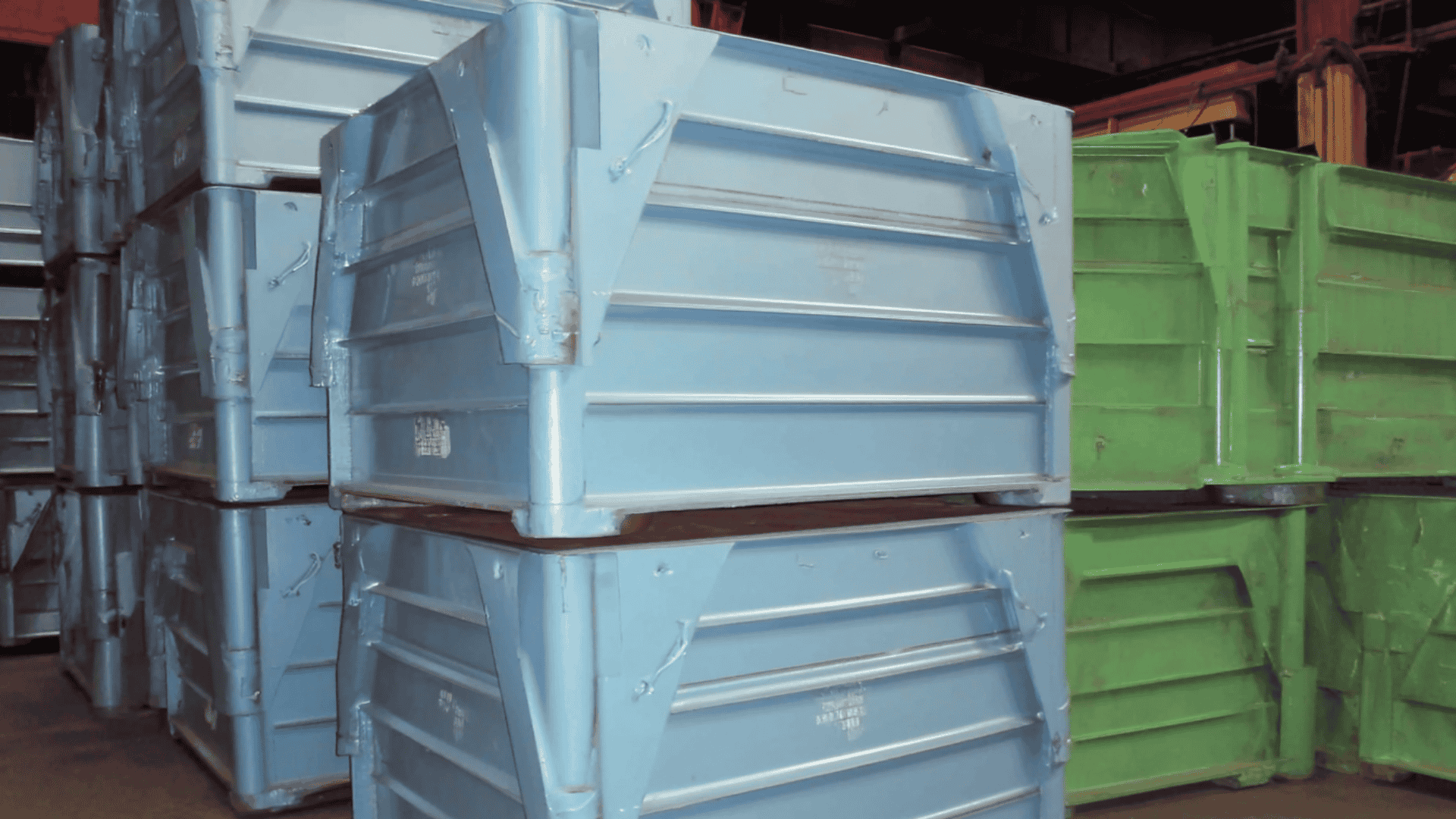
Corrugated steel containers offer significant cost savings and a strong return on investment (ROI) by reducing long-term operational expenses.
Long Lifespan: Steel containers typically offer a significantly longer service life than plastic or wood alternatives in heavy-use environments.
Minimal Maintenance: Rust-resistant and wear-resistant, reducing the need for repairs and replacements.
Reduced Product Damage: The durable design prevents product loss due to impact or contamination, leading to fewer write-offs.
Space Optimization: Containers can be stacked efficiently, increasing storage capacity without the need for additional warehouse space.
Lower Labor Costs: Ergonomic design reduces handling time, improving labor efficiency and cutting costs.
Faster Order Fulfillment: Improved organization and quick retrieval reduce processing time, enabling faster shipments and better throughput.
Investing in corrugated steel containers ensures lower maintenance, storage, and labor costs, providing a strong ROI over time.
Let’s explore the key factors to consider when selecting the ideal solution for your operations.
How to Select the Right Corrugated Steel Container for Your Warehouse?
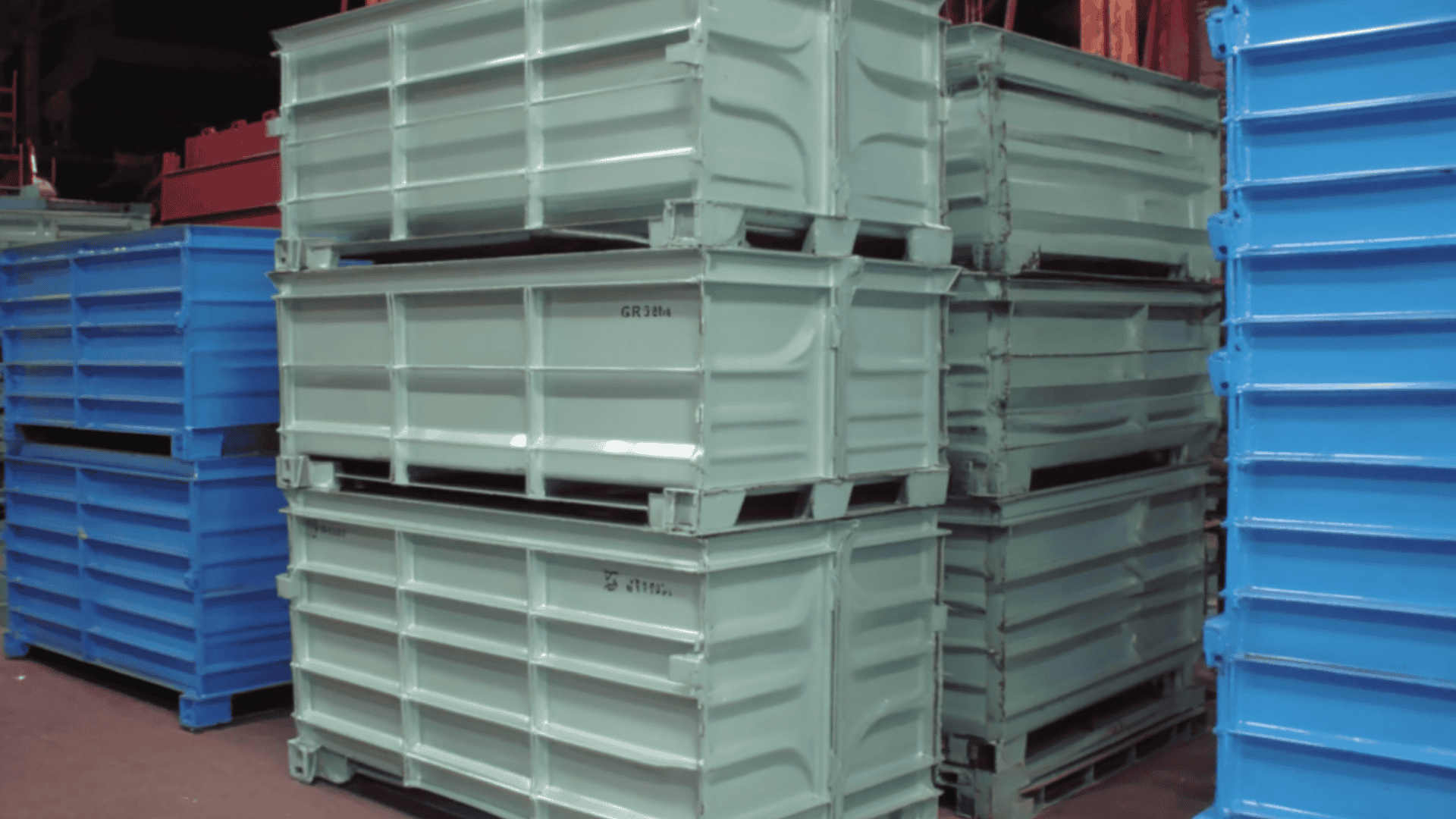
When selecting the ideal corrugated steel container for your warehouse, consider the following key specifications to ensure maximum efficiency and protection:
Size and Capacity:
Choose a container with the appropriate dimensions and load-bearing capacity to match your storage requirements.
Consider whether you need custom sizes for specific products or standardized sizes for uniform stacking.
Weight and Durability:
Select containers designed for the weight of the goods being stored, ensuring the container can handle heavy-duty use.
Opt for reinforced steel if you're dealing with heavier items like automotive parts or industrial tools.
Stackability:
Ensure the container is designed for stable stacking, with a stacking load rating that suits your warehouse’s height and space limitations.
Look for containers with racking compatibility if using shelving or automated systems.
Material Coating and Protection:
Choose containers with galvanized or corrosion-resistant coatings to protect goods from rust and environmental damage, especially in harsh conditions.
If storing sensitive materials, consider containers with protective linings to prevent contamination.
Accessibility:
Determine how easily the containers can be opened and accessed, particularly if they will be used in high-turnover areas.
Look for containers with removable lids or drop-side openings for easier loading and unloading.
Ergonomics and Handling Features:
Review access points and handling features to reduce awkward loading or unloading.
Ensure compatibility with forklifts, pallet jacks, and automated handling systems to streamline material movement.
By considering these factors, you can ensure you select the right corrugated steel container that fits your warehouse’s operational requirements, ultimately improving efficiency and reducing costs.
Why Choose Powell Systems for Corrugated Steel Containers?
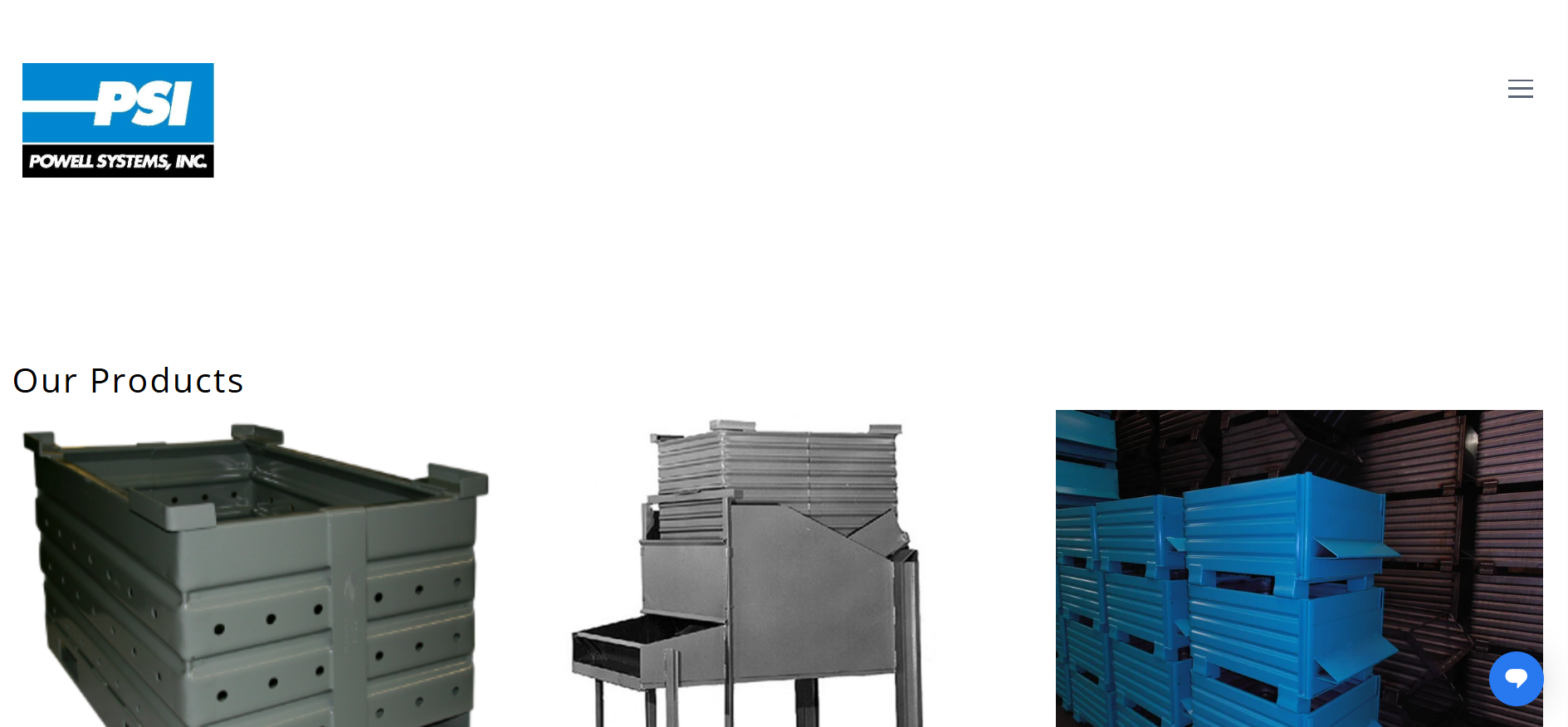
Powell Systems has over 100 years of experience in providing durable, high-quality corrugated steel containers for industrial applications. Serving the Midwest U.S., we manufacture corrugated steel containers designed to match the specific needs of your warehouse operations.
What We Offer:
Customizable Corrugated Steel Containers
Hot & Heavy "The Brute" for extreme-duty applications
Flowmatic® Containers for efficient material flow
B3 Smooth Sided Containers for contamination-free storage
Drop Bottom Containers for easy unloading
Platform and Tapered Nose Boxes for versatile storage solutions
We focus on providing reliable, long-lasting containers that optimize space, improve efficiency, and ensure product protection in your warehouse. Let us help streamline your operations with our proven solutions.
Wrapping Up
Corrugated steel containers improve warehouse efficiency by optimizing space, improving inventory management, and simplifying material handling. Their durability and customization options lead to long-term cost savings and better protection for goods, ensuring smoother workflows and increased safety.
Powell Systems provides custom corrugated steel containers designed to meet the unique needs of your warehouse operations. Serving the Midwest U.S., we offer durable solutions that improve efficiency and product protection.
Get a quote today to discover how our corrugated steel containers can support safer, more consistent industrial storage and material handling.
FAQs
Can corrugated steel containers be used for outdoor storage?
Corrugated steel containers are highly durable and can withstand outdoor conditions. When galvanized, they offer rust resistance, making them ideal for outdoor storage.
Are corrugated steel containers stackable?
Yes, these containers are designed to be stacked efficiently, helping to optimize warehouse space and organize products in a compact and accessible manner.
How do corrugated steel containers improve warehouse safety?
Their stable stacking capabilities, smooth edges, and non-slip bases significantly reduce the risk of accidents in busy warehouse environments, ensuring safer operations.
Can corrugated steel containers be customized for specific product types?
These containers are highly customizable, allowing adjustments in size, shape, and design to suit the unique needs of different industries and materials.
Do corrugated steel containers help with temperature-sensitive storage?
While not naturally insulated, corrugated steel containers are commonly used for temperature-tolerant industrial parts; specialized environments may require additional controls outside the container itself.