If you oversee material handling, you face daily pressure from awkward loads, unstable storage, hot parts, tight aisles, and constant production demands. When containers tip, stacks fail, or unloading requires manual dumping, injuries, damage, and delays quickly become recurring problems that are difficult to control.
Manual material handling remains the leading cause of non-fatal strain and sprain injuries, according to safety agencies that track workplace incident data. Back, shoulder, and hand injuries often trace back to poor storage practices, unstable containers, and tasks that force workers to lift or dump materials by hand.
In this blog, we’ll explore material handling and storage safety fundamentals, common hazards, and design choices that reduce risk before injuries occur. You’ll also see how container selection and the Prevention through Design concept support safer workflows, steadier storage, and more predictable daily operations.
Key Takeaways:
Many handling injuries start with container design, unstable storage, or tasks that require repeated manual lifting.
Material handling and storage safety improve when hazards are removed through system and equipment design.
Containers act as a primary safety control between workers and heavy, hot, or irregular materials.
Stable stacking, controlled discharge, and predictable material flow reduce daily risk on the plant floor.
Training works best when it supports handling systems designed to guide safe behavior automatically.
What Is Material Handling and Storage?
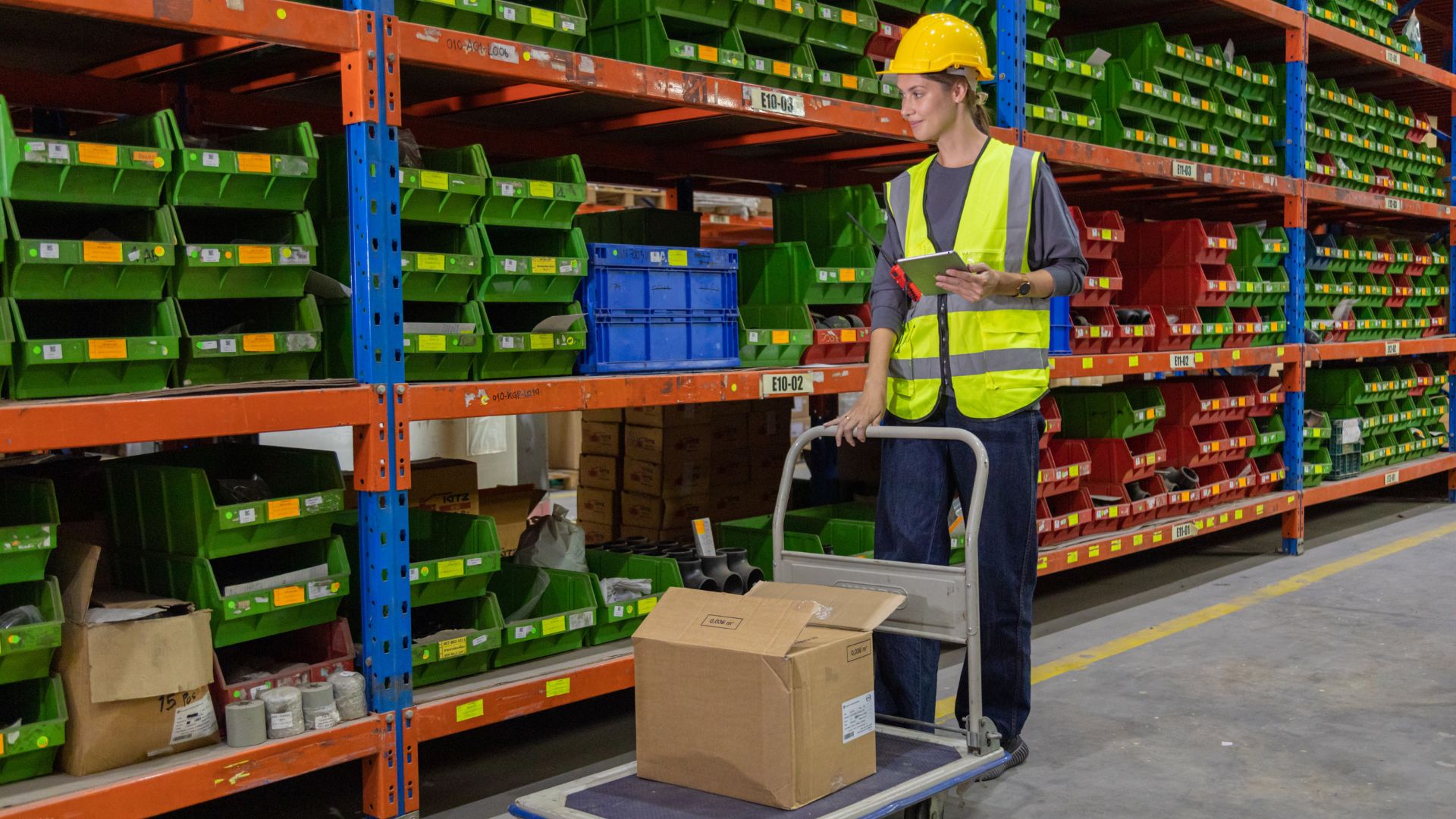
Material handling and storage refer to the coordinated movement, protection, staging, and holding of materials throughout manufacturing and warehouse operations. It covers every point where materials are lifted, moved, stacked, or stored, which directly affects worker safety and operational reliability.
Core Activities Involved
These activities form the backbone of daily production flow and create the most exposure to strain, impact, burn, and crush hazards. At a practical level, material handling and storage usually include the following core activities.
Lifting and carrying: Moving raw materials, parts, or assemblies manually or with mechanical assistance
Transporting materials: Shifting items between workstations, storage areas, and processes using carts, forklifts, or fixed handling systems.
Stacking and storing: Placing materials into racks, containers, or floor stacks while maintaining load stability and safe access.
Loading and unloading: Filling or emptying containers, pallets, or bins during production, inspection, shipping, or assembly activities.
In-process staging: Holding materials temporarily between operations to support workflow continuity and prevent congestion or unsafe piling.
Once you understand these activities, it becomes clear why even small handling decisions can influence injuries, downtime, and daily operating pressure.
Also Read: Container Management in Automotive Manufacturing
The Cost of Ignoring Material Handling and Storage Safety
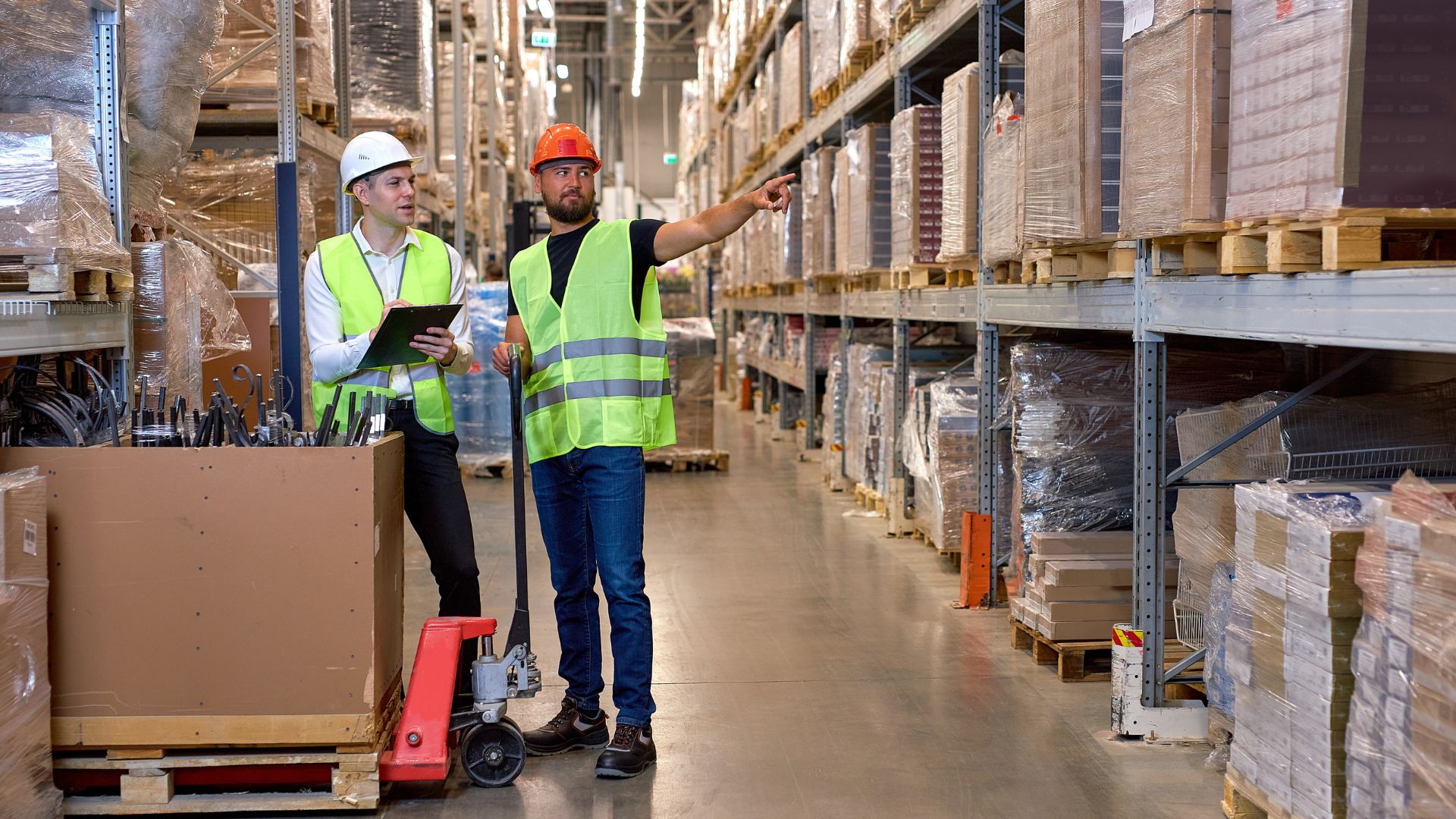
Material handling and storage safety affects far more than compliance, influencing injury rates, uptime, product quality, and daily operating stress. When handling systems or storage methods introduce risk, those problems surface quickly on the floor and compound over time.
The reasons safety matters most become clear when you look at the direct and indirect impacts below.
Worker injury prevention: Poor lifting conditions, unstable stacks, and unsafe unloading tasks lead to strains, crush injuries, and lost workdays.
Reduced downtime: Injuries, damaged materials, and blocked aisles interrupt production schedules and create unplanned stoppages.
Product protection: Inadequate storage and container design increase part damage, scrap, and rework during handling and staging.
Regulatory exposure: Unsafe storage practices and handling methods raise the risk of citations, inspections, and corrective actions.
Workforce confidence: Safer handling conditions improve morale and reduce hesitation during routine material movement tasks.
These consequences usually stem from a short list of recurring hazards that appear across many facilities, regardless of size or industry.
The Most Common Material Handling and Storage Hazards in Plants
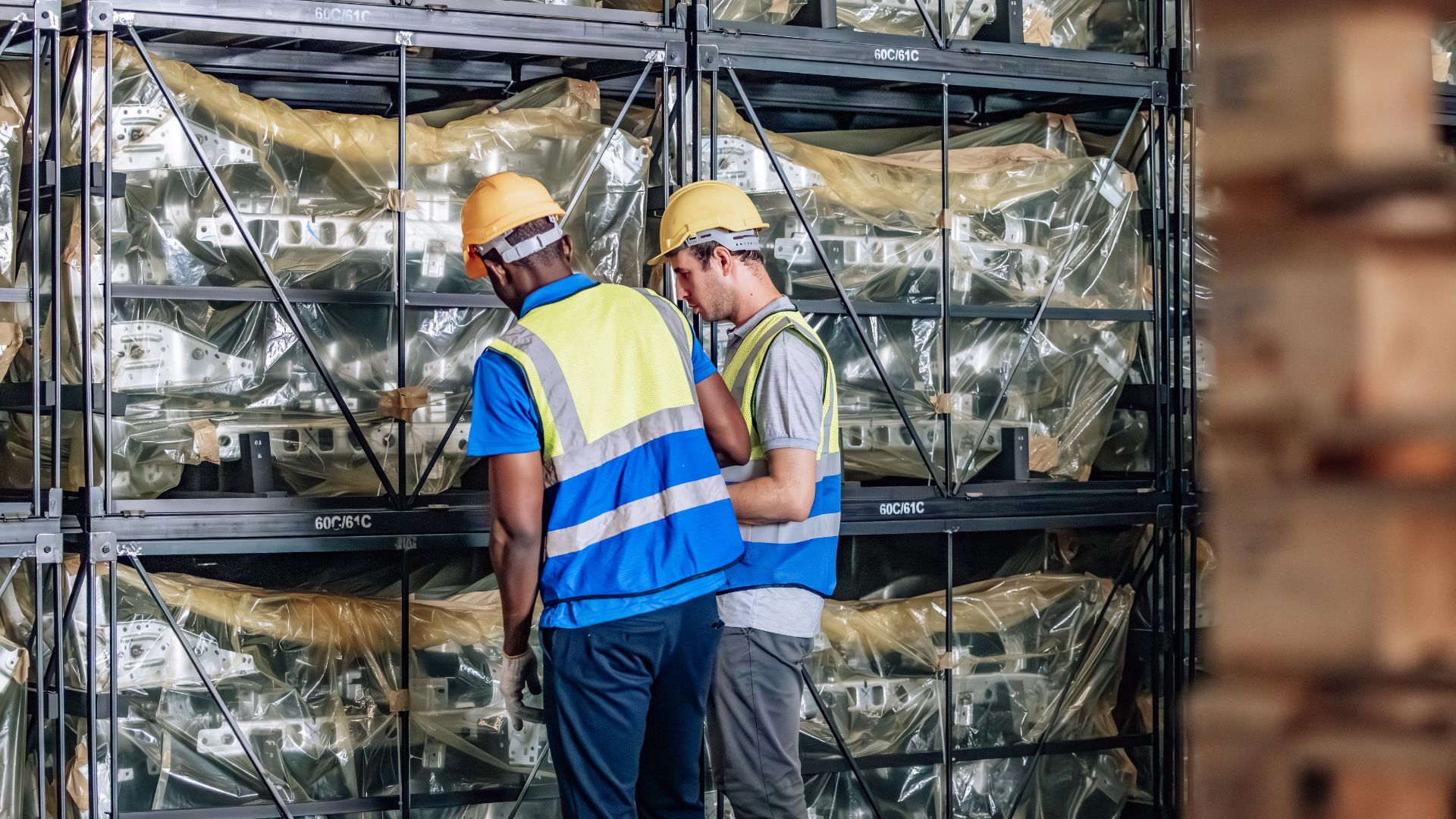
Material handling and storage hazards are conditions or practices that raise the risk of injury, product damage, or unplanned disruptions during daily operations. These hazards often appear routine, yet repeated exposure increases strain on workers and weakens overall safety across the facility.
Most industrial operations face a consistent set of risks, which can be grouped into the key hazard categories outlined below.
Manual Lifting and Overexertion:
Manual lifting remains the most common source of handling-related injuries across industrial environments. Reaching into deep containers, lifting heavy parts, or twisting while carrying loads places repeated stress on backs, shoulders, and joints.
Unstable Stacking and Collapsing Loads:
Unstable stacks form when containers lack proper stacking features or are mixed without regard for weight and geometry. Bent stacking legs, uneven floors, or mismatched containers shift load centers and increase the chance of sudden collapse.
Hot, Heavy, and Sharp Materials:
Certain materials introduce direct handling risk due to temperature, weight, or surface condition. Castings and forgings may retain significant heat, while stampings and forgings can expose workers to sharp edges during loading, unloading, and transport.
Congested Storage Areas and Poor Housekeeping:
Limited stacking capability often forces materials to spread across aisles and walkways. Crowded storage increases trip hazards, restricts emergency access, and raises the risk of forklift and pedestrian contact.
Cross-Contamination of Parts:
Small components and precision parts are vulnerable to debris transfer between containers. Improper storage allows stray pieces, oil, or scrap to mix with clean parts, creating quality and inspection issues downstream.
Addressing these risks requires more than awareness, starting with design-focused principles that limit strain and instability.
Also Read: Material Handling Container Types Every Plant Manager Should Know
Key Principles of Material Handling and Storage Safety
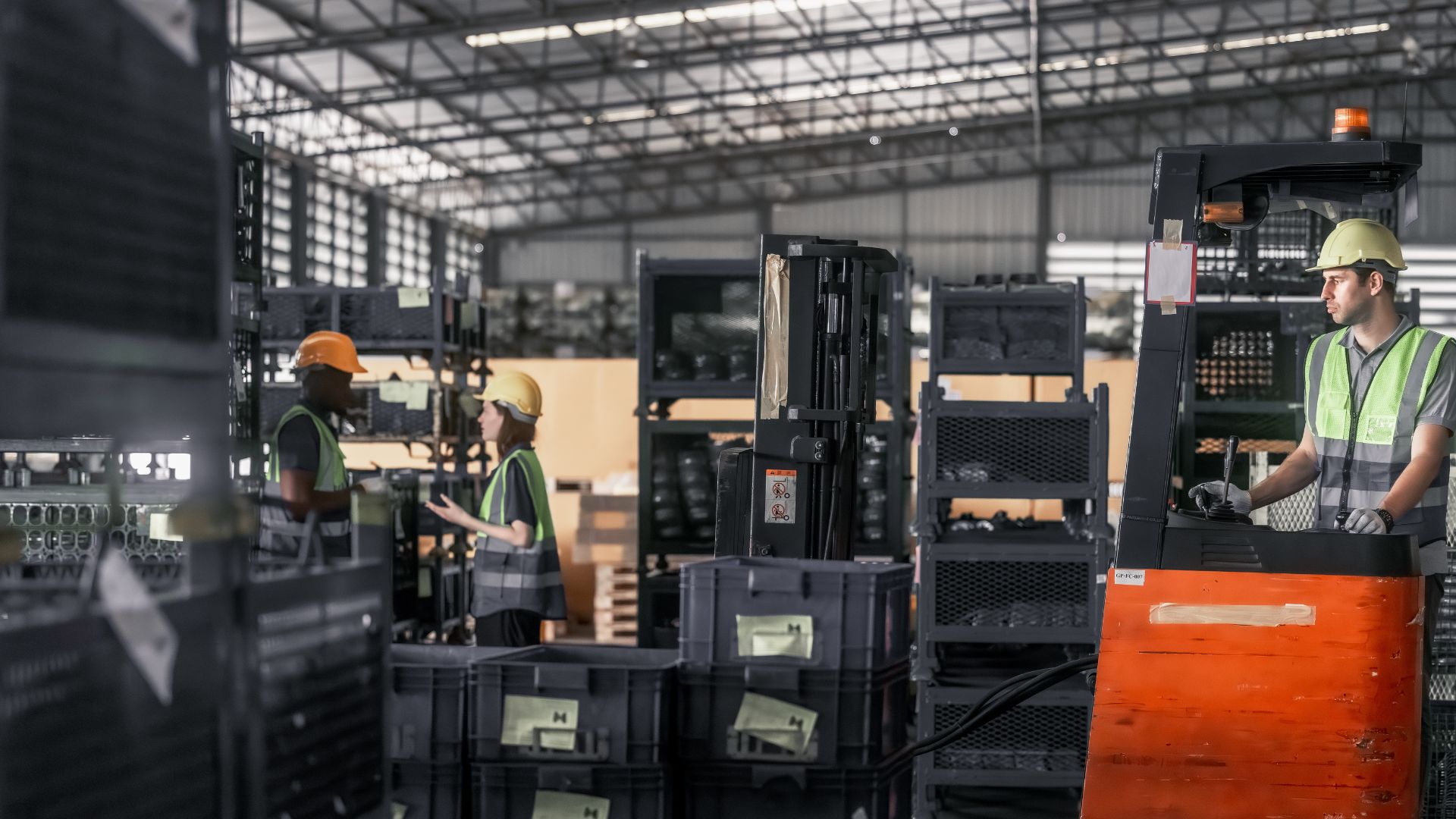
Safe material handling and storage depend on design choices that reduce physical strain and remove uncertainty from daily tasks. When systems are planned around how work actually happens, many common hazards can be avoided before training or supervision is required.
The following core principles form the foundation of safer handling and storage practices.
Reduce manual handling: Eliminate unnecessary lifting, reaching, and carrying by relying on mechanical aids and gravity-assisted movement wherever possible.
Improve stability and stackability: Use containers engineered for safe stacking so that weight transfers through the structure rather than the materials inside.
Control load behavior: Prevent tipping, shifting, or collapse by matching container design to part weight, shape, and handling method.
Design for controlled material flow: Replace manual dumping with discharge methods that release parts in a predictable and manageable manner.
Support consistent workflows: Apply the same container types and handling methods across operations to reduce variability and unexpected risks.
To make these principles consistent and reliable, safety must be built into handling systems rather than enforced through reminders.
How Prevention through Design Improves Material Handling Safety
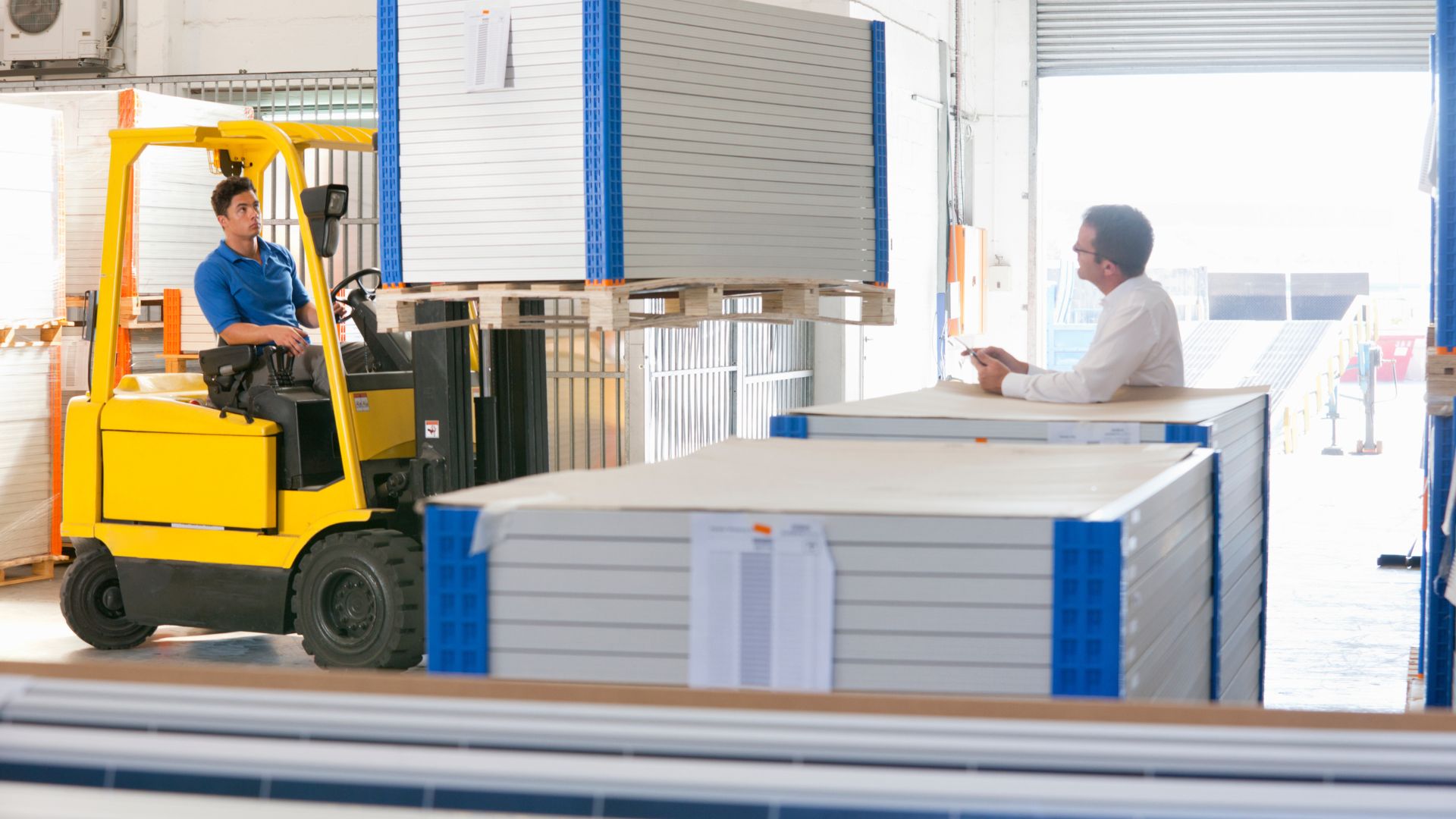
Prevention through Design (PtD) focuses on removing hazards during the design of equipment, containers, and workflows rather than managing risk after injuries occur. It shifts safety responsibility from worker behavior to the physical systems workers interact with every day.
This approach becomes clearer when broken into what PtD means, why it works better, and how it applies to material handling.
What Prevention through Design Means
PtD integrates safety directly into tools, containers, and material flow systems. Instead of relying on procedures or protective gear, hazards are reduced or removed through physical design choices.
Why Design-Based Controls Reduce Reliance on Training and PPE
Training and protective equipment depend on constant human attention and correct behavior. Design-based controls work automatically, even when workers are tired, distracted, or under time pressure.
Examples of PtD in Material Handling
PtD principles show up clearly in everyday handling and storage decisions.
Ergonomic design: Containers that position parts at waist height reduce bending and repeated strain during loading and unloading.
Controlled discharge: Drop-bottom or regulated openings prevent sudden dumping and uncontrolled movement of parts.
Stable stacking: Containers with built-in stacking features maintain vertical alignment and reduce collapse risk.
Predictable material flow: Gravity-assisted movement guides parts smoothly without manual force or abrupt handling.
Long-Term Impact of PtD-Based Systems
When safety is built into handling systems, injury rates fall without increasing procedural complexity. Operations benefit from steadier workflows, fewer disruptions, and more consistent day-to-day material movement.
Applying Prevention through Design naturally draws attention to container design as a primary control between workers and materials.
Why Containers Are Central to Material Handling Safety
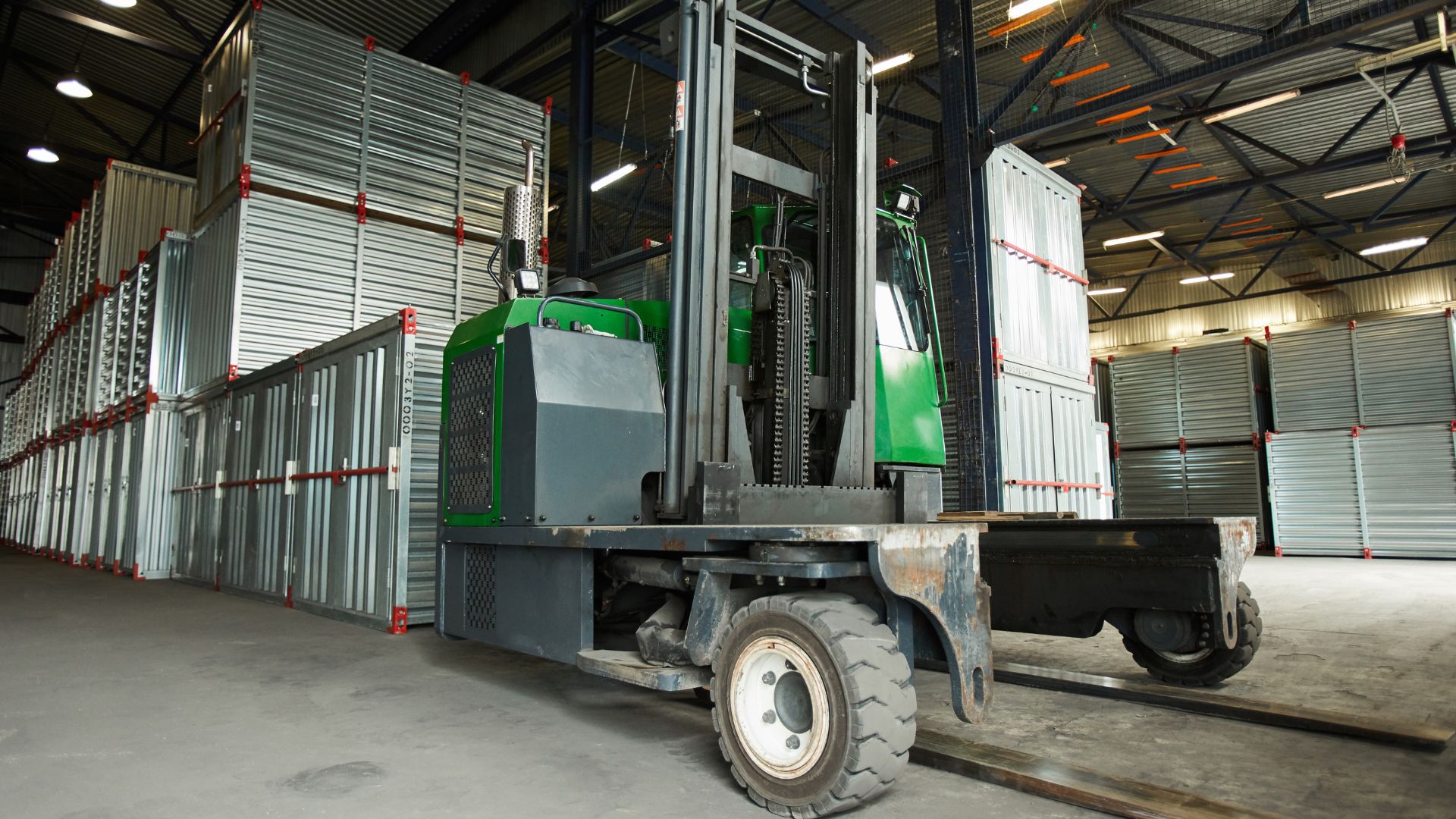
Within a Prevention through Design approach, the industrial container acts as a primary engineering control between materials and workers. Its design determines how loads behave, how materials are accessed, and how much risk exists during lifting, stacking, and storage.
Container safety becomes clearer when you look at the core design features that directly influence daily handling conditions.
Why Containers Matter for Safety
Containers are the point where workers interact most often with heavy, hot, or irregular materials. When container design falls short, workers compensate with manual force, improvised handling, and unsafe positioning.
Critical Safety Features in Industrial Containers
Structural strength: Containers must withstand the full weight and temperature of materials without bowing, splitting, or deforming.
Interlocking stacking features: Positive alignment between stacked containers prevents lateral movement during forklift contact or vibration.
Formed edges and clean interiors: Structured surfaces reduce cuts, snags, and part damage during loading and unloading
Equipment compatibility: Containers designed for specific forklifts and attachments reduce dropped loads caused by makeshift handling methods.
Well-designed containers make the safe action the easiest action for operators. When stacking is stable, access is predictable, and discharge is controlled, risk is reduced before workers touch the load.
Even with well-designed containers, storage practices determine whether stability, access, and clearance are consistently maintained.
Best Practices for Safe Material Storage in Industrial Facilities
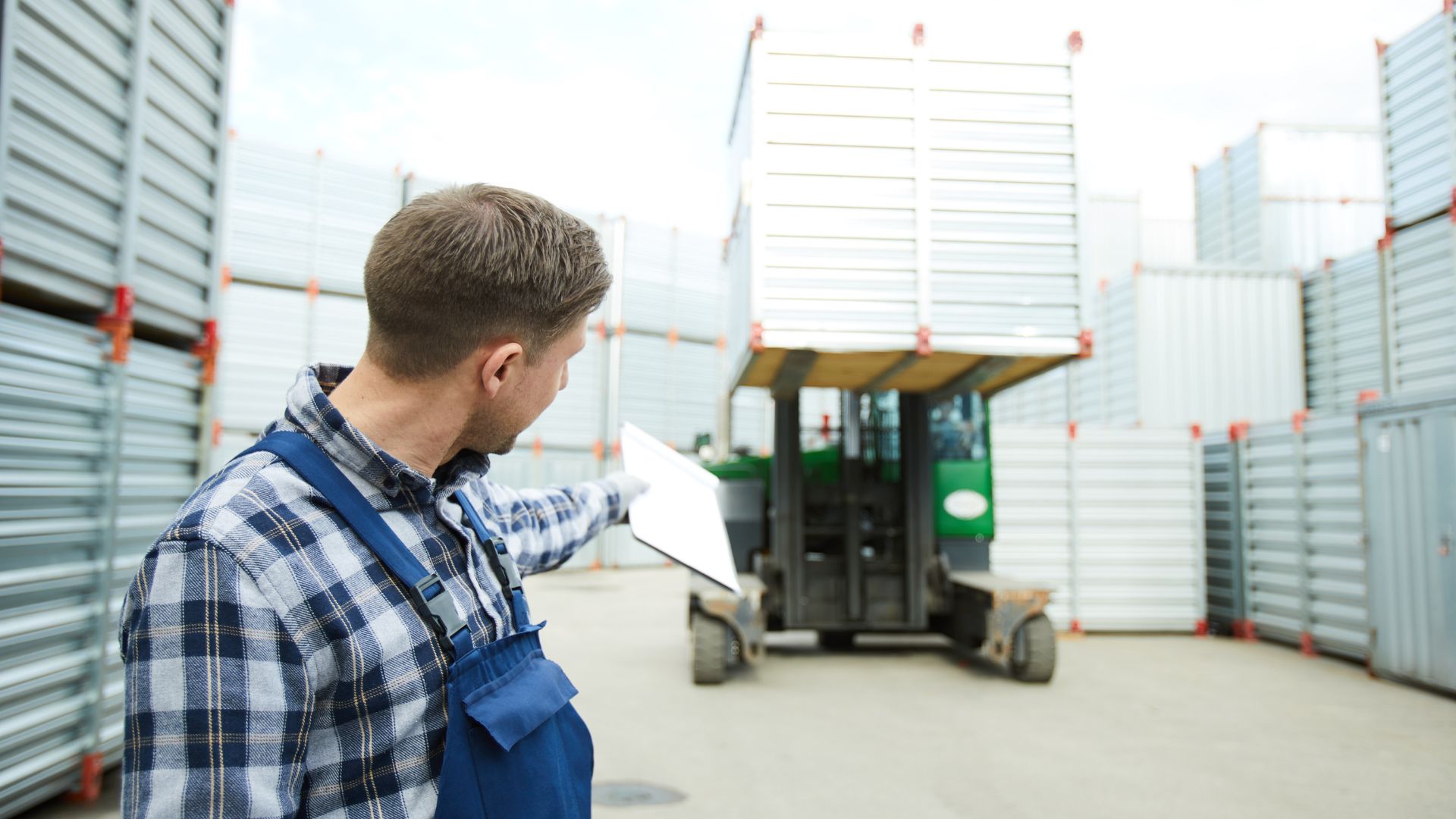
Safe storage depends on consistent rules that control how materials are stacked, separated, and maintained across the facility. Without clear practices, even well-designed containers can contribute to congestion, instability, and avoidable exposure.
The following storage practices help reduce risk and maintain predictable conditions on the floor.
Stacking height limits: Follow approved height-to-width ratios and place heavier loads at the bottom to maintain stability.
Balanced weight distribution: Load containers evenly so that the weight transfers through the structure rather than shifting during movement.
Material zoning: Separate in-process, finished, and scrap materials to reduce cross-traffic and handling confusion.
Fire clearance: Maintain required clearance below sprinkler heads and keep aisles and exits unobstructed.
High-temperature storage: Allow airflow around hot materials to reduce burn risk and protect floors and nearby equipment.
Housekeeping discipline: Keep storage areas clear of debris so walkways remain visible and handling paths stay unobstructed.
Storage safety also depends on how containers interact with forklifts, attachments, and other handling equipment during movement.
Keeping Material Handling Equipment and Systems Safe
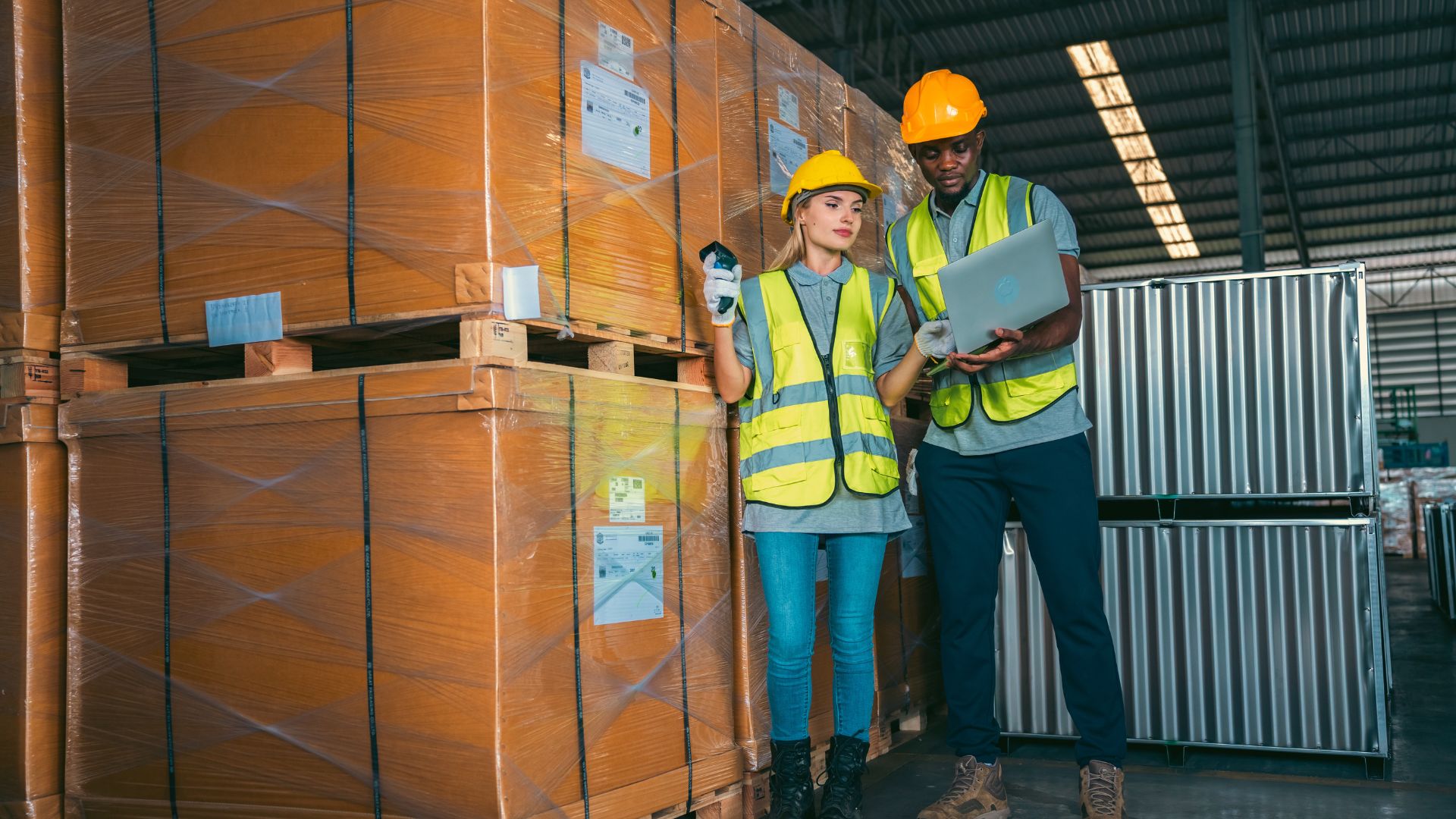
Handling equipment reduces physical strain, yet it introduces new risks when containers and machines are poorly matched. Most serious incidents occur at the point where containers, attachments, and moving equipment interact.
These risks can be reduced by focusing on the system as a whole rather than individual components.
Equipment role clarity: Forklifts, hoists, and automated vehicles should replace manual lifting without introducing instability or loss of load control.
Capacity matching: Equipment ratings must account for container size and extended load centers during lifting and transport.
Attachment compatibility: Rotators, clamps, and tipplers require containers reinforced for those forces to prevent crushing or dropped loads.
Container fit: Containers designed for specific equipment reduce makeshift handling and unsafe positioning during pickup and placement.
Routine inspections: Pre-shift checks should include containers, with damaged units removed from service immediately.
Even well-matched equipment and containers require clear procedures to ensure they are used as intended on every shift.
Training Practices That Reduce Handling Variability
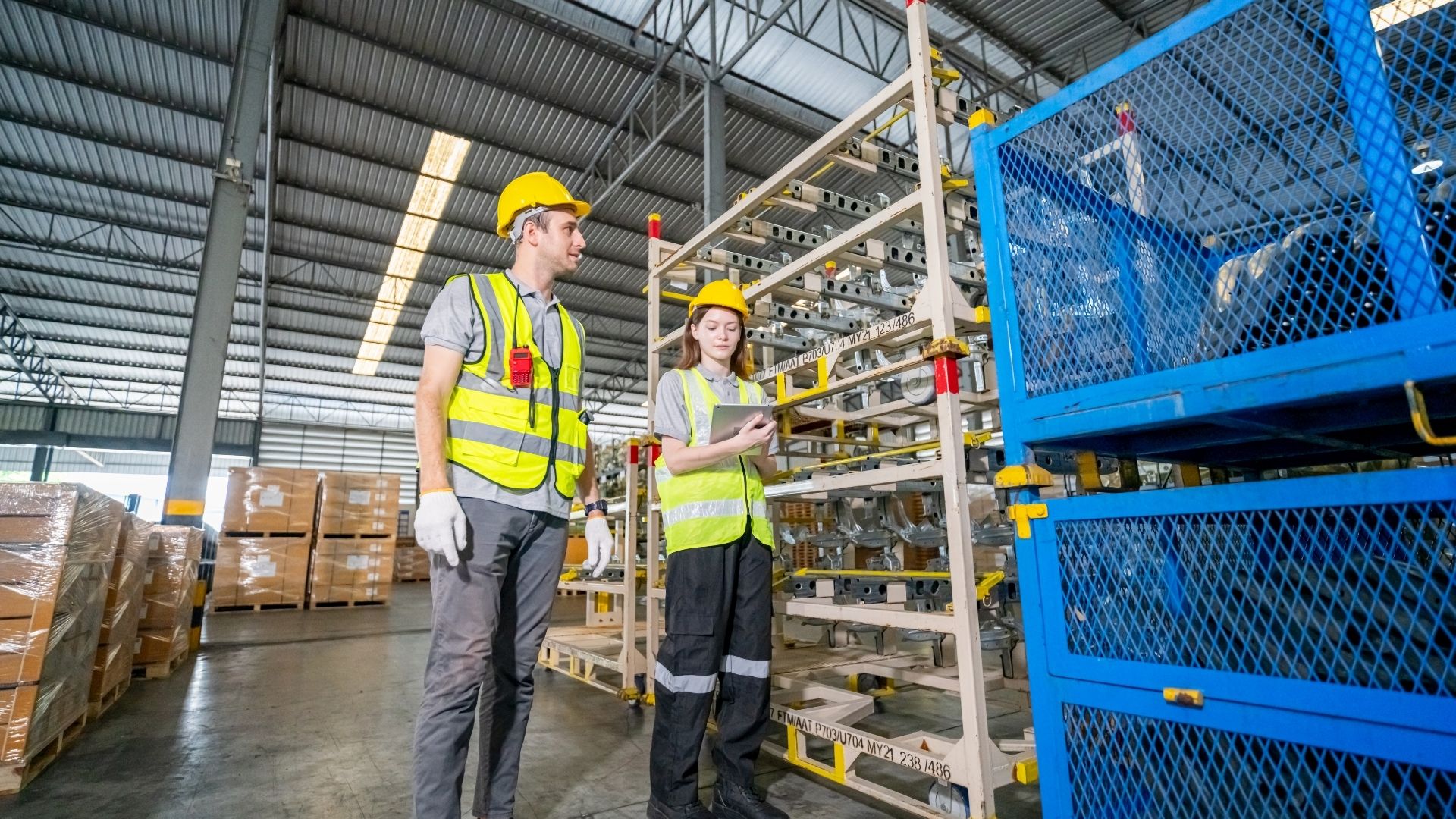
Training is most effective when it reinforces safety features already built into handling and storage systems. Clear procedures help workers use containers and equipment as intended rather than relying on judgment or habit.
These practices support safe design and reduce variation during daily operations.
Standard operating procedures: Written guidelines should define loading limits, stacking rules, and approved handling methods for each container type.
Safe loading practices: Operators should load materials evenly and avoid filling containers beyond their designed height.
Inspection awareness: Training should include how to spot bent legs, cracked welds, or other damage before a container is used.
Consistent staging methods: Materials should be placed in designated areas to prevent aisle blockage and unplanned movement.
Operator involvement: Workers who understand how container design reduces physical strain are more likely to follow procedures consistently.
Applying these concepts in practice often requires containers built to handle heat, weight, and repeated handling cycles.
How Powell Systems Supports Safer Material Handling?
Some material handling risks persist because standard containers are not designed for heat, weight, or repeated industrial handling cycles. With more than 100 years of experience, Powell Systems applies Prevention through Design principles to steel containers built for demanding manufacturing environments.
These solutions address specific hazards by building safety directly into the container structure and function.
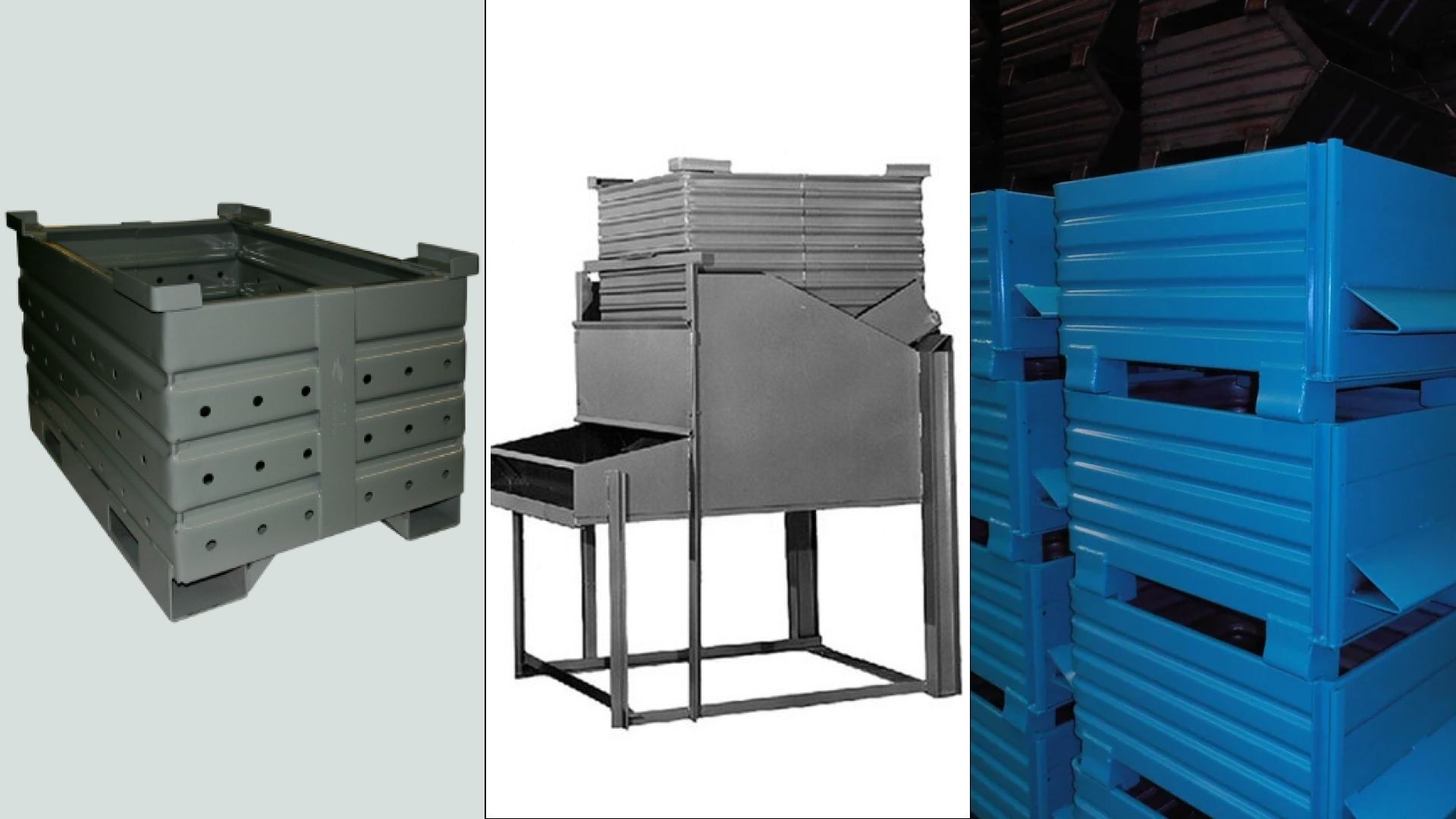
Heavy-duty containment: Containers such as Hot & Heavy “The Brute” are designed to hold hot castings, forgings, and heavy stampings without bowing or structural failure.
Controlled material discharge: Drop-bottom containers release parts through the base, keeping workers clear of pinch points and uncontrolled dumping zones.
Reduced bending and reaching: Flowmatic® gravity-feed containers present parts at operator height, limiting repeated strain during assembly and inspection tasks.
Contamination prevention: B3 “Smooth Sided” containers remove interior seams and sharp edges that trap debris or damage small precision components.
Custom safety solutions: When part geometry, temperature, or workflow introduces unusual risk, containers are engineered to match those exact conditions.
If your operation handles hot, heavy, or hard-to-manage materials, a purpose-built container can close critical safety gaps.
Request a quote to review container options matched to your handling and storage requirements.
Conclusion
Material handling and storage safety improve when hazards are addressed at the design level rather than managed after injuries occur. Stable containers, controlled material flow, clear storage practices, and system-based thinking reduce daily risk for workers and operations alike.
If your facility faces recurring handling injuries, unstable storage, or material flow challenges, the right container design can make a measurable difference. Contact Powell Systems to discuss your application and request a quote for steel containers designed to reduce handling risk.
FAQs
How often should industrial containers be replaced or upgraded?
Containers should be reviewed on a regular schedule and replaced when structural wear, deformation, or repeated repairs affect load stability or handling safety. High-heat or heavy-load applications often shorten container service life.
Are steel containers always safer than plastic or wood?
Steel containers are better suited for heavy, hot, or sharp materials, while plastic or wood may be acceptable for lighter, low-risk parts. The safest option depends on material weight, temperature, and handling frequency.
What signs indicate a container is no longer safe to use?
Bent stacking legs, cracked welds, uneven bases, and difficulty during forklift pickup signal that a container should be removed from service. Using damaged containers increases the risk of collapse and drop.
Can container design affect forklift and pedestrian traffic safety?
Yes, container size and stacking behavior influence aisle width, sightlines, and traffic flow. Poor container selection can reduce visibility and increase the risk of collisions between forklifts and pedestrians.
How should safety teams evaluate containers during facility audits?
Audits should include container condition, stack alignment, load ratings, equipment compatibility, and storage layout. Reviewing containers alongside equipment reveals risks that isolated inspections often miss.