Raw material storage in the automotive industry plays a crucial role in maintaining efficient production workflows, especially as the industry experiences rapid growth. With the automotive materials market valued at USD 218.83B in 2026 and projected to reach USD 518.15B by 2032, the need for efficient, scalable storage solutions has never been more urgent.
As you scale operations to meet this growing demand, challenges like space constraints, inventory errors, and safety risks become increasingly significant. These challenges lead to delays, higher operational costs, and reduced throughput in production lines, all of which impact profitability.
To keep up with the rising demands, selecting the right raw material storage methods and container systems is essential. This article outlines effective approaches to optimize your storage systems, reduce waste, and enhance overall efficiency in the automotive sector.
At a glance
Efficient raw material storage is essential for reducing costs, improving safety, and optimizing production flow in the automotive industry.
Key storage methods include optimizing container layout, using stackable steel containers, and supporting efficient material flow through gravity-fed systems.
Gravity-feed systems help streamline material movement, while real-time inventory tracking improves accuracy and reduces stock discrepancies.
Safety, compliance, and sustainability are vital in maintaining effective storage systems.
Custom storage solutions personalized to specific materials improve handling efficiency and space utilization.
Importance of Raw Material Storage in the Automotive Industry
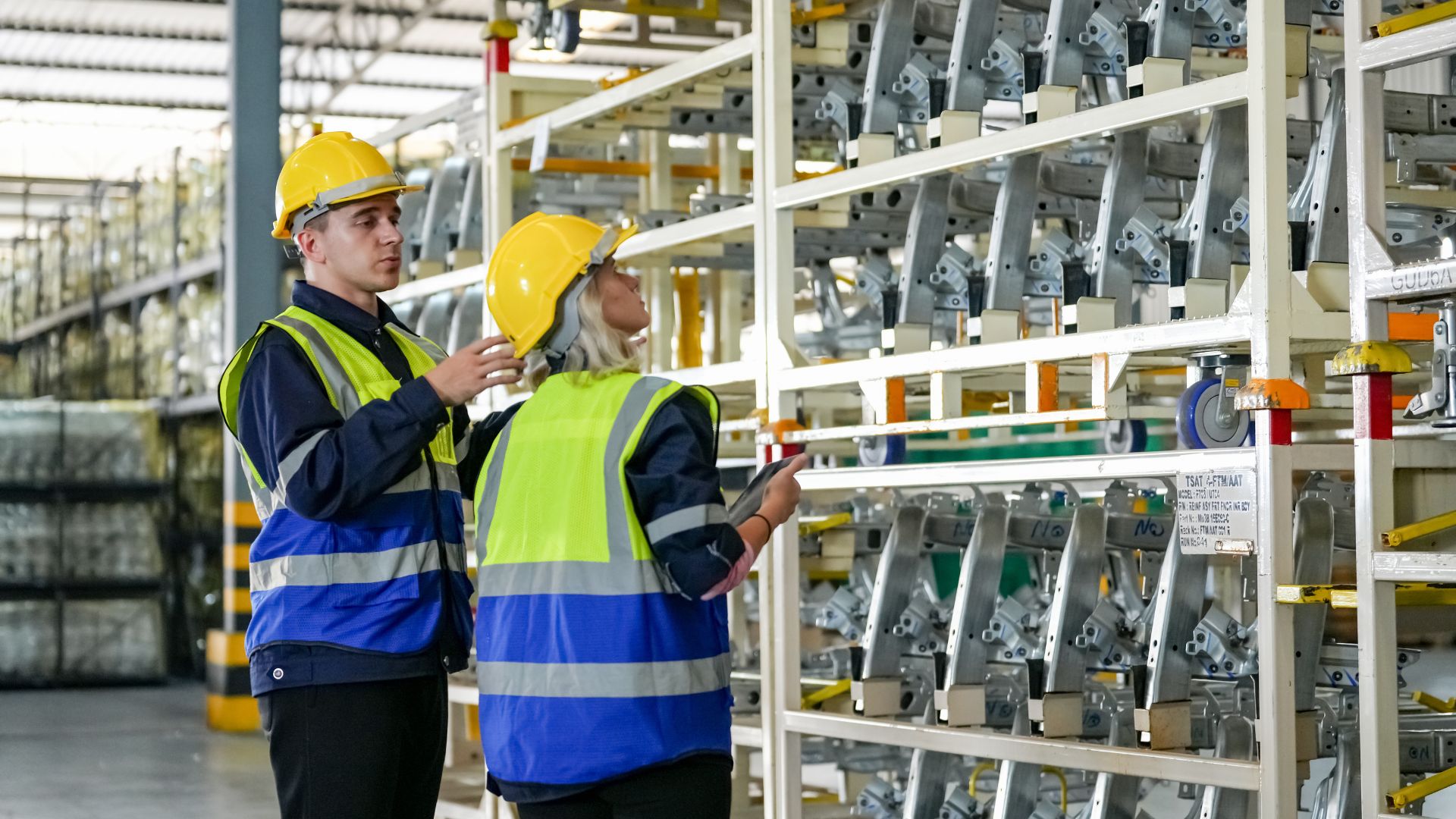
Efficient raw material storage is vital in the automotive industry as it directly impacts production flow, costs, and safety. Proper storage systems ensure materials are easily accessible, reduce damage, and minimize delays in production.
Minimized Production Downtime: Efficient raw material storage prevents delays by ensuring materials are readily available when needed, reducing production halts.
Enhanced Safety: Proper storage reduces the risk of accidents, such as material spillage or contamination, ensuring compliance with safety regulations.
Space Optimization: Effective storage solutions maximize warehouse space, improving overall storage capacity without the need for additional floor space.
Cost Reduction: By minimizing waste and preventing damage to materials, optimized storage systems reduce overall operational costs in the long term.
Improved Inventory Management: Well-organized storage helps track raw materials accurately, reducing the chances of overstocking or running out of crucial components.
Compliance with Industry Standards: Automotive manufacturers must adhere to U.S. regulations like OSHA for workplace safety and EPA and OSHA guidelines for handling and storing regulated materials. Proper storage ensures compliance, helping avoid fines and legal issues.
With the importance of efficient storage clearly outlined, it's crucial to explore the strategies that can help you optimize your raw material storage system and address the challenges that come with it.
8 Strategies for Automotive Industry Raw Material Storage
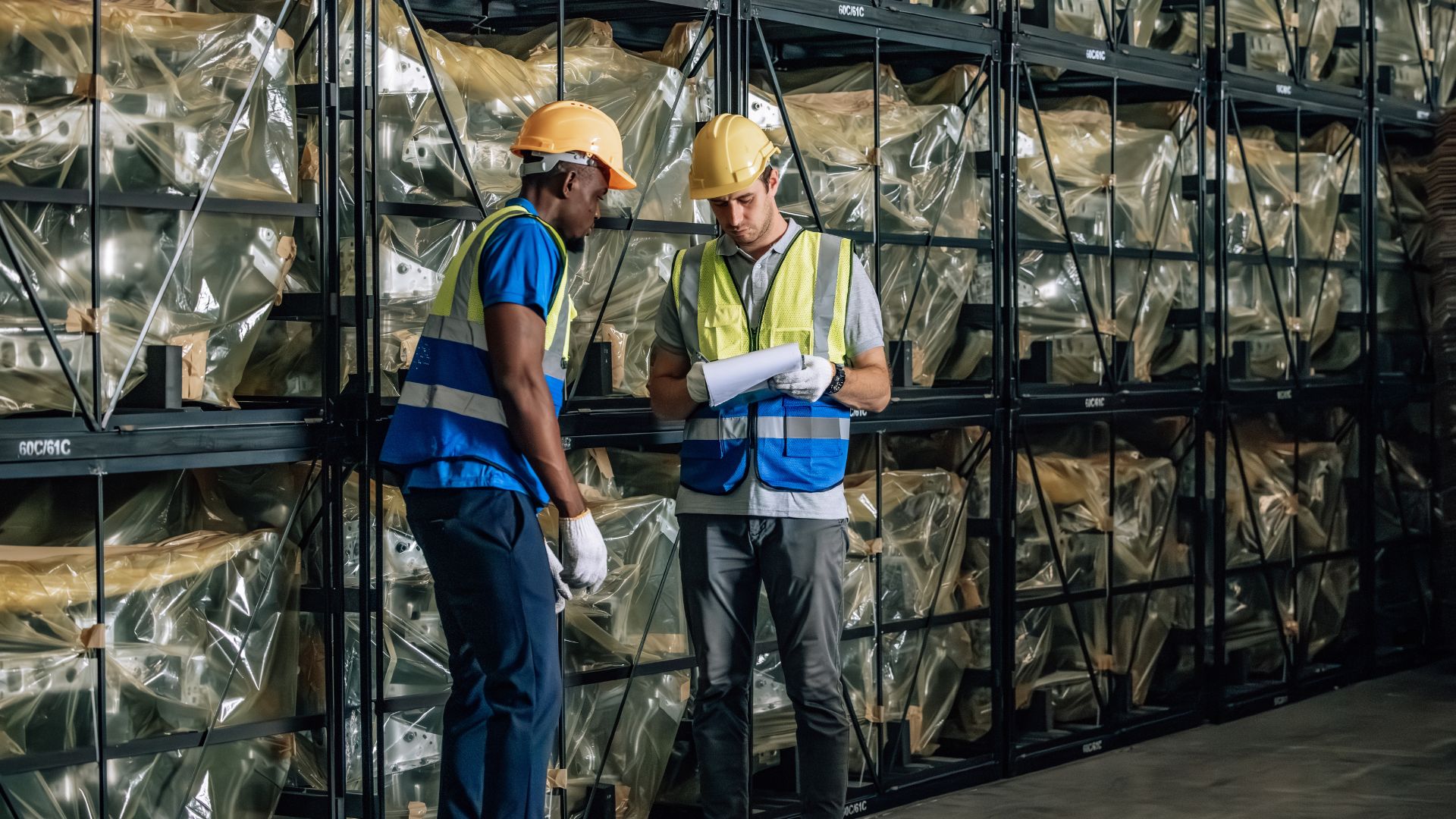
Effective raw material storage strategies are crucial for optimizing space, reducing costs, and improving safety in automotive manufacturing. With the growing complexity of materials and production demands, having a streamlined storage system can make a significant impact on overall operational efficiency.
Below are key strategies to improve raw material storage in the automotive industry:
Optimizing Warehouse Layout for Space Utilization
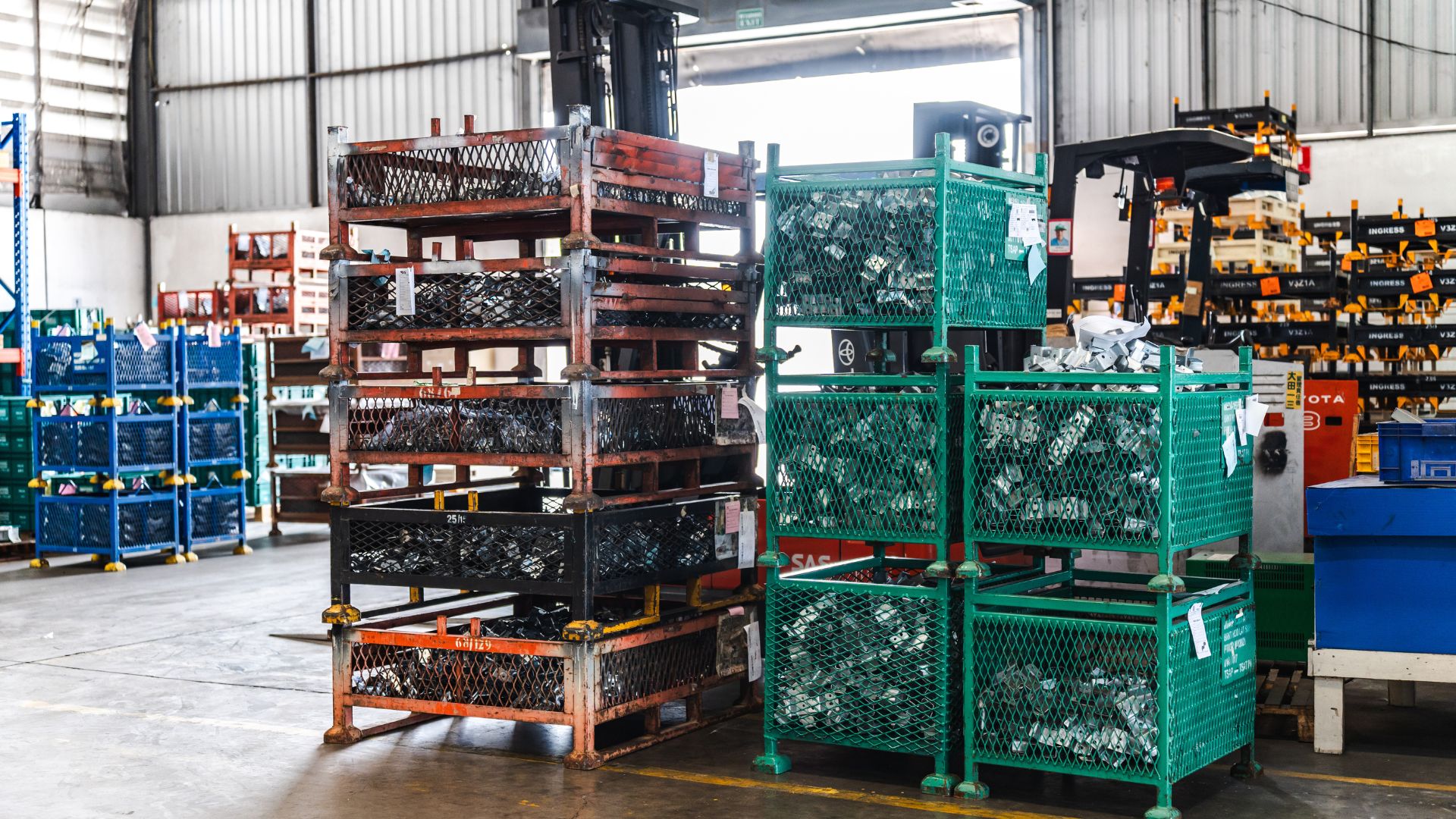
An efficient storage layout built around stackable steel containers maximizes available floor space while maintaining safe access to raw materials. Poorly organized warehouses lead to wasted space, increased time spent searching for materials, and higher storage costs.
How to Implement It:
Design Vertical Storage: Use stackable containers to take advantage of vertical space, especially for bulky items.
Create Clearly Defined Zones: Allocate specific areas for different material types (e.g., castings, precision parts) to avoid clutter and confusion.
Optimize Aisle Widths: Ensure aisles are wide enough for smooth movement of materials without sacrificing storage space.
Supporting Lean Material Flow with the Right Containers
JIT systems help reduce excess inventory, which leads to better space utilization and lower storage costs. By receiving materials only when they are needed in production, manufacturers can maintain lean operations and avoid material overstocking.
How to Implement It:
Coordinate with Suppliers: Work closely with suppliers to ensure that materials are delivered precisely when needed.
Use Inventory Management Software: Implement real-time inventory systems to track material usage and forecast needs accurately.
Optimize Lead Times: Fine-tune your supply chain to ensure timely material arrivals, minimizing storage duration.
Utilizing Automation for Efficient Material Handling
Automating material handling reduces the need for manual labor, increases speed, and minimizes human error. This not only improves efficiency but also reduces the physical strain on workers, improving safety.
How to Implement It:
Invest in Conveyor Systems: Use automated conveyors to move raw materials between storage and production areas.
Adopt Automated Guided Vehicles (AGVs): Use container designs compatible with forklifts, lift trucks, and automated handling equipment already in use.
Integrate Robotics: Use robotic arms to load, unload, and sort materials in the warehouse, reducing human involvement in repetitive tasks.
Using Gravity-Feed Containers to Improve Material Flow
Gravity-feed systems eliminate manual handling, allowing materials to flow naturally from one point to another. This minimizes labor costs, reduces handling time, and enhances the overall efficiency of production.
How to Implement It:
Install Flowmatic® Containers: Use gravity-feed containers like Powell’s Flowmatic® systems, which are designed to move materials smoothly through production without requiring manual labor.
Configure Sloped Tracks: Set up sloped tracks to guide materials toward workstations, ensuring easy access and reducing handling time.
Adopting Real-Time Inventory Tracking Systems
Real-time tracking ensures that inventory levels are always up-to-date, reducing the likelihood of stockouts or overstocking. It helps improve material availability and prevents production delays caused by inventory discrepancies.
How to Implement It:
Deploy RFID or Barcode Scanning: Use RFID tags or barcode systems to track materials as they move through the warehouse and production line.
Integrate with ERP Systems: Sync real-time tracking with your Enterprise Resource Planning (ERP) system for seamless inventory management.
Regular Audits: Conduct periodic checks to ensure that the tracking system is accurate and all materials are accounted for.
Prioritizing Safety and Compliance in Storage
Proper storage ensures that safety standards are met, especially for hazardous materials. Non-compliance can result in fines, production delays, and accidents, all of which impact the bottom line.
How to Implement It:
Follow OSHA Guidelines: Adhere to OSHA regulations for safe storage, such as proper stacking methods and the use of steel containers designed to safely handle heavy or hot materials.
Install Safety Signage: Clearly label hazardous materials and provide safety instructions for handling and storage.
Use Containment Systems: Employ containment trays and spill control systems for materials that could leak or spill, such as chemicals or oils.
Implementing Sustainable Storage Solutions
Sustainable storage solutions not only contribute to environmental goals but also offer cost savings in the long term. Eco-friendly practices, such as using recyclable containers and reducing waste, are becoming increasingly important in the automotive industry.
How to Implement It:
Use Recyclable Storage Containers: Use durable, recyclable steel containers with long service life to reduce waste and replacement frequency.
Optimize Packaging: Reduce the use of excessive packaging materials by utilizing bulk storage and efficient packing methods.
Implement Energy-Efficient Systems: Use energy-efficient lighting and climate control systems in warehouses to reduce environmental impact.
Customizing Storage Solutions for Specific Raw Materials
Each raw material in the automotive industry has unique storage needs. Custom solutions ensure that materials are handled properly, preventing damage and maintaining quality.
How to Implement It:
Design Custom Containers: Custom steel containers designed around specific raw material requirements
Integrate with Workstations: Design containers that can be integrated with production line workstations for easy access and efficient handling.
Monitor Storage Conditions: For sensitive materials, ensure that temperature-controlled storage and humidity monitoring are implemented to maintain material integrity.
By applying these strategies, you can make significant improvements in raw material storage.
Now, let's explore how Powell Systems can specifically improve your storage approach with customized solutions for the automotive industry.
How Can Powell Systems Improve Your Raw Material Storage?
At Powell Systems, we specialize in providing custom-engineered storage solutions for the automotive industry. Serving primarily the Midwestern U.S., including Indiana, Ohio, and Michigan, Powell Systems designs and manufactures steel containers used to store and handle raw materials in demanding automotive environments.
Our expertise ensures that raw materials are stored efficiently, safely, and in compliance with industry standards.
What We Offer:
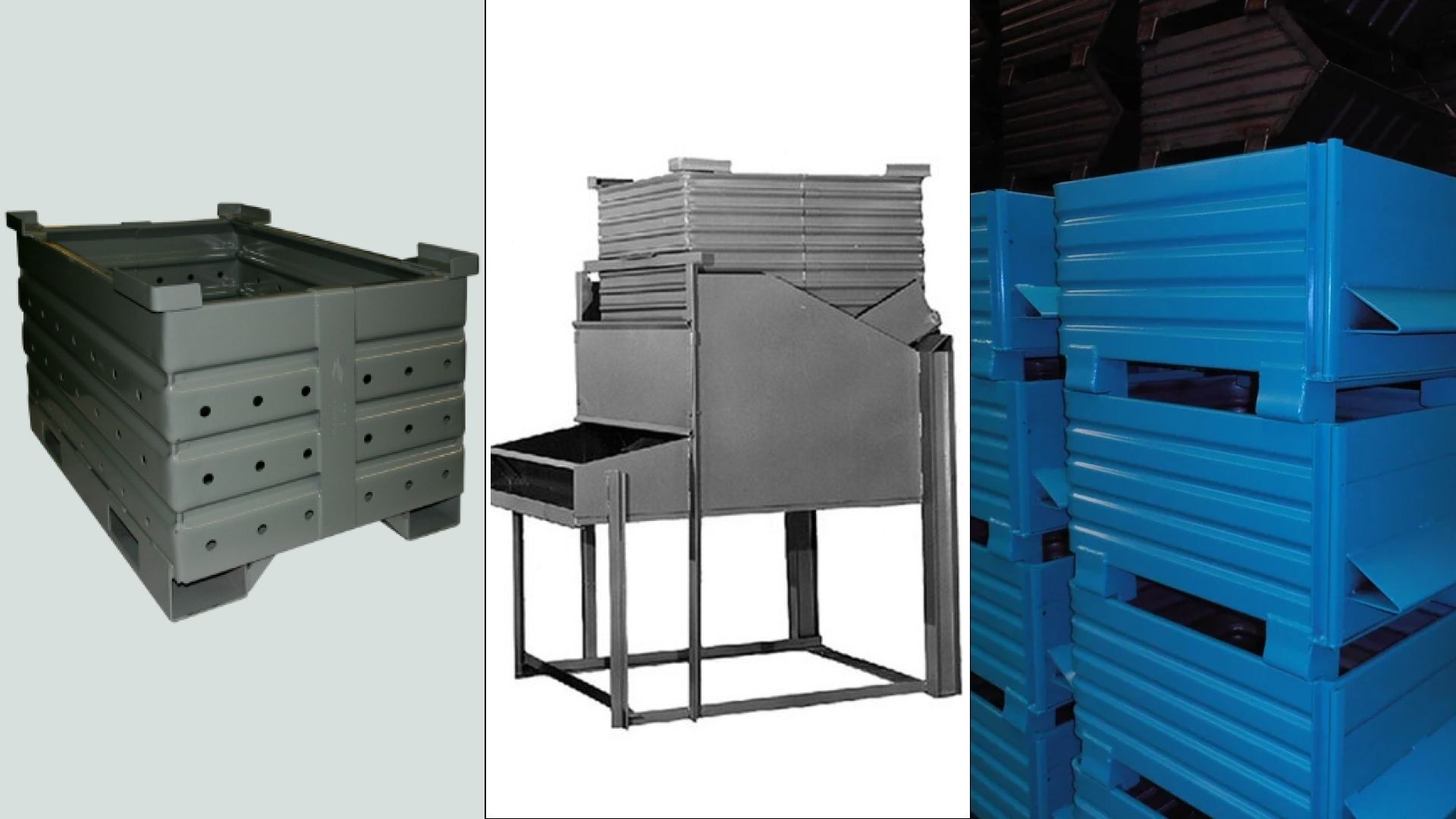
Hot & Heavy “The Brute” containers for heavy-duty, heat-resistant storage.
Flowmatic® Gravity-Feed Systems to streamline material flow with minimal handling.
B3 “Smooth Sided” Containers for contamination-free storage of small parts.
Custom Storage Solutions designed to meet specific raw material needs.
Platform Boxes for heavy industrial loads and optimized space usage.
Roll-Over Containers for safer, controlled dumping of materials.
By choosing Powell Systems, you gain access to reliable, durable storage solutions that optimize your raw material storage and improve your production efficiency. Let us help you create a more efficient and cost-effective storage system today.
Wrapping Up
Optimizing raw material storage in the automotive industry improves efficiency, reduces costs, and ensures safety. By implementing strategies like space optimization, automation, and real-time tracking, manufacturers can streamline their storage processes and improve overall production flow.
Powell Systems provides customized storage solutions designed to meet the specific needs of automotive manufacturers. Our expertise helps improve material handling, maximize space, and ensure compliance with industry standards, all while enhancing operational efficiency.
Contact us today to learn how Powell Systems can help optimize your raw material storage and improve your production efficiency.
FAQs
What are the benefits of implementing Just-in-Time (JIT) inventory systems in automotive manufacturing?
JIT systems help reduce excess inventory and lower storage costs by ensuring materials are delivered only when needed. This optimizes space and minimizes waste in the production process.
How does automation impact raw material storage in the automotive industry?
Automation improves material handling efficiency, speeds up operations, and reduces human error. It helps streamline production while lowering labor costs by automating tasks like material movement and sorting.
What is the role of gravity-feed systems in raw material storage?
Gravity-feed systems ensure smooth, continuous material flow without requiring manual handling. This improves efficiency by reducing material handling time and minimizing errors in production.
How can real-time inventory tracking systems improve raw material management?
Real-time inventory tracking provides accurate data on material availability, preventing shortages or overstocking. This helps streamline the supply chain and reduce delays in the production process.
Are there eco-friendly raw material storage solutions for automotive manufacturers?
Yes, automotive manufacturers can use recyclable containers and optimize storage to reduce waste. Implementing these sustainable practices lowers environmental impact and improves corporate responsibility.