Every day, you deal with heavy parts, tight floor space, safety risks, and pressure to keep production moving. When containers fail, stack poorly, or slow down handling, the impact shows up fast in delays, rework, and frustrated crews on the floor. You are not choosing containers for convenience; you are choosing them to keep operations stable and predictable.
Material flow problems are not minor issues. Research shows that the effects of a material disruption can cost more than 30% of an organization’s revenue, making container decisions far more than a purchasing detail. When parts are damaged, mixed, or hard to access, the cost spreads across labor, quality, and missed output.
This article explains the main types of material handling containers used in heavy industrial environments, why container selection matters, and how different steel container designs support specific manufacturing applications.
Key Takeaways:
Container selection affects safety, part quality, storage space, and daily handling across the plant.
Corrugated steel remains the preferred material for heavy loads, heat exposure, and repeated use.
Different container types are designed for specific tasks such as assembly feeding, scrap dumping, or fastener control.
Matching container design to the application helps reduce handling risk and part mixing.
Long service life and repair options make steel containers a practical long-term investment.
Why Container Selection Matters in Heavy Industrial Environments
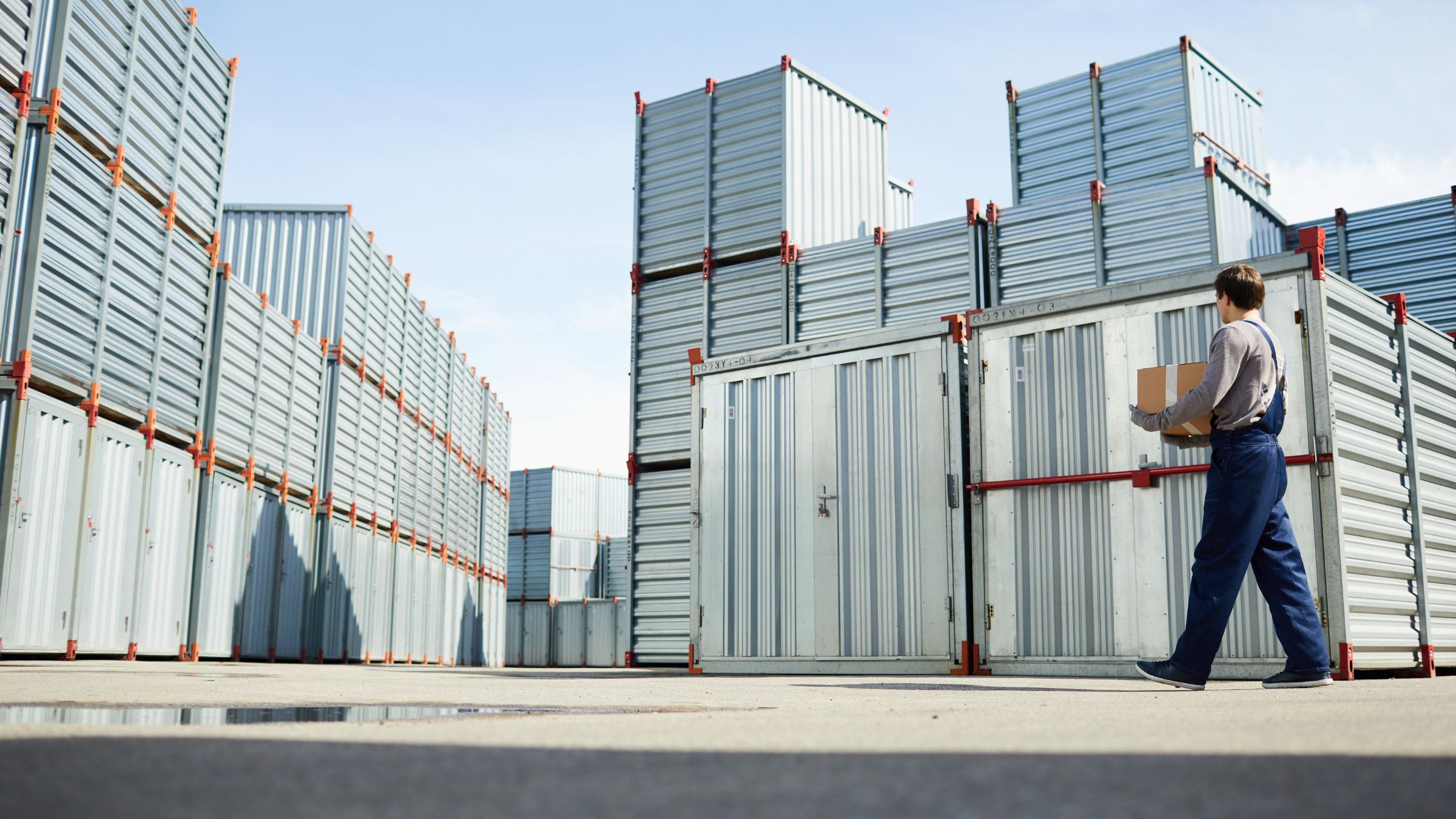
Material handling containers are engineered units used to store, move, stack, and discharge industrial parts during production and storage. Unlike generic bins or pallets, these containers are designed around load limits, handling methods, and the physical demands of industrial operations.
In heavy industry, containers play a direct role in how work gets done. Foundries, forging shops, automotive plants, and metalworking facilities depend on containers that can handle weight, heat, and repeated movement without creating risk. The wrong container choice not only slows work but also creates safety concerns, quality issues, and space problems across the facility.
Here are the main factors that make container selection a critical decision in industrial environments:
Load weight and density:
A container holding dense metal parts faces far more stress than one carrying lightweight components. The steel gauge, corrugation depth, and structural design must support both static loads and the forces created during forklift transport. When capacity is underestimated, walls can buckle, and stacks can fail.
Heat and thermal exposure:
In foundries and forging operations, parts are often placed into containers while still hot. Standard designs may warp or weaken under this stress. Containers used in these settings must tolerate heat without losing shape or strength.
Worker safety and ergonomics:
The container design affects how operators interact with parts. Deep walls can force repeated bending and reaching, increasing strain and injury risk. Containers that support controlled discharge or bring parts closer to waist height reduce physical stress during daily tasks.
Floor space and stacking needs:
Storage space is limited in most plants. Containers that stack safely allow you to hold more inventory without expanding the footprint. This depends on well-designed stacking legs and consistent geometry that keeps loads stable at height.
Contamination and quality control:
For small parts like nuts, bolts, and washers, stray pieces can cause serious problems. Containers with gaps, crevices, or exposed cavities allow parts to hide and later mix with other batches. Designs that eliminate hiding spots support cleaner handling and better lot control.
These selection challenges point directly to material choice, which plays a major role in container performance and longevity.
Why Steel Containers Are Preferred in Industrial Operations
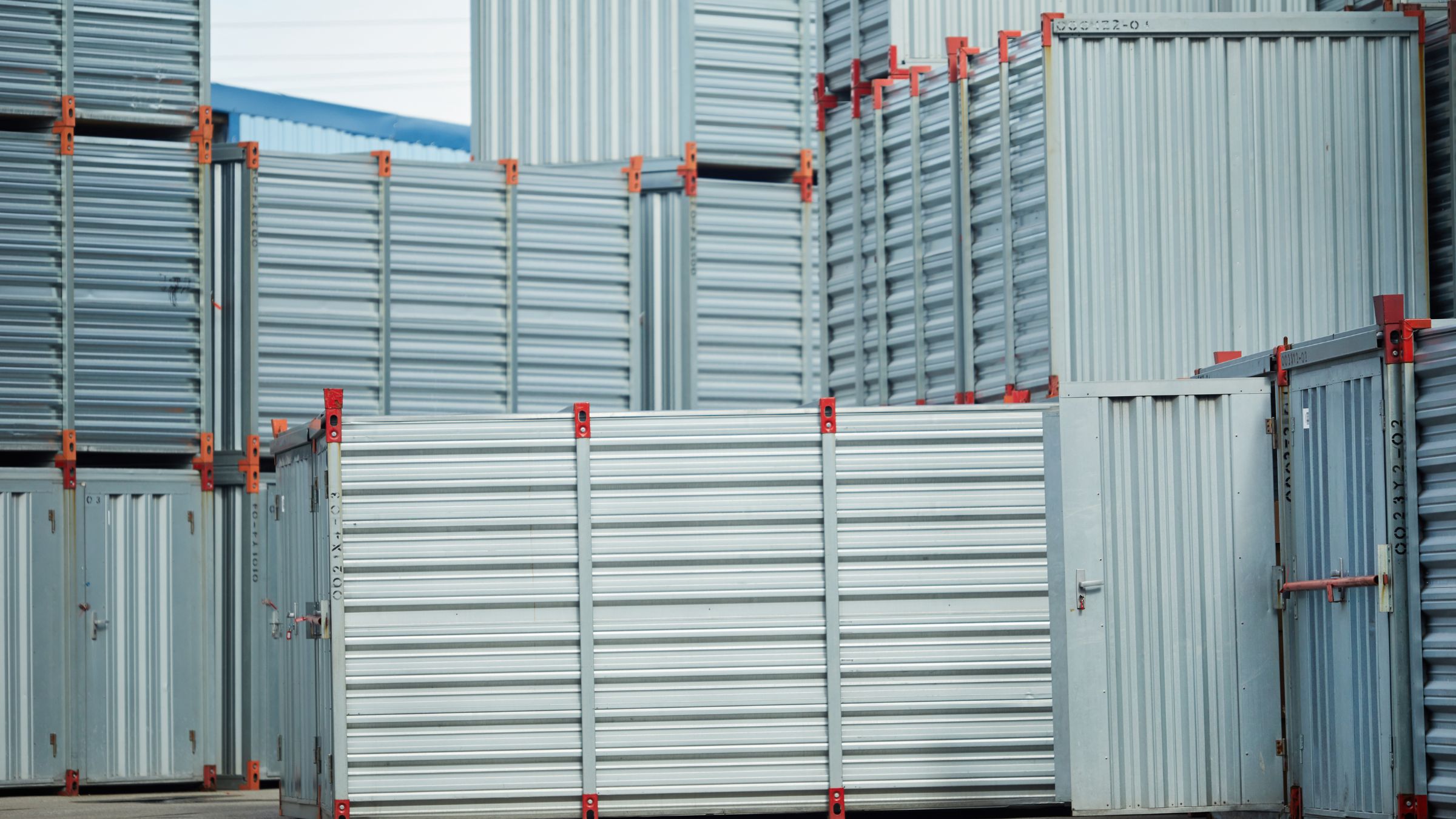
In heavy manufacturing, container material affects safety, lifespan, and cost control. Containers are exposed to weight, impact, heat, and constant movement. Materials that perform well in light-duty settings often fail when placed under industrial stress, which is why steel remains the preferred choice across demanding production environments.
Here are the main reasons corrugated steel has become the standard material for industrial material handling containers:
Limitations of Plastic and Wood Containers
Plastic and wood containers are common in light assembly and distribution settings, but their limits become clear in heavy industry. These materials struggle to hold shape and strength when exposed to repeated loading and harsh conditions.
Here are the common issues associated with plastic and wood containers:
Load tolerance: Plastic can crack under point loads, and wood can split or crush under concentrated weight from metal parts.
Heat resistance: Plastic softens when exposed to hot components, and wood can scorch or degrade when used near heat sources.
Wear over time: Wood absorbs oil and moisture, while plastic fatigues after repeated use, leading to sudden failures.
Cleanliness concerns: Wood fibers, splinters, and absorbed contaminants create problems in operations where part cleanliness matters.
Advantages of Corrugated Steel Containers
Corrugated steel containers are built to handle the realities of heavy industrial handling, including dense loads, impact, and high-temperature exposure. Corrugations add strength without excessive weight, allowing containers to carry heavy loads while maintaining stability during movement and stacking.
Here are the key reasons steel containers are widely used in heavy industrial operations:
Strength from corrugation: Folded steel panels distribute loads across the container walls, reducing the risk of bowing or collapse.
Resistance to heat and impact: Steel holds its shape under high temperatures and absorbs impact from dropped or shifted parts.
Stable stacking: Steel containers use engineered legs and corners that align precisely, supporting tall stacks without shifting.
Long service life: Steel containers withstand years of repeated use and can be repaired when damaged, extending their usable life.
End-of-life value: When retired, steel containers retain scrap value rather than becoming disposal waste.
With steel established as the preferred material, the next step is understanding the common container designs used on the plant floor.
8 Main Types of Material Handling Containers Used in Industry
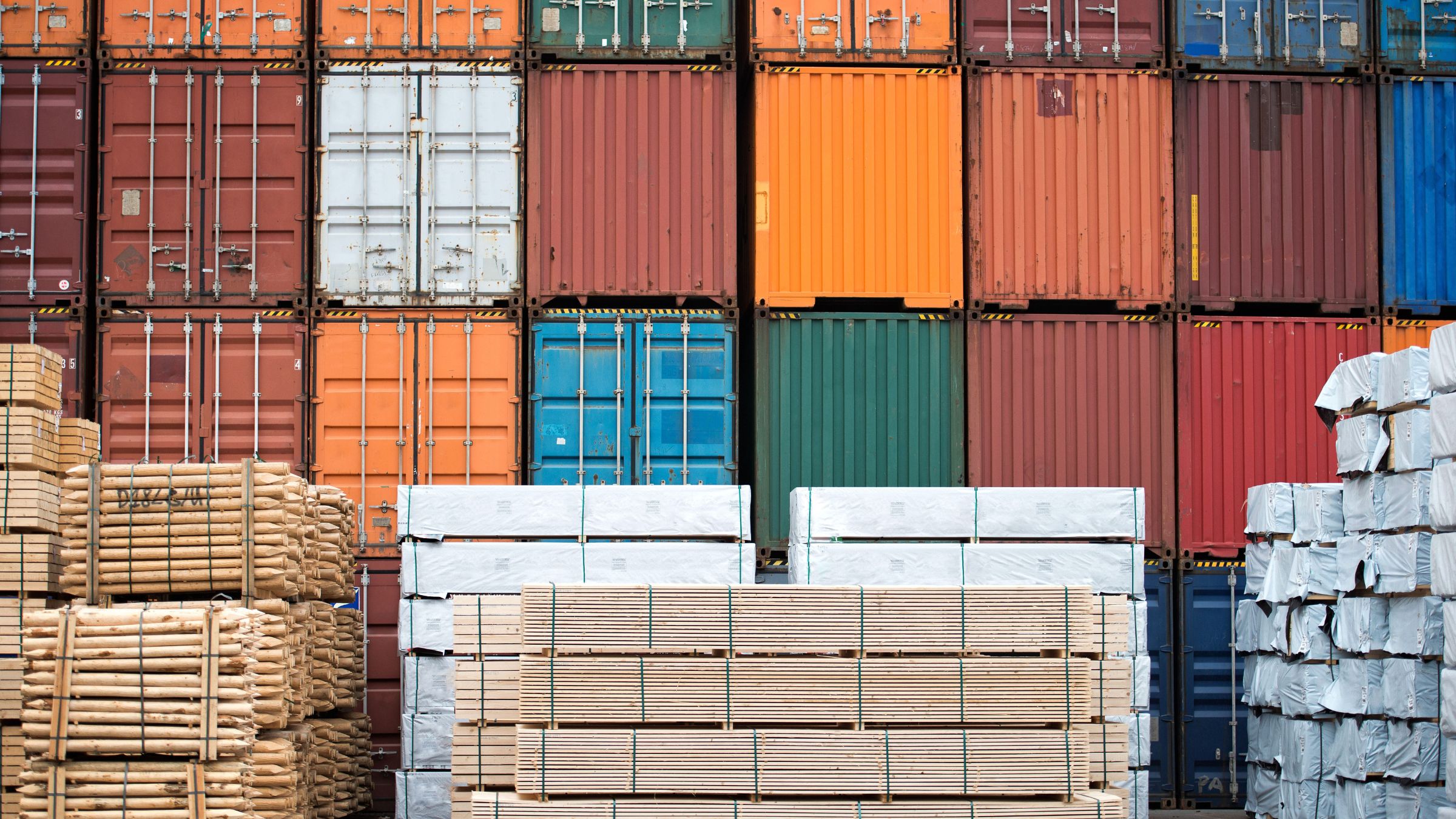
Industrial manufacturing relies on container designs that match specific tasks on the floor. Different stages of production place different demands on how parts are stored, moved, and discharged. Steel containers are built in a range of forms to support these needs without creating handling or safety problems.
Here are the main types of material handling containers used across heavy industrial operations:
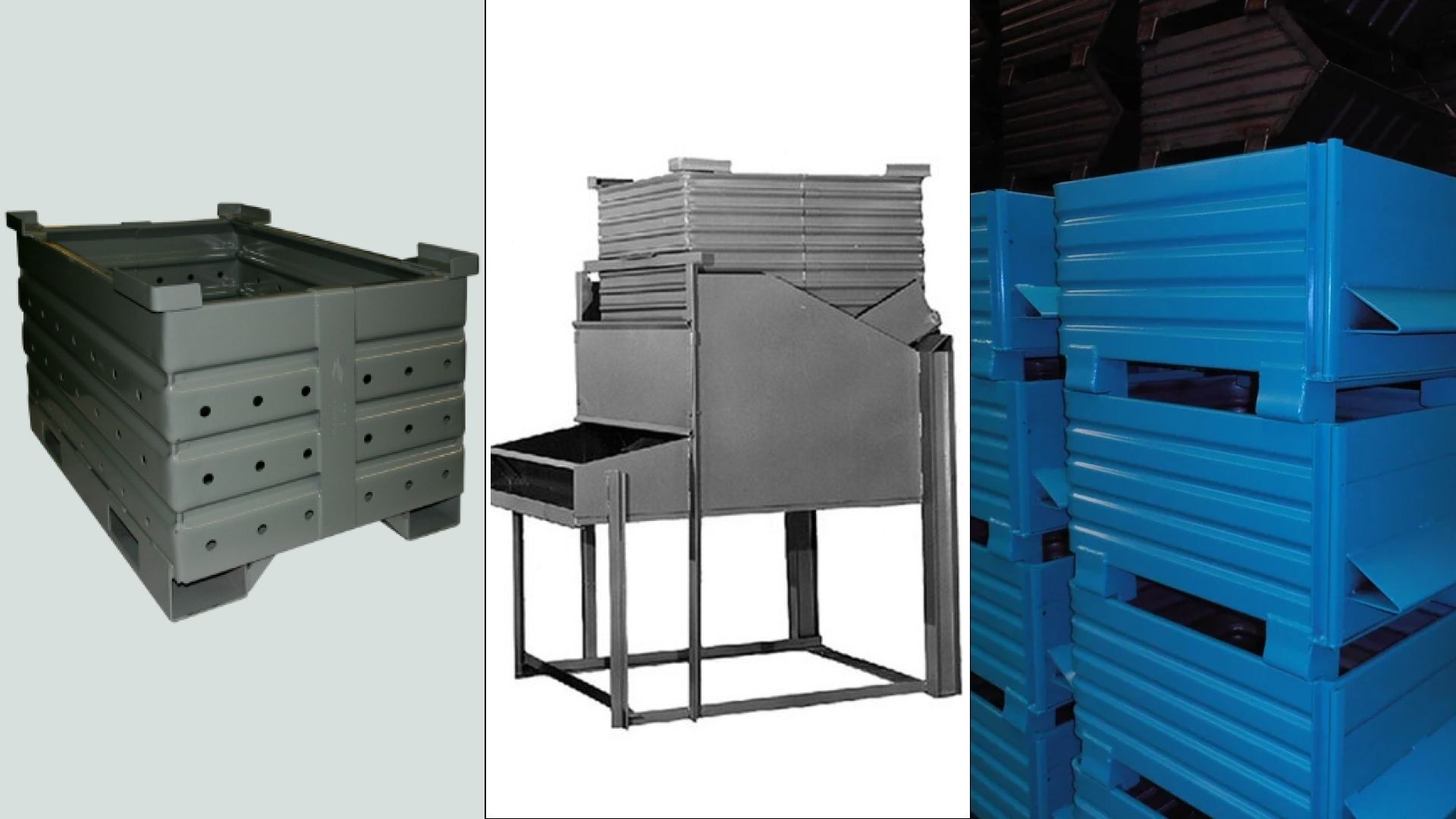
Standard corrugated steel containers serve as general-purpose units for storage and transport. They are built as four-sided boxes with offset stacking legs that support repeated handling by forklifts.
Here are the defining characteristics of standard corrugated containers:
General use design: Suitable for storage, work-in-process movement, and shipping cold or finished parts.
Four-way forklift entry: Offset legs allow forklifts to approach from any side, supporting flexible movement in tight aisles.
Stable stacking: Stacking legs align with the container below, forming a secure vertical column during storage.
Hot and heavy containers are designed for conditions that exceed the limits of standard steel containers. These units are built to handle extreme weight and high temperatures common in foundries and forging operations.
Here are the key characteristics of hot and heavy containers:
Heavy-duty construction: Thicker steel and reinforced corners resist deformation from impact and weight.
Heat tolerance: Designed to hold parts soon after casting or forging without warping.
High stacking capacity: Engineered to support taller stacks while carrying dense metal loads.
Gravity-fed containers support workflows where parts need to move forward without manual lifting. A sloped base and discharge opening guide parts toward the front when placed on a stand.
Here are the main traits of gravity-fed containers:
Improved part access: Parts move toward the operator instead of requiring deep reaching.
Reduced manual handling: Less bending and lifting during high-volume tasks.
Consistent flow: Supports steady part delivery during assembly and machine feeding.
Smooth-sided containers address contamination concerns in operations handling small components. These containers eliminate internal ridges where parts can become trapped.
Here are the defining features of smooth-sided containers:
Flat interior surfaces: Smooth walls and bottoms prevent parts from lodging inside the container.
Welded seams: Continuous joints reduce gaps that could hold stray pieces.
Quality control support: Helps prevent part mixing between batches.
Drop bottom containers are designed for fast unloading without tipping. A hinged floor opens when activated by a stand or attachment.
Here are the key aspects of drop-bottom containers:
Controlled discharge: Contents are released straight down into hoppers or stations.
Time savings: Entire loads empty in seconds rather than through manual dumping.
Safer unloading: Reduces the need for forklift rotation during discharge.
Roll-over containers are built for operations that rely on rotary forklift attachments. Their structure supports full rotation while loaded.
Here are the main characteristics of roll-over containers:
Reinforced fork channels: Fork pockets support rotation without slipping.
Secure dumping: Designed for controlled emptying during 180-degree rotation.
High-volume handling: Suitable for scrap, chips, and bulk waste.
Platform boxes are steel platforms with little or no side walls. They are used when parts do not fit within standard box dimensions.
Here are the core features of platform boxes:
Open access: Parts can be loaded and unloaded from all sides.
Heavy load support: Built to carry dies, fixtures, and large sub-assemblies.
Flexible handling: Can be moved by forklifts or cranes, depending on configuration.
Tapered nose boxes feature an open front with angled sides. This shape supports visibility and access even when containers are stacked.
Here are the defining traits of tapered nose boxes:
Front access opening: Operators can reach parts without unstacking.
Clear visibility: Contents remain visible during picking and staging.
Stackable design: Maintains space savings while allowing access.
Some parts and workflows fall outside standard container designs. Custom steel containers are built around specific handling and storage needs.
Here are common customization options:
Size and geometry changes: Dimensions adjusted to match part size and process flow.
Special access features: Gates, dividers, or openings added for controlled handling.
Handling compatibility: Underclearance and lift points designed to match forklifts, cranes, or guided vehicles.
With these container types defined, matching them to real production uses helps reduce guesswork during selection.
If you are unsure which container design meets your handling needs, connect with a steel container manufacturer to confirm which container design best fits your handling requirements.
Matching Container Types to Common Industrial Tasks
Different production tasks place different demands on containers. A design that works well in one area of a plant may create problems in another. Matching the container type to the application helps reduce handling risk, improves access to parts, and supports safer storage across the operation.
Here are common industrial applications and the container types best suited for each:
Industrial Application | Recommended Container Type | Why It Fits the Application |
Hot castings and forgings | Hot and heavy containers | Built to handle high temperatures, impact, and dense metal loads without warping |
Fasteners and small parts | Smooth-sided containers | Flat interiors prevent parts from hiding and mixing between batches |
Assembly line feeding | Gravity-fed containers | Parts move toward the operator, reducing bending and repeated reaching |
Work-in-process storage | Standard corrugated containers | Support stacking and four-way forklift entry for flexible movement |
Scrap and bulk waste | Roll-over containers | Designed for secure dumping with rotary forklift attachments |
Hopper and station loading | Drop bottom containers | Allow controlled discharge without tipping the container |
Large dies and assemblies | Platform boxes | Open design supports oversized or irregular loads |
Order picking and staging | Tapered nose boxes | The open front allows access while the containers remain stacked |
Once applications are clear, selecting the right container depends on evaluating your specific parts, handling methods, and storage needs.
How to Choose the Right Material Handling Container
Choosing a container requires more than matching a size or capacity. Each decision affects safety, handling, storage, and part control on the floor. The right container supports the work being done without creating extra strain or risk during daily use.
Here are the main factors to review when selecting a material handling container for industrial operations:
Load weight and density: Know the true weight of the parts being handled, not just the volume. Dense metal parts place far more stress on container walls, floors, and stacking legs during lifting and transport.
Temperature exposure: Consider whether parts enter the container while hot. Containers used in foundries or forging areas must tolerate heat without bending, cracking, or weakening over time.
Part size and cleanliness needs: Small components require interiors that prevent parts from lodging in seams or corners. Smooth internal surfaces support better lot control and reduce part mixing.
Handling method: Identify how the container will be moved. Forklifts, cranes, and rotary attachments each place different demands on leg design, fork pockets, and lifting points.
Stacking height and space limits: Storage plans should account for how many containers will be stacked and how stable those stacks must remain during normal plant vibration and movement.
Discharge and access requirements: Determine whether parts need to be scooped out, fed forward, or released from the bottom. The discharge method should match the task to reduce manual handling.
Standard versus custom needs: Standard container sizes meet many requirements, but unusual part shapes or workflows may call for modified dimensions, access points, or support features.
Individual container choices matter, but consistency across containers becomes just as important when materials move between departments or facilities.
How Container Standardization Supports Material Flow
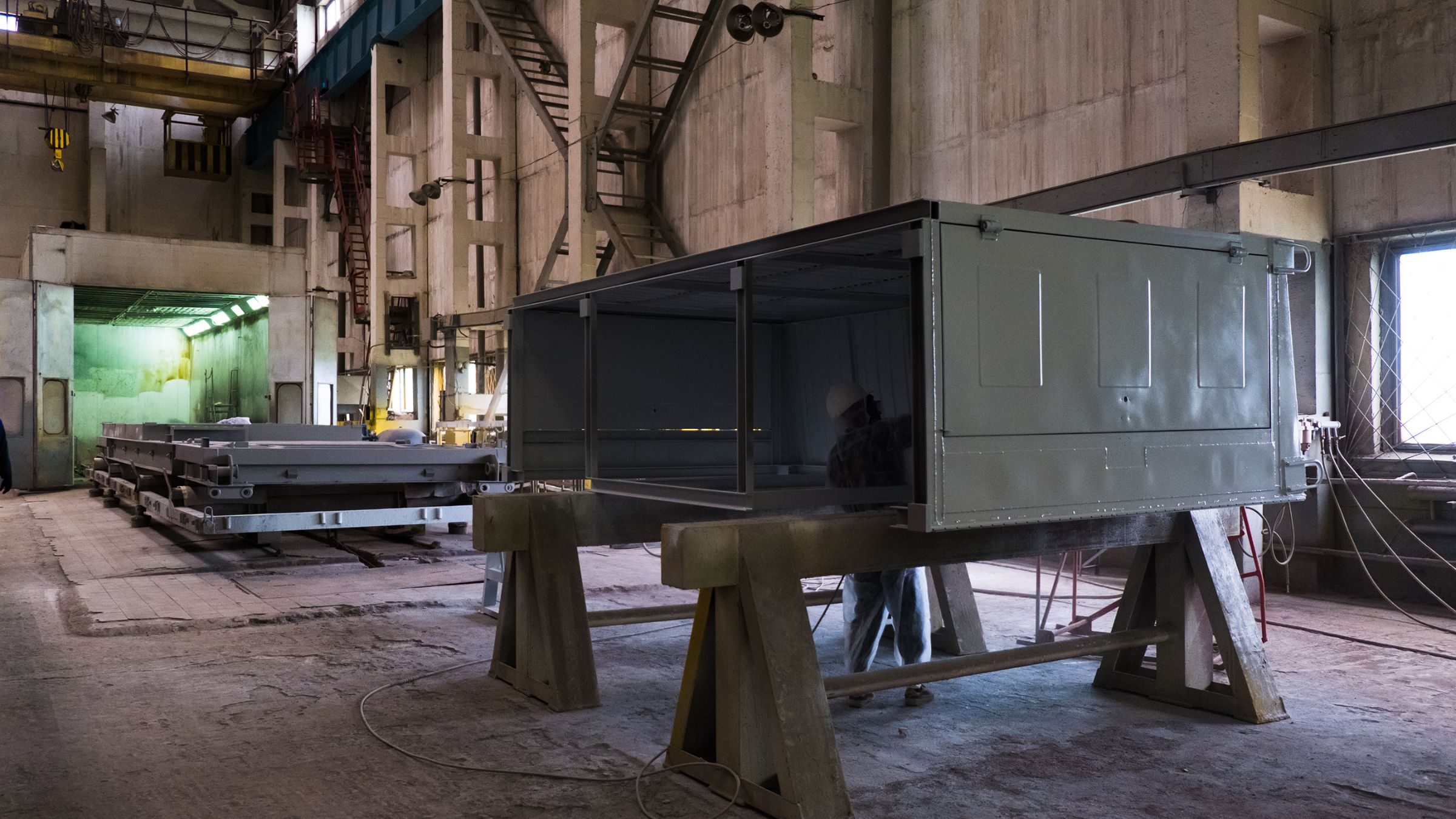
As parts move between plants, suppliers, and customers, consistency becomes critical. When containers vary in size or handling features, problems appear during transport, storage, and handoff between facilities. Standardized container designs reduce uncertainty and help keep material flow predictable across the supply chain.
Here are the main ways standardization supports industrial supply chains:
Improved transport loading: Standard container footprints allow trailers to be loaded evenly, reducing wasted space and unstable stacks during transit.
Safer stacking across locations: Consistent leg placement and container geometry support stable stacking, even when containers move between different facilities.
Simpler material planning: Known container sizes make it easier to plan buffer storage, line-side inventory, and warehouse layout.
Better handling consistency: Forklifts and lifting equipment can engage containers the same way at every location, reducing handling errors.
Support for automation: Automated handling systems rely on predictable container dimensions and clear access points to function reliably.
Easier fleet management: Standard containers simplify tracking, replacement planning, and long-term maintenance across multiple sites.
Standardization affects more than handling consistency and also influences long-term cost through replacement cycles, maintenance, and downtime risk.
Total Cost of Ownership: Why Steel Containers Deliver Long-Term Value
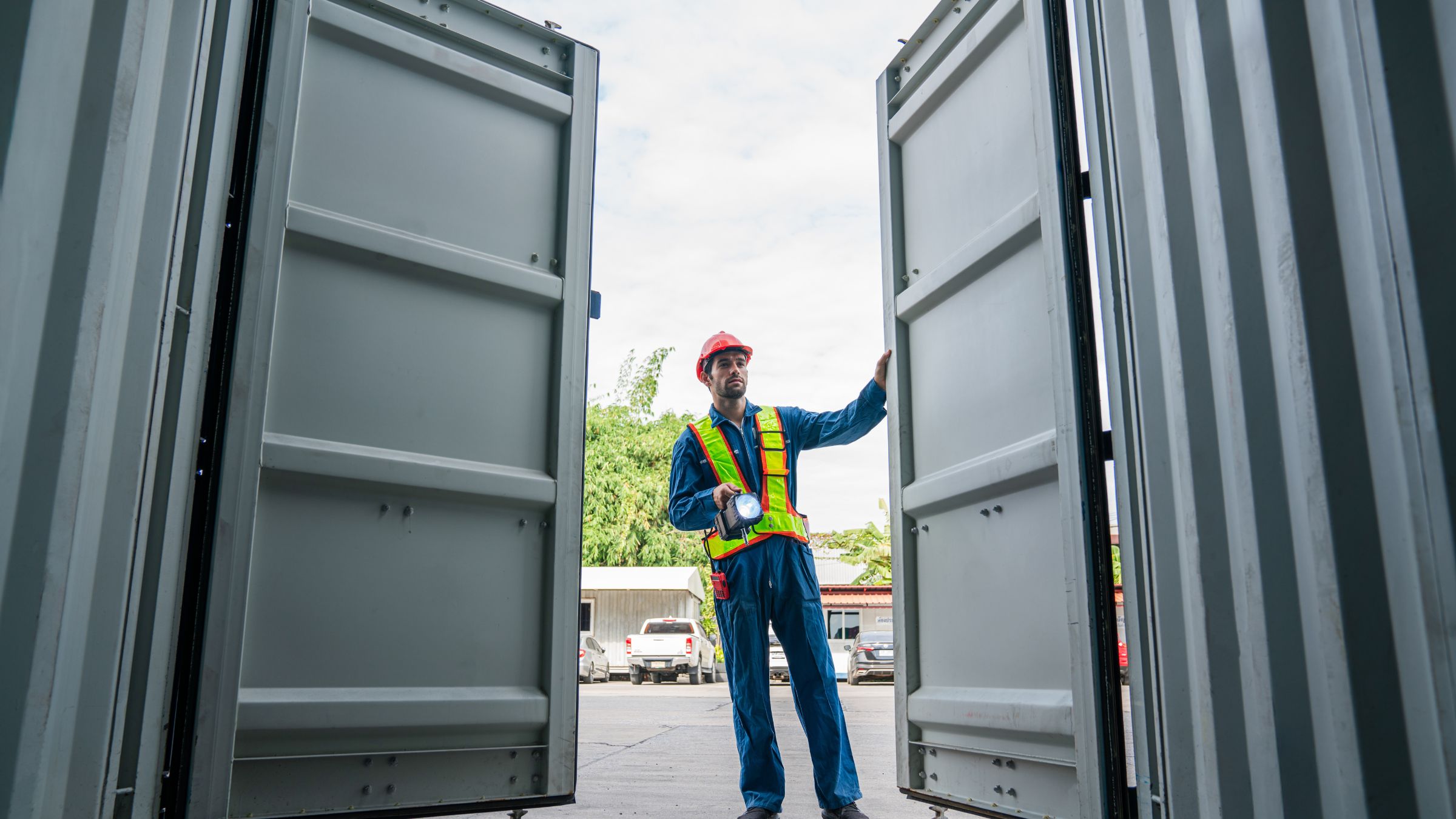
Purchase price alone does not show the true cost of a container. In heavy industrial use, replacement frequency, downtime, and repair all affect long-term spending. Steel containers are often chosen because their service life and recoverable value offset the higher upfront cost.
Here are the main cost factors that influence total ownership value for steel containers:
Extended service life: Steel containers withstand repeated loading, impact, and handling over many years without losing structural integrity.
Lower replacement rates: Containers that resist bending and cracking reduce the need for frequent replacements compared to lighter materials.
Repair capability: Bent legs, damaged rims, or worn panels can often be repaired, returning the container to service rather than discarding it.
Reduced downtime risk: Strong container construction lowers the chance of collapse or failure that could interrupt production or cause cleanup delays.
Residual scrap value: At the end of service life, steel containers retain metal value instead of becoming disposal waste.
Understanding ownership value highlights why supplier knowledge and container specialization matter in demanding industrial environments.
Where Powell Systems Fits Into Modern Material Handling
After reviewing container types, applications, and selection factors, it becomes clear that experience and specialization matter when sourcing industrial containers. Manufacturers often need support that goes beyond standard dimensions, especially when handling heat, weight, or strict part control requirements.
Here are the ways Powell Systems Inc fits into modern material handling needs:
Longstanding industry experience: With roots dating back over a century, the company brings deep familiarity with foundries, automotive suppliers, and metalworking operations across the Midwest.
Focus on corrugated steel containers: Product offerings center on steel container designs built for weight, heat, and repeated handling rather than light-duty applications.
Broad container portfolio: A wide range of container types supports storage, assembly feeding, controlled discharge, scrap handling, and oversized loads within a single product family.
Support for demanding applications: Container designs address challenges such as hot castings, contamination control for small parts, and high stacking requirements.
Custom build capability: When standard containers do not meet process needs, designs can be adjusted for size, access points, discharge methods, or handling equipment.
Midwest manufacturing presence: Local production supports direct collaboration on container design and application requirements common to regional heavy industry.
To explore container options for your operation or discuss a custom requirement, you can request a quote directly or speak with a steel container manufacturer about your application. A short conversation upfront can help confirm the right design before committing to production quantities.
Conclusion
Material handling container types play a direct role in how safely and consistently work gets done on the plant floor. The right container supports load control, protects part quality, reduces handling strain, and helps make better use of available space. When containers are matched to weight, heat, access, and stacking needs, problems are easier to prevent before they reach production or shipping.
If you are reviewing container options or facing limits with your current setup, now is a good time to reassess what fits your operation.
Contact Powell Systems to request a quote or discuss standard or custom steel container solutions built for heavy industrial use.
FAQs
Can I stack new containers with my existing bins from other manufacturers?
Yes. New containers can be built to match existing footprints, leg styles, and stacking geometry if accurate dimensions are provided. This allows new units to work alongside older containers without retiring usable inventory.
What role does container color play in industrial settings?
Color is often used for visual identification rather than appearance. Different colors can mark part families, production stages, or ownership between plants, helping reduce handling errors on busy floors.
Are steel containers suitable for outdoor storage?
Steel containers can be used outdoors when finished with appropriate coatings. Painted surfaces should be inspected regularly, and galvanizing is often selected for environments with frequent moisture exposure.
How can container contents be identified without adhesive labels?
Welded card holders or placards allow paper tickets to be inserted and removed for each batch. Stenciling the tare weight or part information directly onto the container is another long-lasting identification method.
What routine maintenance do steel containers require?
The most critical areas to inspect are stacking legs and top rim corners. Bent legs or damaged rims reduce stack stability and increase safety risk. Containers with structural damage should be repaired before reuse.