Walking the shop floor, you see the same issues every day: cracked bins, unstable stacks, and containers that fail when production can least afford it. You are responsible for keeping parts moving safely from receiving to assembly, yet the containers meant to support that flow often create extra risk, downtime, and stress.
The cost of these failures goes beyond inconvenience. U.S. manufacturing loses about $8.32 billion each year to serious, non-fatal workplace injuries, with overexertion while handling objects responsible for $1.80 billion of that total. When containers break, tip, or require awkward handling, safety and output both suffer.
This article explains how container management impacts safety and production in automotive manufacturing, outlines common handling challenges, and highlights best practices for selecting steel containers used in demanding plant environments.
Key Takeaways:
Container management affects safety, part condition, and daily production flow in automotive plants.
Heavy-duty steel containers are required for hot castings, forgings, and dense stampings.
Smooth-sided container designs help prevent fastener mix-ups and batch contamination.
Stackable containers with four-way entry support safer storage and consistent handling.
Matching container design to part and process reduces downtime and repeat handling issues.
What Is Container Management in Automotive Manufacturing?
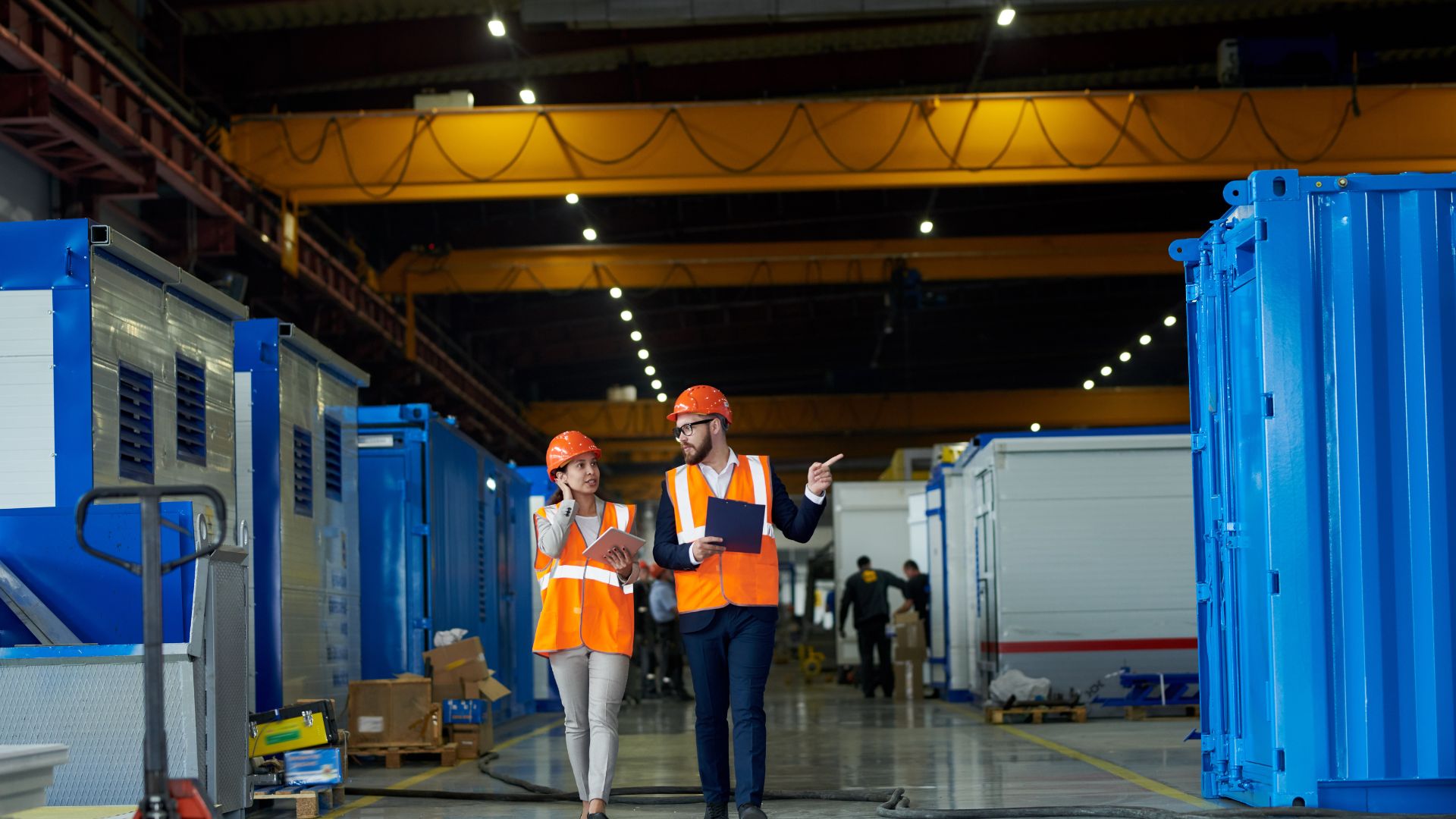
Container management in automotive manufacturing refers to the selection, use, and control of physical steel containers that hold, protect, and move parts through production. These containers support everything from raw material handling to in-process storage and assembly feeding, with a direct impact on safety, part quality, and production flow.
Role in In-Plant Logistics
Within an automotive plant, containers connect each stage of production. When chosen correctly, they support consistent movement of parts without added handling or risk. Here are the key roles containers play inside the plant:
Material transfer: Containers move parts between operations such as casting, machining, and assembly without repacking.
Part protection: Enclosed or smooth-sided designs help prevent damage and contamination during handling.
Workstation supply: Gravity-fed and drop-bottom steel containers place parts within safe reach for operators, reducing bending and repeated manual handling during assembly and machining.
Space control: Stackable designs help manage floor space while keeping loads stable and secure.
Handling compatibility: Containers are built to work with forklifts, lift trucks, and workstations already in use.
With a clear definition in place, it becomes easier to see why container management carries serious operational consequences.
Why Container Management Matters for Automotive & Metalworking Plants
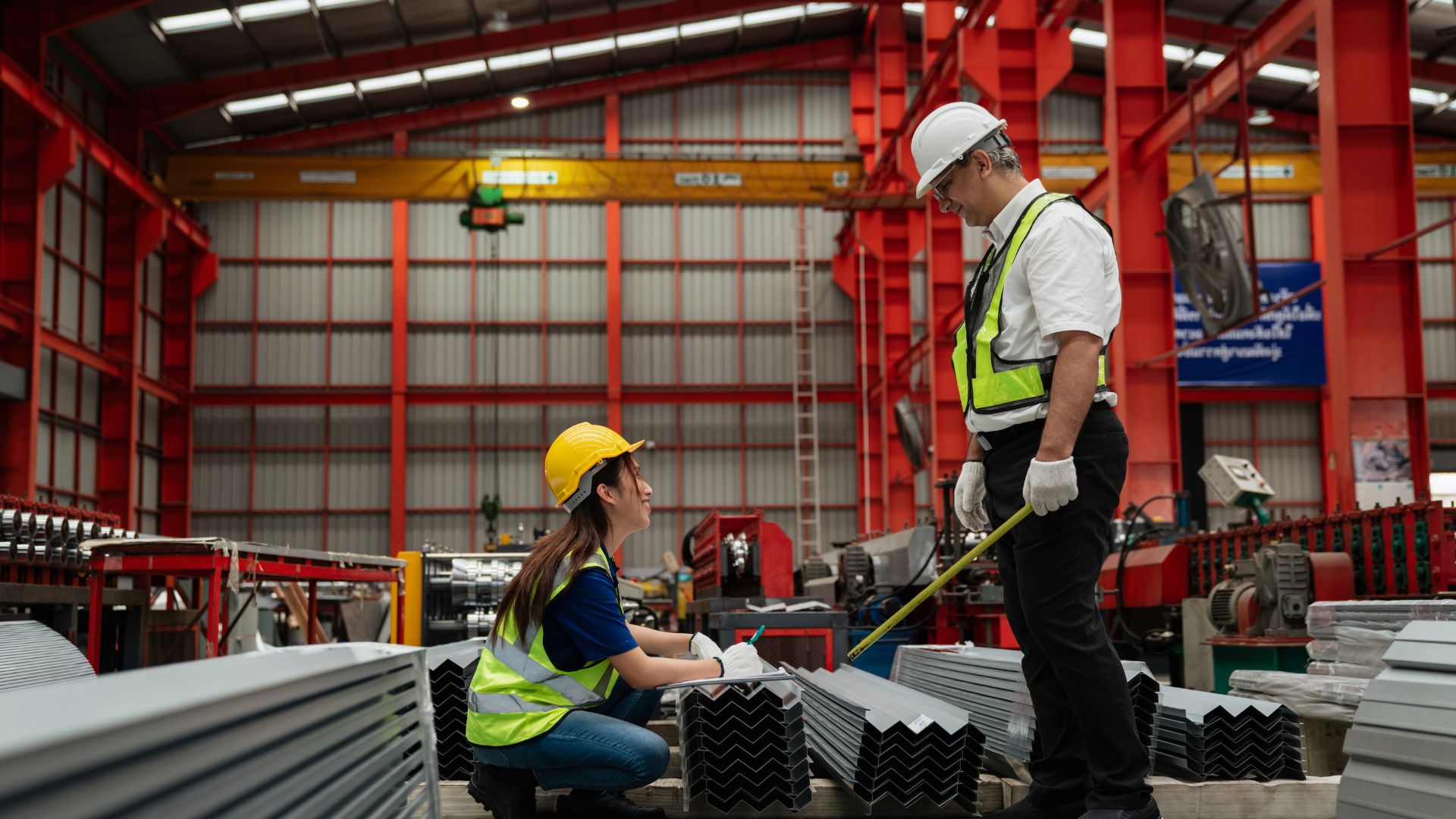
In automotive and metalworking plants, containers are exposed to extreme weight, heat, and constant handling. When containers are not designed for these conditions, they become a source of risk rather than support. The impact shows up quickly in safety incidents, part quality issues, and wasted floor space. Here are the key reasons container management matters:
Safety under load: Heavy-duty steel containers maintain structural strength when handling hot castings, forgings, and oversized parts, reducing the risk of buckling, spills, and crush hazards.
Part quality and contamination control: Smooth-sided, enclosed container designs help prevent small fasteners and stampings from lodging in corners or mixing between batches, lowering the risk of rejects and recalls.
Space and material flow: Securely stackable containers allow vertical storage, helping plants make better use of limited floor space. Four-way entry designs support consistent forklift access without unstable repositioning.
Production reliability: Containers built for repeated handling reduce failures that lead to blocked feeders, line stoppages, and unplanned downtime.
Cost exposure: Fewer container breakdowns mean lower replacement costs, less rework, and fewer safety-related disruptions.
These priorities often break down in predictable ways, leading to recurring container issues across shifts and departments.
Common Container Management Challenges in Automotive Manufacturing
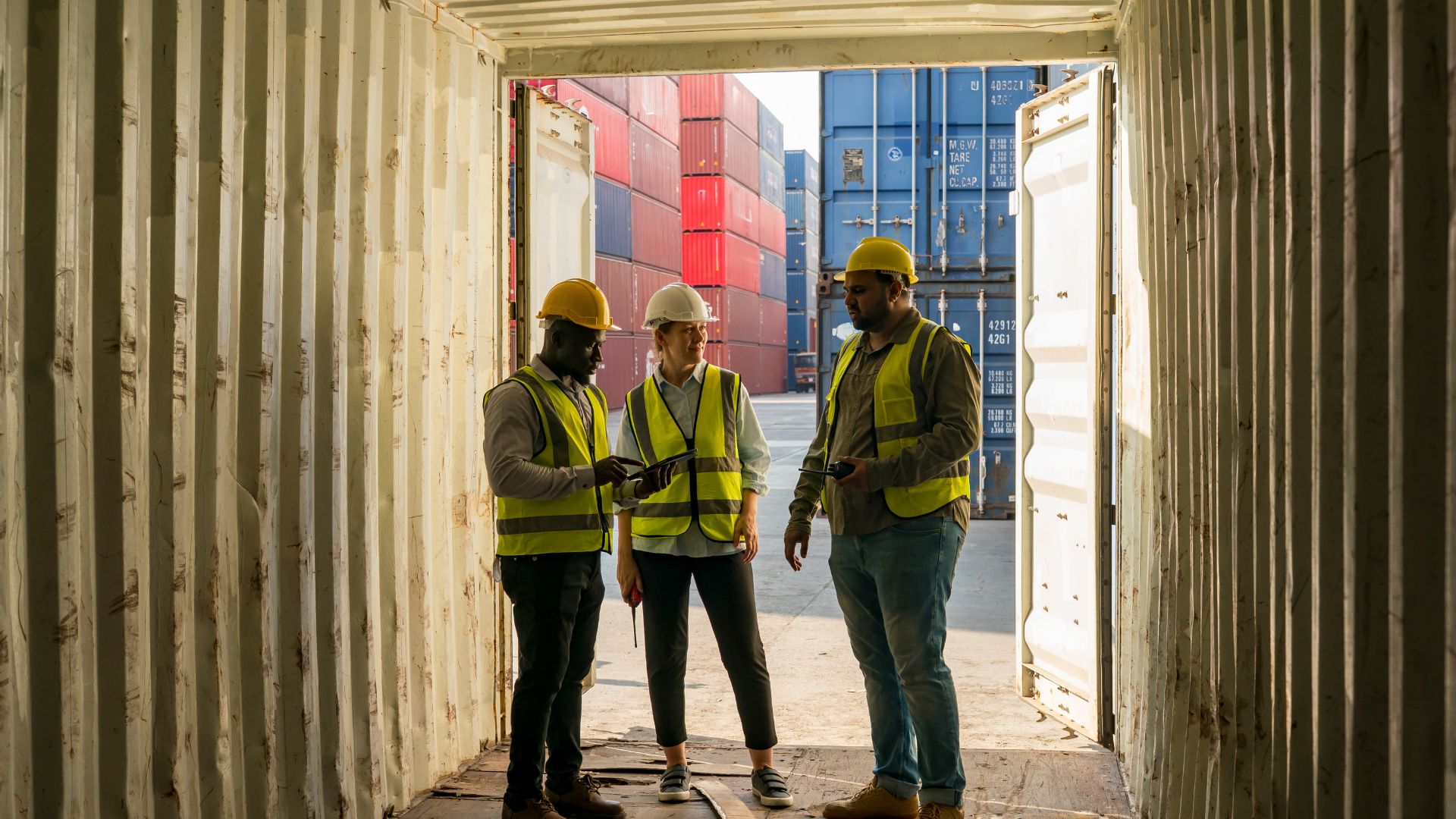
Automotive plants place constant demands on containers through heat, weight, and repeated handling. When containers are not built for these conditions, the same problems surface across shifts and work areas. Here are the most common container management challenges:
Hot and heavy part handling: Castings and forgings can warp standard containers, leading to unstable stacks and a higher risk when moving or storing loads.
Small-part contamination: Standard bins often include internal ledges or corners where fasteners can hide, then fall into later batches and cause mix-ups.
Manual handling bottlenecks: Deep or poorly designed containers force operators to bend and reach, slowing takt time and increasing physical strain.
Inconsistent stacking: Containers without defined stacking features can shift or lean, limiting safe vertical storage.
Lack of standardization: A mix of wooden crates, plastic tubs, and mismatched steel bins prevents uniform stacking and undermines safe, repeatable material handling across the plant.
These challenges push manufacturers to adopt structured methods for selecting and managing containers more consistently.
How Automotive Manufacturers Implement Effective Container Management
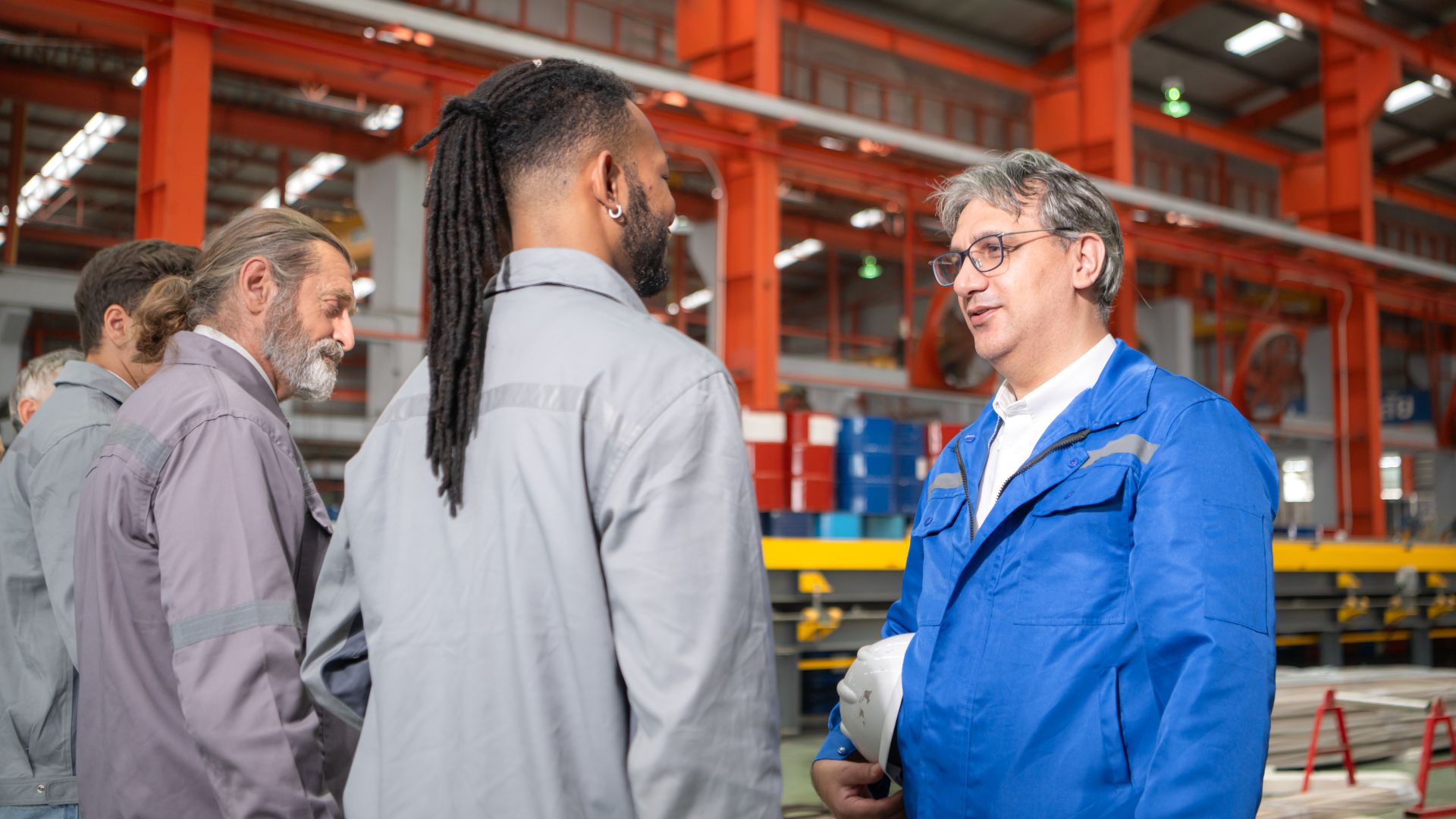
Effective container management starts with understanding how parts move through the plant and where containers support or hinder that flow. Manufacturers that address container issues early focus on fit, handling, and long-term use rather than treating containers as simple storage. Here are the core steps they follow:
Matching container type to part and process: Plants review part weight, temperature, size, and access needs to select containers suited for castings, forgings, fasteners, or in-process flow.
Supporting existing handling equipment: Containers are chosen to work with current forklifts, lift trucks, and workstations, including features such as four-way entry, controlled dumping, or gravity feeding.
Reducing manual handling at stations: Container designs place parts within safe reach, helping limit bending, lifting, and awkward access during loading and unloading.
Planning for repeatable use: Standard container sizes and features allow consistent stacking and handling across lines and shifts.
Working with experienced partners: Many plants work with experienced steel container manufacturers to review part flow and specify standard or custom containers that fit specific production requirements.
With methods in mind, the next step is identifying which steel containers fit each part and handling requirement.
Types of Steel Containers Used in Automotive Manufacturing
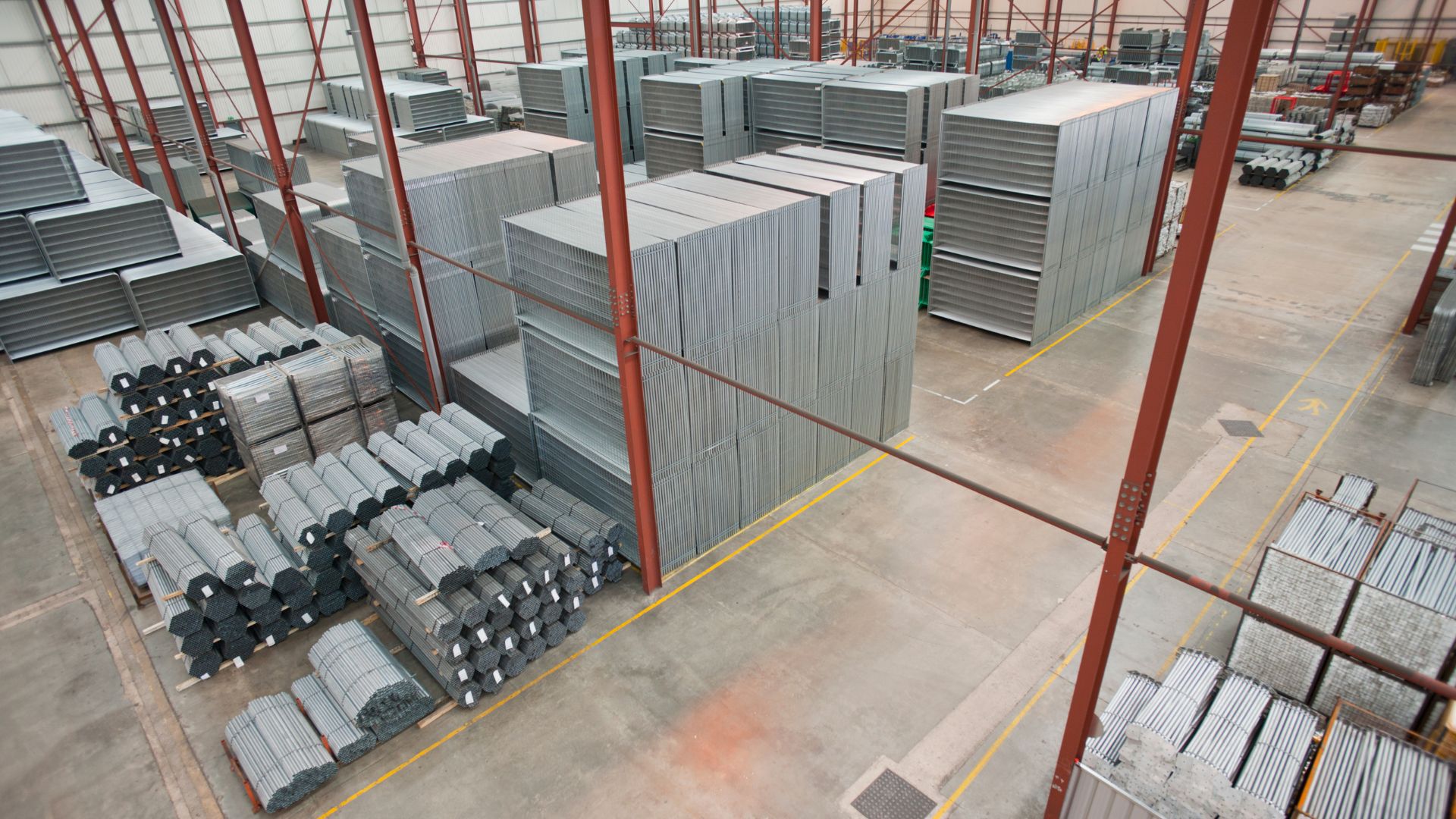
Automotive plants rely on different steel container designs to support specific parts, handling methods, and production stages. Choosing the right container type helps protect parts, support safe handling, and maintain steady material flow across the shop floor. Here are the most common steel containers used in automotive manufacturing and where each fits best:
Heavy-duty containers for castings and forgings: Built from extra-heavy-gauge corrugated steel to handle hot, dense parts
Gravity-feed containers: Angled designs present parts toward the operator, reducing the need to reach into deep bins during assembly or machining.
Smooth-sided fastener containers: Smooth interior walls prevent nuts, bolts, and washers from catching in corners or seams, helping ensure complete cleanout.
Drop-bottom containers: Bottom-release designs allow controlled discharge onto stands or conveyors without manual dumping.
Roll-over containers: Containers designed for forklift rotary heads allow loads to be rotated and emptied in a controlled manner.
Platform boxes and skids: Flat steel platforms support large or irregular components such as engine blocks and housings.
Tapered nose boxes: Tapered ends allow closer nesting and better use of trailer or floor space.
Custom container solutions: Custom-built containers address unique weight, access, or space requirements when standard options fall short.
With container types clearly defined, attention often turns to manufacturers known for building steel containers that hold up under automotive production demands.
Not sure which container fits your parts? A short review of part weight, temperature, and handling method can quickly highlight where standard containers fall short.
Talk with a steel container manufacturer to review your part weight, temperature, and handling requirements.
Why Automotive Manufacturers Choose Powell Systems Inc. (PSI)
Automotive and metalworking plants select Powell Systems because its containers are built around real shop floor demands: heat, weight, access, and repeat handling. The focus stays on durable steel designs, broad product coverage, and the ability to adapt containers to specific parts and processes.
Here are the main reasons manufacturers continue to work with Powell Systems:
Heavy-duty specialization: Extra-heavy-gauge corrugated steel containers are built for hot castings, forgings, and dense stampings that damage lighter bins.
Broad container portfolio: Standard, gravity-feed, smooth-sided, drop-bottom, roll-over, platform, tapered nose, and hot-and-heavy containers support many automotive use cases.
Contamination-focused designs: Smooth-sided fastener containers are built without internal trap points to support complete cleanout between batches.
Gravity-fed part access: Gravity-feed container designs place parts within easy reach to reduce bending and repeated handling at workstations.
Customization capability: Container dimensions, steel thickness, entry style, dumping features, and access points can be adjusted to match part geometry and handling needs.
Long-term manufacturing experience: Over a century of steel container design and production supports consistent performance across shifts, lines, and facilities.
If your operation is dealing with heavy parts, tight floor space, or recurring container failures, a purpose-built steel container can make a measurable difference. Request a quote to discuss your part requirements and see how a container designed for your process can support safer, more consistent handling.
Conclusion
Container management plays a direct role in safety, part quality, and production flow across automotive and metalworking plants. When containers are matched to part weight, heat, and handling needs, issues such as spills, contamination, and downtime occur far less often.
Contact Powell Systems to review your part requirements and request a quote for steel containers engineered to handle heat, heavy loads, and repeated handling in automotive production.
If you’re evaluating your current container setup or planning changes on the shop floor, contact us today to discuss your application and request a quote for steel containers built to match your production requirements.
FAQs
Can corrugated steel containers be repaired if they are damaged?
Yes. Steel containers can often be repaired by straightening bent stacking legs, replacing worn components, or re-welding lift points. This extends service life and reduces replacement frequency compared to disposable container types.
What is the best way to label containers in oily or dirty plant conditions?
In environments with lubricants or residue, adhesive labels tend to fail. More reliable options include welded card holders, stenciled identification numbers, or riveted barcode and RFID plates designed to withstand heat and solvents.
Will new steel containers stack safely with an existing container fleet?
Not always. Stacking legs and target lugs can differ between manufacturers, even when container sizes appear similar. Providing drawings or a sample container helps confirm compatibility before placing an order.
How are load and stacking ratings defined for steel containers?
Container ratings usually separate internal load capacity from stacking capacity. A container may safely hold a certain weight but support fewer fully loaded units stacked above it. Both ratings should be reviewed for safe use.
What happens to steel containers at the end of their service life?
Steel containers are fully recyclable. When a unit can no longer be repaired, it can be sold as scrap metal rather than discarded, helping recover some value instead of creating disposal costs.